
How Millennials are shaping the future of hospitality: a closer look
※筆者:旅館業客群的分類或市場不光只有以地區與國家、休閒與商務、國內與國外做區分,目前國外從精品旅館至各大國際連鎖酒店集團早已著手針對千禧世代客層進行相關的革新服務,力求在這大趨勢與挑戰中不至於被淘汰或揚棄,畢竟世代持續不斷地更替,而生意不能只做幾年而已,趕緊正視這個世代課題,才是正確之道。2016年4月13日及14日於英國倫敦所首屆舉辦的「千禧世代高峰會 (Millennial 20/20 Summit)」 有超過3000家全球零售業者、新創公司、各產業品牌、企業等共同探討與分享千禧世代的消費特質與因應之道,突顯千禧世代影響現今及未來全球經濟的重要性。
千禧世代(大部份定義於出生在1980至2000年之間的人)旅行者已超過全球旅館住宿人數的三分之一,預估在2020年以前更將超過半數(世代逐漸交替)。正當旅遊與酒店產業為數十年來最大的市場亂局而準備之際,為了要能夠吸引千禧世代旅行者,幾個關鍵字如「設計」、「體驗」、「行動通訊」、「(顧客)感知價值」是相當重要的。從未有任何世代如千禧世代一樣互通性強、善於數位科技及要求,並且企求在單一旅館的住宿中體驗到當代的設計、高質感的設施備品、智能科技及富有當地風格的氛圍。
Smart technology 智能科技
On-demand generation 隨選隨需世代
Smart hotel brands are integrating the right on-demand services, making them seamless for guests to access and use, whether it is quick access to prices, amenities or room service via their own branded-apps or messaging tools like WhatsApp.
具智能規劃的酒店品牌正逐步整合隨選隨需服務,並讓顧客得以順暢地接觸使用,不論是經由酒店專屬手機應用程式或者發送簡訊的程式工具(如 WhatsApp)來快速獲知價格與設施、取得客房備品或點選客房餐飲服務。
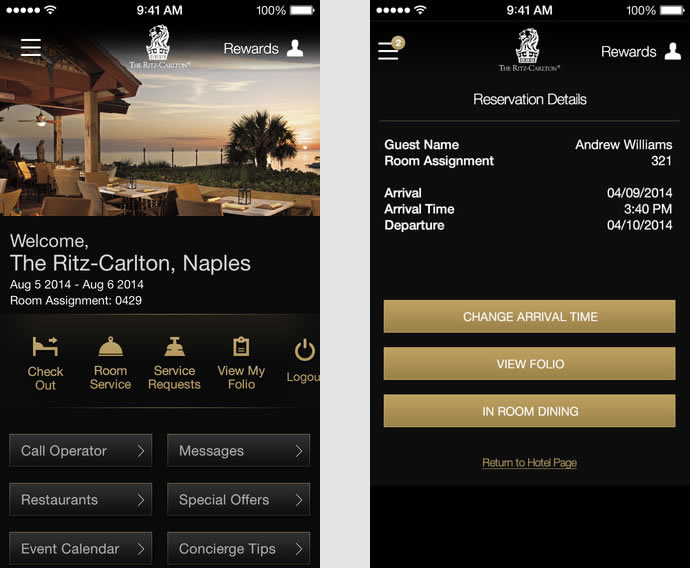
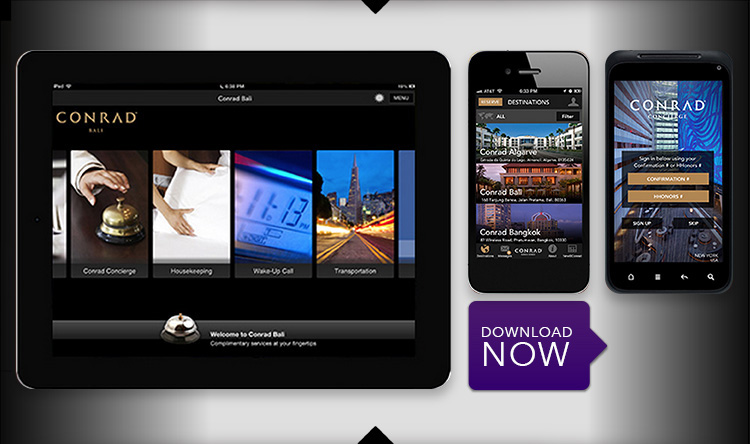
For example, the Ritz-Carlton app enables guests to order extra towels or toiletries, luggage pickup or housekeeping services directly from their mobile. While the Conrad Concierge app allows guests to choose their rooms prior to checking in and order room service during their stay. Best Western’s new Vib hotel chain even offers automated check-in and a virtual concierge service and Sheraton Frankfurt Airport hotel has even implemented WhatsApp to communicate with guests. WhatsApp enquiries include pricing information, booking enquiries, lost property enquiries, as well as travel questions. The hotel has implemented a successful five minute turnaround time to all Whatsapp enquiries.
舉例來說,麗思卡爾登酒店的專屬手機應用程式使顧客得以直接使用他們的手機來取得額外的毛巾或浴室用品,托運行李或是客房清理服務。至於港麗酒店禮賓服務的手機應用程式讓顧客在入住前能選擇自己的房間,而住宿期間也能滑滑手機就能點客房餐飲。最佳西方酒店集團旗下新品牌 Vib Hotel 甚至提供自動入住登記服務及虛擬禮賓服務,而喜來登法蘭克弗機場酒店早已運用WhatsApp與顧客直接溝通。這個 WhatsApp諮詢服務包含價格資訊、訂房訂位諮詢、遺失物查詢,旅遊相關問題也可以從中獲得解答。
The sharing economy 共享經濟
Driven by Airbnb becoming one of the world’s largest hotel groups without having to own a single hotel, traditional hotels are increasingly having to apply Sharing Economy features to the hotel experience. These features include communities, value, trust and social connections.
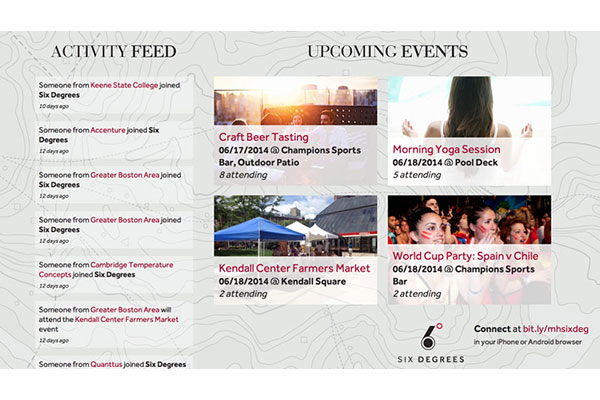
Created by MIT’s Mobile Experience Lab, Marriott Hotels launched Six Degrees, a physical social network encouraging hotel guests to engage in the physical space through an app, digital wall projection and an interactive wooden table in the lobby. The system used guests’ LinkedIn accounts to pull information on the guests, including where they work and what their interests might be. Guests could express interest in organized activities from jogging in the park to craft beer tasting, through the app.
美國麻省理工學院行動通訊體驗實驗室所創作,而由萬豪酒店集團推出的「六度連結」(源自於「六度分隔理論」– Six Degrees of Separation)系統。這是個實體的社交網絡經由手機應用程式、數位牆面投影以及擺放在大廳的互動式木桌促使顧客們能在酒店空間裡實際參與活動。這套系統藉由顧客的 LinkedIn帳戶將相關資訊推及至顧客,包含工作單位及個人興趣。而經由該系統的手機應用程式,顧客能夠在酒店方所安排的活動(例如在清新的公園中慢跑、品嚐手工精釀啤酒等)中盡情發揮自己的興趣與愛好。
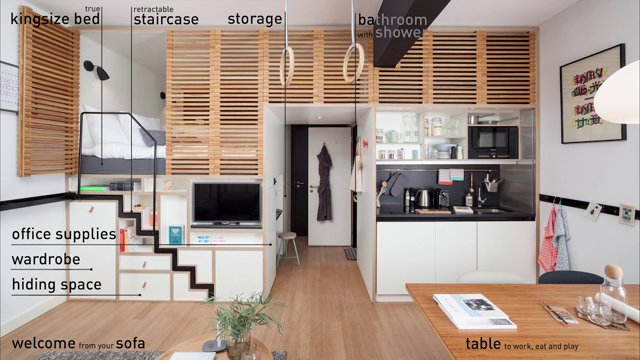
Developed in the Netherlands and created to provide value for millennials, Zoku markets itself as the end of the hotel room and the beginning of the infinite room. The hotel rooms include neat design features such as pullout stairs, drawers and sliding doors that help convert the room into a variety of multipurpose spaces, depending on the needs of the guest.
Zoku 旅館發展於荷蘭也企圖為千禧世代創造價值,並且定位為傳統旅館客房的終結、無界限客房的濫觴。該旅館客房包含簡潔的設計特點如收放式樓梯、抽屜及拉門,使得原有的客房能依照住客的需求轉換成各式各樣的多功能空間。
“In our research, we found that what young people like about a hostel, for example, is that they jump out of their bunk beds, go down to have a coffee, and chat for two hours with new people,” said Hans Meyer, co-founder and managing director at Zoku.
Zoku 旅館的共同創辦人及行政總監 Hans Meyer 表示:「在我們的研究中,舉例來說,我們發現年輕人所喜歡的青年旅社是能讓他們跳下雙層床後,下樓喝杯咖啡,並且跟初次見面的住客聊上一、二個小時。」
Meaningful experiences 有意義的體驗
It has never been more important to deliver deeper experiences to travelers by focus on inspiration, personalization and local experiences.
藉由專注於啟發、個人化及當地經驗來傳達深層體驗給旅行者是相當重要的。
Hotel design 酒店設計
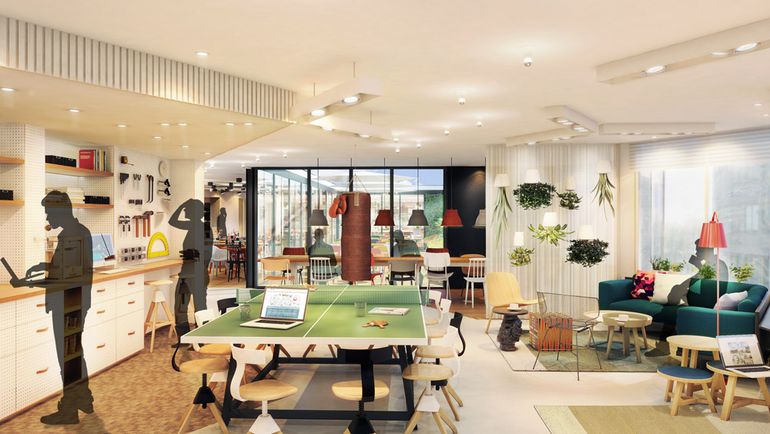
Hotel design is being transformed to cater for the millennial traveler through the evolution of lobby design, common social spaces and the more efficient use of space in hotel rooms.
酒店設計藉由大廳、一般社交空間的革新規劃和客房空間的有效利用來轉型以迎合千禧世代的旅行者。
London’s newest boutique hotel Laslett hotel looks to capture the rich cultural heritage and local contemporary scene of Notting Hill within the design of the hotel, making the ground floor more of a neighborhood hangout than a traditional hotel lobby. It incorporates a curated British library, walls of art, the Henderson bar and coffee which serves an evolving menu of dishes supplied by celebrated local chef Sally Clarke and her Bakery, and a shop showcasing collaborations with designers and artists.
英國倫敦最新的精品酒店 Laslett Hotel 力求在酒店設計當中兼俱深厚文化的遺產及諾丁丘的現代景緻,並讓酒店一樓成為鄰里交誼好去處而非一般傳統酒店大廳。該空間包含一個規劃良好的英式藏書區、藝術展示牆、漢德森酒吧&咖啡廳(供應著名的當地主廚 Sally Clarke及其烘焙坊所參與的菜色)以及一間由設計師及藝術家合作的展場商店。

“This was a natural evolution for us. We wanted to make sure there was going to be a really amazing product for the guests,” says Best Western’s Managing Director of Design Amy Hulbert.
最佳西方酒店集團的設計管理總監 Amy Hulbert 表示:「這對我們而言是個自然的變革。我們想確保我們的客人會有個真正的酒店佳作。」
即使是傳統簡單的青年旅館市場也漸漸進行品牌改造。例如:Freehand 旅館在大廳提供住客與當地人互動的機會,內裝增加了厚絨布沙發與咖啡供應,還有排列於牆的手工磁磚。歐洲青年旅館品牌 Generation Hostel 也同樣在旗下的 Poshtel 恣意地把一般的公共空間以炫目的酒吧、影音室及瑜伽空間加以換裝。
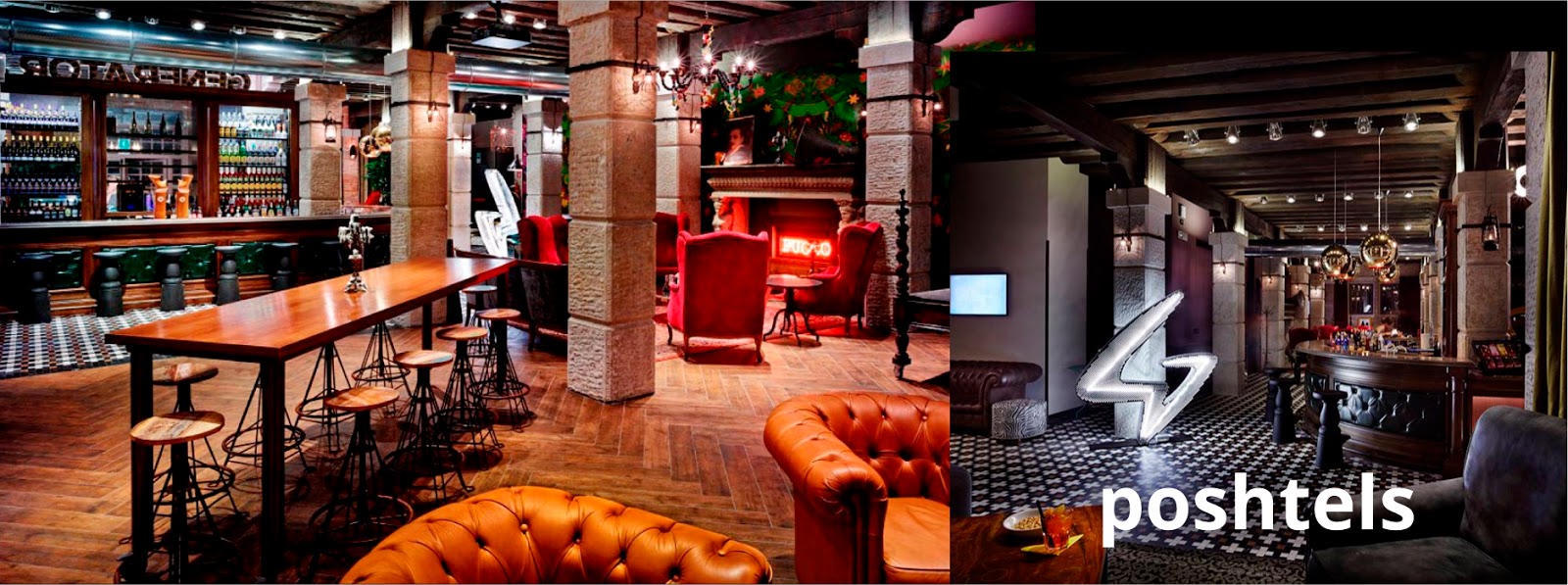
“We’re trying to capture people who are curious and people who want to experience design and want to experience something local,” said Josh White, Chief Strategic Officer.
Poshtel 策略長 Josh White 表示:「我們企圖吸引有好奇心的客人以及想體驗設計與當地風情的客群。」

Price sensitive 價格敏感
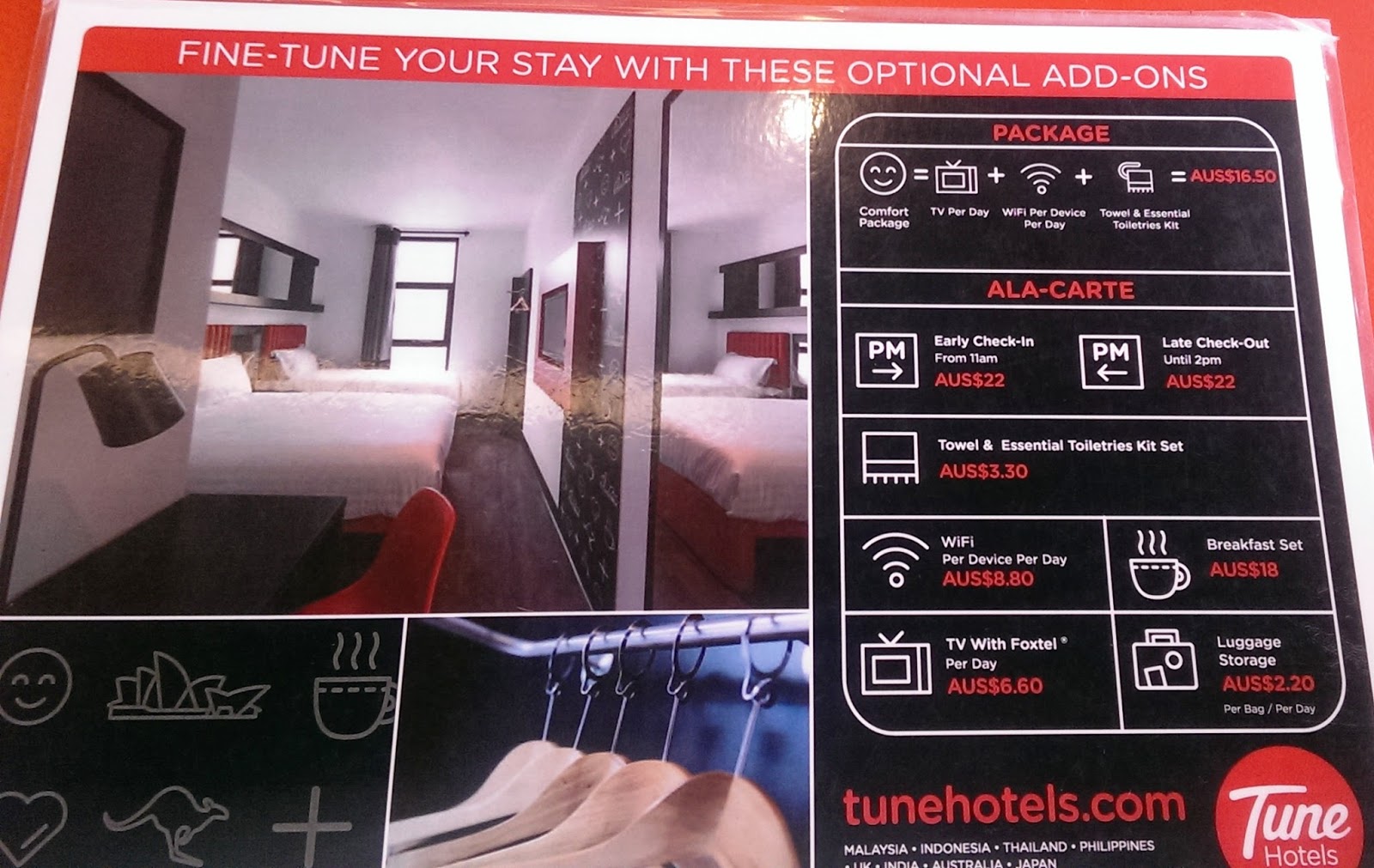
Lets face it, even though millennials require all these additional features from their hotels, they are still price sensitive, wanting more for less. The future of hotels will likely see the unbundling of hotel amenities, as the airline industry has successfully done in the last few decades.
面對現實吧!就算千禧世代想要所住的旅館都有上述的配備與服務,他們對於價格仍舊敏感,依然想要CP值高些。正當航空業者已進行隨選附加服務幾十年,旅館業未來也很可能看到越來越多同樣的服務類型。
新型態的 維京酒店 主動提出省錢方案如酒吧傍晚 6 至 7點的免費暢飲時間 (衛生福利部提醒您:飲酒過量有礙健康;警政署提醒您:喝酒不開車,開車不喝酒) 以及提供一次性省錢價的Mini Bar。另外維京酒店也注意到其他便利服務,比如免費提早入住以及延遲退房、入住當天免費臨時取消訂房。至於像是Tune Hotel 則提供隨選附加服務訂房系統,只要多付一些錢,就能多享有電視、無線上網及浴室備品(跟廉價航空將機票價格拆解成許多部份的方式相同)。
From boutique hotels to large hotel groups, the millennial traveller is most certainly redefining the hospitality industry’s definition of a hotel.
從精品旅館到大型連鎖酒店集團,千禧世代旅行者確實大幅度重新界定旅館產業的既有定義。
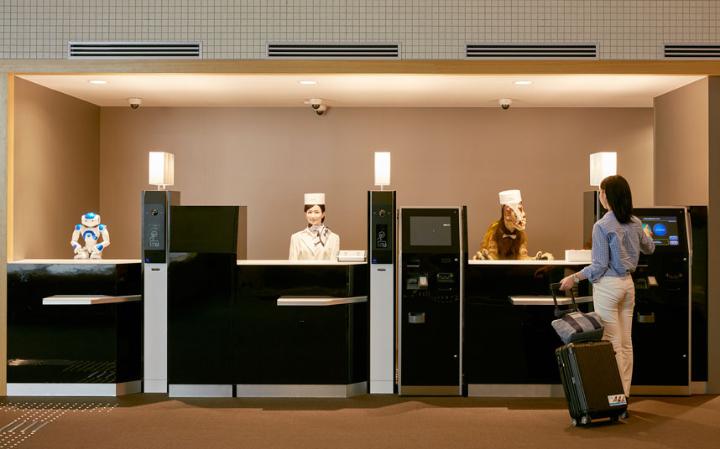
筆者近期注意到有台灣旅館業者引進 日本軟體銀行的Pepper機器人做為禮賓接待人員,是否最後會淪為單純的宣傳噱頭,不得而知;而多年前另一家旅館業者所建置的「行動管家」隨身裝置,隨著近年科技發展的突飛猛進,最初立意良善與先進,如今似乎已有些過時,消費者應該寧願帶著自己的 iPhone 6+ (而下一版本又快要推出)滑滑旅館方所建置的App獲得所需的資訊與提出需求,而非再多帶一台機器徒增麻煩。
變動的時代會將我們帶往何方?停滯而不變?或是靈活革新甚至引領潮流?有件事情可以確定的是:時間並不力挺我們這一方。Cheers!
 派屈克沈的旅館園地