
Why you may need to change your “competitive set” now
( 立即更新 “競爭群組" 的重要性 )
ehotelier.com by Robert Braun|June 17th, 2016
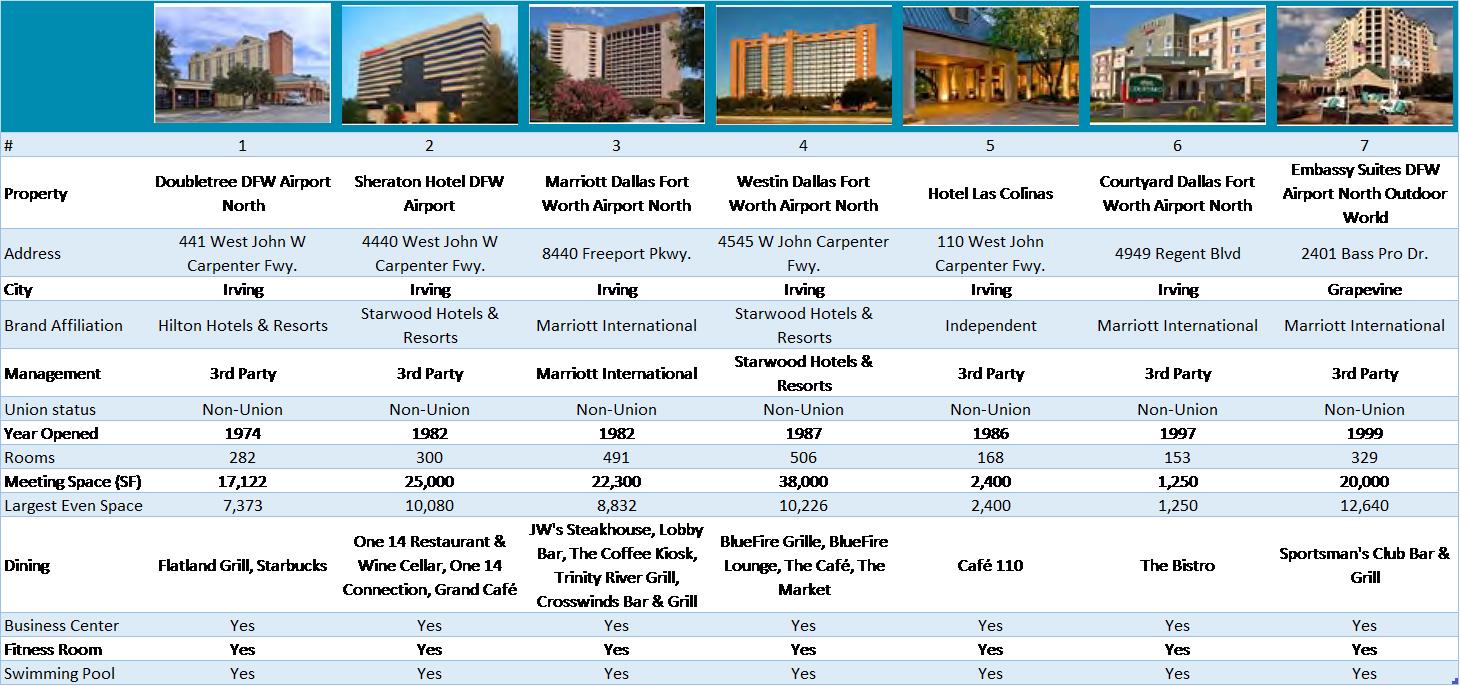
*名詞解釋(摘錄自STR官方網站) ─ Competitive Set (競爭群)
競爭群指的是一組選定的酒店群,酒店將自身與競爭群的綜合績效以及各項指標進行對比。 在北美、加勒比海和亞太地區,競爭群必須包括至少三家參與酒店。這3家酒店不包括目標酒店,也不包括其他與目標酒店同一集團的酒店。根據數據保密性原則,任何一間獨立酒店或品牌的酒店客房供给量不得超過競爭群全部客房供給量的40%,同一集團(例如:萬豪、Choice等) 酒店客房供給量不得超過競爭群全部客房供給量的60%。
在歐洲、中東/非洲、中美和南美地區,競爭群必須包括至少4家參與酒店。目標酒店不包含在這4家酒店之中。 根據數據保密性原則,任何一家獨立酒店或品牌的酒店客房供給量不得超過競爭群全部客房供給量的50%。同一集團 (例如:萬豪、Choice等) 酒店客房供給量不得超過競爭群全部客房供給量的60%。
敬靖注意:STR新版競爭群設定指南將於2017年1月1日正式生效。在STR新版競爭群指南中,競爭群必須至少包含除本酒店以外的四家參與酒店。單一酒店及單一品牌在競爭群中所佔的參與酒店客房數量不超過50%。單一管理集團 (如:萬豪集團、洲際集團 )在競爭群中所占的參與酒店客房數量不超過70%。
Many hotel management agreements contain performance test standards allowing an
owner to terminate a management agreement if the hotel fails to meet specified guidelines, and most of those tests incorporate a “RevPAR Test” – whether the hotel’s revenue per available room is comparable with a set of competitive hotels, its “competitive set.” The RevPAR test typically allows an owner to terminate a management agreement if the hotel’s RevPAR fails to meet a specified percentage, or index, of the competitive set’s RevPAR. Competitive sets can also be used to determine incentive pay or for other measures of performance, as well as projections of potential performance.
許多旅館管理協議都包括營運績效檢視的標準,這項標準讓業主在旅館營運無法符合特定準則時,得以中止該管理協議。大多數的績效檢視都包含一項「RevPAR(每間可供出租客房收入)測試」─ 不論該旅館的每間可供出租客房收入是否能與一組競爭業者相比較,也就是指「競爭群組」。旅館業主在檢視每間可供出租客房收入時,若發現自家旅館在競爭群組中未達到特定比例或指數,則業主通常能據此中止該管理協議。競爭群組也能運用在決定自家旅館的激勵奬金以及其他營運績效的評量工具,如潛在績效的預估。
The competitive set data is typically provided by a single source: STR, Inc. STR has established itself as a unique provider of supply, demand, and overall performance data for the hotel industry by collecting financial performance and other information from a vast number of hotels in the United States, and using that information to create anonymized measures of performance.
競爭群組的資料通常由 STR Inc.單一提供。藉由蒐集大量美國旅館酒店的財務績效表現及其他資訊並據此創建績效表現的匿名測量工具,STR公司已建立成為旅館業供需與整體績效表現資料的獨有供應者。
The STR competitive set allows parties to select a known group of comparable hotels and measure performance against that set without seeing their actual financial data. Spurred on by changes in the hotel brands –the Marriott – Starwood merger is the most recent and highest-profile example — STR announced that, effective January 1, 2017, it will impose a new set of guidelines for determining eligibility of competitive sets.
STR的競爭群組讓當事者能選擇一組已知且可供比較的旅館酒店,並衡量彼此的表現而無需看到實際的財務數據。而受到旅館業品牌變遷的激勵 ─ 萬豪與喜達屋的併購案是最新且最受矚目的例子 ─ STR宣布從2017年1月1日起將施行一項新的指導方針來判定競爭群組的合適性。
The new guidelines contain the following key elements:
新指導方針包括下列主要因素:
- No single property and no single brand can comprise more than 50 percent of the total room count, excluding the subject property and other properties from the same company as the subject.
除了比較主體的旅館及其他同樣來自於同酒店集團的旅館之外,無單一旅館及單一品牌可構成超過 50%的客房總數,
- No single company can account for more than 70 percent of the total participating room supply of a competitive set, excluding the rooms of the subject property and other properties from the same company as the subject.
除了比較主體的旅館及其他同樣來自於同公司的旅館之外,無單一酒店集團可囊括超過 70%的總客房供應數。
- Sets must include a total of four properties, excluding the subject, and a minimum of two companies, excluding the subject.
除了比較主體的旅館之外,競爭群組必須再包含四間旅館,並且至少要有二個酒店集團參與比較。
The changes to STR’s guidelines will mean that owners and managers will need to reconsider the composition of competitive sets to measure performance and exercise rights with respect to existing comparable hotels originally documented in the hotel management agreement. This extends not only to the hotels in the competitive set itself; it is also likely to require revision of existing RevPAR index hurdles, depending on the quality and degree of competitiveness of the newly comprised set. This means, ultimately, that operators and owners will need to renegotiate the competitive set and key provisions surrounding performance, resulting in revisions to the hotel management agreement. And if owners and managers cannot agree, they may be forced to resort to mediation, arbitration or even litigation.
STR指導方針的變更意指旅館業主及高階主管們需要再重新考量原有競爭群組內的旅館酒店以計算績效表現,並且就旅館管理協議所登載的對比酒店來行使權益。這些擴增的內容不光是針對列於競爭群組的旅館酒店,它也很可能是要修訂既有RevPAR指數窒礙難行之處,而這就要端視新建的群組在競爭性的品質與程度為何。這終究表示經營團隊與業主之間需要再協調出競爭群組的內容以及關於績效表現的主要規定與限制,並導向酒店管理合約的修訂。如果業主與經營團隊無法達成共識,他們就可能被迫訴諸調解、交付仲裁,甚至是打訴訟官司。
The challenge is magnified because of changes in the brand market. When Marriott completes its merger with Starwood, there will be a meaningful reduction in the number of hotels available for inclusion in a competitive set under the new guidelines. This may mean that owners and brands will be forced to include hotels that are not directly competitive, as well as deleting those that may have been preferred, in order to arrive at a compliant competitive set. Relying on a less than optimal set will require further adjustment in setting performance targets and analyzing data.
由於國際酒店品牌市場的變動,使得更新競爭群組的挑戰加鉅。當萬豪酒店集團完成併購喜達屋酒店集團之後,符合新指導方針之可適用的競爭群組酒店數量會顯著減少。這就可能表示業主及國際酒店品牌都將被迫選進非直接競爭的旅館酒店,同樣也得刪除掉已偏好的旅館選項以符合STR對於競爭群組的規定。由於所根據的競爭群組較不理想,所以在設定績效表現的目標及分析數據方面就需要有更進一步的調整。
Owner action items(業主的執行項目)
Owners should take the lead in identifying the changes that will be most beneficial to the performance standards.
業主應優先認清何項變更會最有益於績效表現的標準。
- Identify the management agreement requirements and identify any necessary amendments to the hotel management agreement. This is particularly important where a hotel is already in a period of performance failure to understand how this change may impact ownership’s ability to enforce a cure (typically a two year test) or other remedies.
- Instead of waiting for STR to decide whether the competitive set meets the guidelines, consider now whether any changes will be required to the hotel’s competitive set. Remember that the competitive set is typically adjusted in the annual budgeting process; consequently, the deadline for compliance for many hotels may be far earlier than January 1, 2017.
- Because truly competitive hotels might not be readily available, owners should take a deeper dive into the composition of the set. Consider all relevant factors, including location, quality level, size, facilities/amenities, seasonality and mix of business, not just occupancy, ADR and RevPAR.
- Outline an action plan, from analysis through to implementation, keeping in mind the timing of changes.
- Recognize that there are many moving parts to this equation. Keep tuned in and consult regularly with experts, particularly as the Marriott/Starwood merger continues to unfold and STR ramps up to roll out their new guidelines.
決定哪些旅館酒店名列於你的競爭群組是件重要的事。勿要小看。

Bob Braun is a Senior Member of JMBM’s Global Hospitality Group and is Co-Chair of the Firm’s Cybersecurity & Privacy Group. Bob has more than 20 years experience in representing hotel owners and developers in their contracts, relationships and disputes with hotel managers, licensors, franchisors and brands, and has negotiated hundreds of hotel management and franchise agreements. His practice includes experience with virtually every significant hotel brand and manager.
Bob also advises clients on condo hotel securities issues and many transactional matters, including entity formation, financing, and joint ventures, and works with companies on their data technology, privacy and security matters. These include software licensing, cloud computing, e-commerce, data processing and outsourcing agreements for the hospitality industry.
In addition, Bob is a frequent lecturer as an expert in technology, privacy and data security issues, and is one of only two attorneys in the 2015 listing of SuperLawyers to be recognized for expertise in Information Technology. Bob is on the Advisory Board of the Information Systems Security Association, Los Angeles chapter, and a member of the International Association of Privacy Professionals. Contact Bob Braun at 310.785.5331 or rbraun@jmbm.com. More on this topic can be found on www.HotelLawBlog.com.
 派屈克沈的旅館園地