

*筆者:不意外,台灣飯店業眼見精靈寶可夢GO的商機在國外火紅,在國內自然是機不可失,已有幾家不約而同地開出第一槍。2016年至目前為止確實對旅館業而言是久旱,而這突如其來的「神奇寶貝攻台」雲霓,是否解渴或者又是另一個一窩蜂的熱潮終究還是止不了渴、「飲起毛(台語)」而已?
不管是個人或者是事業經營,在如此目眩神迷、變遷快速的世界裡,唯有真實的力量才是因應之道。本篇已儘量加緊趕工翻譯出來,希望多少能即時地在盲從的媒體浪潮中,以不同觀點帶來清醒與沉澱。
Marketing: Be aware of the dangers of the “Shiny New Toy” syndrome
eHotelier.com by Frederic Gonzalo|August 5th, 2016
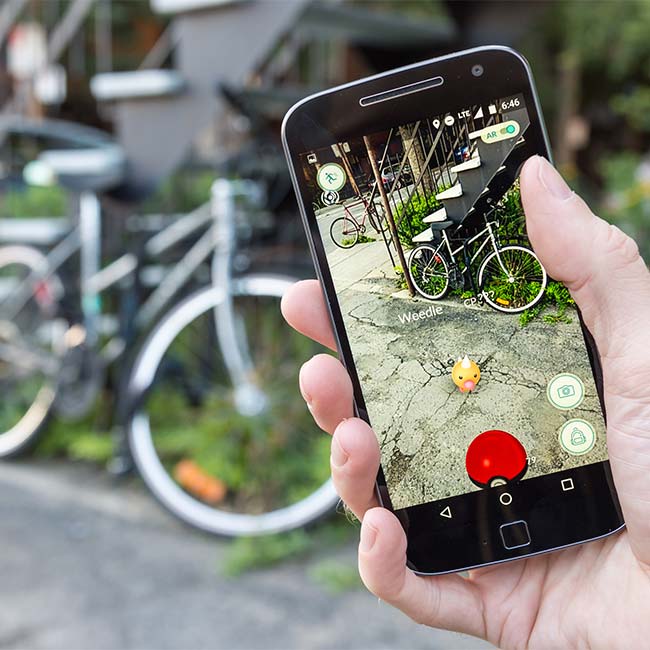 It’s really interesting to see how the Pokémon Go phenomenon has become a worldwide hit, with obvious potential in the travel and tourism sphere.
看到「精靈寶可夢GO」現象已成為全球熱潮是相當有趣的事情,而且這在觀光旅遊領域也有顯著潛力。
Many destinations were quick to embrace it, writing blog posts about 10 Pokémon Go activities to discover Montréal with the family, Best Places for Pokémon Go in Anaheim, Pokémon Go in Portland, or even the San Diego Guide to Pokémon Go – Catch Them All! Some attractions, like museums or specialty retail stores, various restaurants, festival and events have also jumped on board seeking to ride the wave of this popular and widespread new mobile application mixing virtual with real-life gaming.
許多旅遊目的地早已快速擁抱這熱潮,撰寫相關的部落格文章如「與家人同遊蒙特婁共玩十大精靈寶可夢GO活動」、「安那翰市最佳精靈寶可夢GO抓怪地點」、「波特蘭市的精靈寶可夢GO大進擊」,甚至是「聖地牙哥市的精靈寶可夢GO指南 ─ 完勝大攻略」一些旅遊景點像是博物館或專門的零售店、各式餐廳、節慶活動也已搭上這股虛實並存、全球火紅的手遊程式的浪潮。
Now I can just imagine some of the discussions taking place in various attractions, restaurants, hotels and travel brand offices: “How can we tap into this new opportunity?” is the most probable question. Some are perhaps more adamant, with a “Can we get a PokéStop near or at our business? Or maybe lure users with some of the paid features within the game”.
現在我就可以想像得出一些在各個景點、餐廳、旅館酒店及旅行公司正在討論的話題內容,而「我們要如何開發這個新商機?」會是最有可能的問題。或許有些場所會更執著地問道:「我們能不能在營業點內或附近設一個精靈寶可夢驛站?或者購買遊戲中的誘餌道具來吸客?」
We have two #PokemonGo Poké Stops at the museum! Or should we say Mew-seum? Learn more: https://t.co/niHH6Y9qI9 pic.twitter.com/QFvoIzihBw— Museum of Modern Art (@MuseumModernArt) 2016年7月13日
To that I say: back up the truck, for a moment. The focus, as always, should not be on the shiny new toy – in this case Pokémon Go – but rather on people that make up your target audience, and how to reach them best.
對此我會說:暫且蓄積後勢看好的力量。一如往常,重點不該擺放在那「新得發亮的玩具」(現在這個案例是指「精靈寶可夢GO」),而應該是組成目標客群的那群人,以及最能接觸該客群的方法。
Facebook, Snapchat… and now Pokémon Go(臉書、快拍…現在輪到精靈寶可夢GO)
It happens all the time when a new communication tool or device springs to life. In fact, this is exactly what happened when emails became a commonly accepted way of communicating, when websites became easier to program with open-source solutions like WordPress, and more recently in the past few years with social media and mobile applications. I still hear this all the time:
每當有新的通訊軟體或裝置進入現實生活中,類似的情況總是發生。事實上,這正好與電子郵件成為普遍可被接受的溝通方式的狀況一樣,與網站變得容易以開放原始碼的解決方式(如WordPress)來架設修改的一狀況一樣,而近幾年跟社群媒體與手機應用程式的狀況也如出一轍。我仍然一直聽到 以下的說法:
- We gotta have a mobile application, because customers are mobile now and our competition has a mobile app. (Sure, but are YOUR customers mobile and if so, do they prefer mobile browsing versus mobile apps? Is your website even mobile optimized to begin with?)
我們必須要有自家的手機應用程式,因為現今的客人都使用行動通訊,而且我們的競爭對手也有自己的手機APP→是沒錯啦!但你確定自己的客群都習慣行動通訊?如果是這樣,那麼他們偏好用手機瀏覽網頁還是用手機APP?而且你的網站是否開始手機版網頁優化?
- We want to invest on Google AdWords campaigns because we are in a very competitive environment. (Sure, but before you invest in some search engine marketing, how about a little bit of search engine optimization, ensuring content is relevant and can be found, with proper coding and texts in meta descriptions, titles and image captions?)
我們想要投資成本在谷歌推播行銷的廣告上,因為我們身處在一個競爭激烈的環境中→ 對啦!但當你投資在一些搜尋引擎行銷工具上時,不妨分出一點成本在搜尋引擎優化的部份,運用適當的編碼與內文在META中繼標記 (參考的相關文章)的描述、標題及圖片說明,以確保自家的廣告內容是有相關且能被搜尋到,如何?)
- We wish to spend more on Facebook Ads, since apparently they work and cost less than AdWords or other online tactics. (Sure, Facebook Ads work alright. But what exactly is the role of your Facebook page in your online strategy? To drive traffic to your website or to generate conversation, buzz and brand awareness with a vibrant community? In the latter case, investing in more dynamic community management approach might yield better results than simply creating ads with no purpose)
我們希望能多花些預算在臉書廣告上,因為顯然這服務有效且花費少於谷歌廣告推播或其他線上策略方案→是啦!臉書廣告當然有效。但捫心問問自己的網路行銷策略中,臉書的角色究竟是什麼?是要吸引網路流量至自家網站還是以一個活力精采的社群地位來創造與網民的對話、討論及品牌注意力?在稍後的案例中,投資較多在活躍的社群管理方式應該能在獲利上有更好的成效,如果你與純粹漫無目的的廣告相比的話。
- Everyone is talking about Snapchat and how we should be using it to connect with Millenials. How can we put a strategy in place to be effective on this platform? (Indeed, Snapchat is still very strong with Millenials, with 70% of its user base aged under 30 years old. But this is changing as adoption is becoming widespread and more and more parents – and marketers – are joining. But are Millenials part of your target audience? If so, are you already reaching them effectively, responding to questions or comments on your other social media like Facebook and Twitter, and answering reviews on TripAdvisor, Yelp or Gogobot?)
每個人都在談論Snapchat(快拍),那麼我們要如何運用它與千禧世代連繫溝通?我們該如何在這個程式平台將行銷策略產生效益?→確實,快拍仍然對千禧世代影響強烈,其使用者的年齡層有70%在30歲以下。然而這的狀態逐漸在轉變中,因為這手機程式的接受程度不斷擴散,而且越來越多的父母親(當然也有行銷人員)加入使用(這同時也是臉書流失年輕客群的原因)。但是,千禧世代會是你的目標客群的一部份嗎?如果是如此,你已經有效地與他們接觸互動嗎?比方問應他們的問題及評論在其他的社群媒體如臉書與推特,以及回答TripAdvisor、Yelp或Gogobot上的評比?
In other words, we keep going after the new trending technology or platform in the hopes that it will help our business generate more traffic and sales, create buzz and set us apart from the competition. But we often forget the basics. A classic case of the Shiny New Toy Syndrome (or SNTS). You know what SNTS is, right? You know, when a kid receives a new toy, it’s all the glory and he or she will want to play with it day and night, call friends to play with it and so on. Give it a week or two, the novelty wears off and eventually the toy loses its appeal and falls into oblivion.
換句話說,我們不斷地跟隨著新潮流的科技產物或互動平台以冀望這些新玩意能幫助自家公司產生更多的人潮與業績、創造話題、並讓自家公司得以甩開爭者。但我們往往忘記基本原則。一個「玩具還是新的好」症候(亦簡稱SNTS)的經典案例。我想你們知道SNTS是什麼吧?它是指,當一個小孩獲得一個新玩具時,那玩具就變成所有的焦點所在,而這個小孩會想要沒日沒夜地去玩那個新玩具,甚至呼朋引伴一起玩等。等到一、二週過去,新鮮感逐漸消失,到最後這原本的「新」玩具已失去吸引力,淪落到遺忘的角落。
Unless the toy addresses a real need or desire, that is. The basics.
除非這個玩具能滿足真正的需求或欲望,而這就是基本原則。
So the point here is to make sure that whenever a brand considers a new platform or technology, that it knows WHY it wants to be there and make use of it. And before starting any initiative, there needs to be a minimum of knowledge for how things work. Do you know how Pokémon Go actually functions and how to get a PokéStop for your business (you can’t, for now at least)? Have you downloaded Snapchat and tried it out with friends and colleagues to get a sense of how conversations take place here versus Instagram, Facebook or WhatsApp?
因此,本文的重點在於確認一個品牌不論在何時考量一個新互動平台或科技產物,品牌自身要搞清楚為何要「參一腳」並使用該平台與產物。在開始任何行動之前,你必須要有該互動平台或科技產物運作方式所需最起碼的知識。你知道「精靈寶可夢GO」實際上要如何操作嗎?你知道要如何在自家公司設立一個精靈寶可夢驛站?(如果你都不知道,至少從現在開始去了解熟悉)你曾下載過Snapchat(快拍)並試著與朋友同事一起玩玩看,讓自己對於以快拍聊天有個大致的概念,並對於Instagram、臉書或WhatsApp做比較?
In essence, it boils down to the basics of all marketing initiatives, including online and mobile:
本質上,這能歸結成所有行銷活動的基本原則,包括線上與行動裝置:
1. Have a strategy in place, with clear objectives to reach and key performance indicators
設下適當的行銷策略,並有明確的接觸目標及重要的績效指標。
2. Identify target audiences, and then where there are most likely to be reached
區分出目標客群,再研究何處最能與他們接觸互動。
3. Prioritize online tactics, according to resources, both human and financial. You can’t be effective on every platform with limited resources.
請將你的網路行銷策略根據人力與財務資源安排優先順序。你不可能以有限資源在每個線上與科技平台都有效發揮。
I wrote the following post three years ago but I believe it still rings true today: The Holy Trinity of Digital Travel Marketing. Once you have that trinity covered well, then sure, go ahead and do some trial and error with new mobile apps and solutions. Just don’t do it the other way around. That would be a clear case of SNTS in action…
我在三年前曾撰文「數位旅遊行銷的聖三一」,時至今日,我相信該篇文章仍真實可信並有參考價值。一旦你的「聖三一」做得好,那麼,你當然就可以放膽去進行一些新手機App與運用方案的試誤法。只是別本末倒置地做,因為那很明顯就是個SNTS的行為…。
About the author
 Frederic Gonzalo is passionate about marketing and communications, with over 19 years of experience in the travel and tourism sphere. Early 2012, he launched Gonzo Marketing and works as a strategic marketing consultant, professional speaker and trainer in the use of new technologies (web, social media, mobile). Reach him atfrederic@gonzomarketing.biz.
*相關文章:Beware of the Shiny New Toy Syndrome: People are Social-Not Platforms
 派屈克沈的旅館園地