
Asia’s hotels gear up for the business travel boom (亞洲酒店為商務旅行大爆發做好準備)
eHotelier.com by Guest Contributor | October 26th, 2016
 對於數以百萬計造訪上海的商旅人士而言,其住宿酒店的選擇重點傾向於能容易前往大清早的重要會議地點,至於能入住面對浦東區極具未來感的城市景緻的客房反而較不注重。
現今的亞洲大城市都有類似的狀況:策略性選址的新酒店如雨後春筍般地湧現在商業財經的樞鈕區,並專門為該地區日趨增長的商旅人仕服務。
Asia is now the world’s largest business travel region, holding 38 percent of the $1 trillion global business travel market spend. In coming years, this market will gain another five percent growth, at the expense of the more established North American markets, according to a recent McKinsey report.
亞洲是當今世界最大的商務旅行區域,在全球一兆美元的商旅市場中就佔了38%的消費比例。根據新近(2016年7月)麥肯錫管理顧問公司的研究報告當中指出,在未來幾年,亞洲商務旅行市場會再成長5%,同時也造成北美商旅市場減損。
Meeting the needs of business travelers (滿足商旅人仕的需求)
仲量聯行中印區執行副總裁 Andrew Langston表示,亞洲商務旅行最大部份的成長來自於區域內,而這樣的狀況使得亞洲各國當地與國際連鎖酒店業者在決策方面亟力迎合這成長快速的客群。
“Investors and operators are astutely aware of the cultural differences and requirements of the savvy Asian traveler, with the growth primarily coming from China,” he says.
他接著說:「投資開發商及業主靈敏覺察到精明的亞洲旅人在文化上的差異及要求,至於亞洲地區商務旅行的主要成長動量是來自於中國。」
“The old adage – that one hat fits all – does not apply anymore. Facilities, product and experiences have to be tailor made to the geographic and demographic guests you are targeting.”
「古諺所謂的『一體適用』在現今市場已不再適用。設施、產品服務及體驗必須依目標客群的地理屬性及人口屬性做客製化設計。」
Millennial business travelers for example, tend to be more tech savvy and have a different pattern of booking to the baby boomer set such as using mobile apps.
以千禧世代的商旅人士為例,相較於戰後嬰兒潮世代而言,他們更傾向是科技能手,並運用手機應用程式來預訂酒店。

However, there are some common traits: unsurprisingly, all business travelers prioritise convenience, selecting hotels that were close to their work destination, and expecting work-friendly facilities, according to McKinsey.
然而,這二個世代客群依舊有些共同特徵:根據麥肯錫管理顧問公司的報告,不意外地,所有商旅人士優先考量酒店的便利性,除了選擇鄰近工作地點的酒店之外,並期望酒店的設施配備能讓便於辦公。
Tasos Kousloglou, Executive Vice President, Strategic Advisory & Asset Management, JLL Asia, says: “What today’s business guests value most in the hotel are simple things such as fast and reliable wi-fi, enough power points in the room, a smart desk to work, an iron to press their clothes or a quick turnaround laundry before an important meeting, black-out curtains so they can get some sleep after a long flight, options for quick healthy bite and work-outs.
仲量聯行亞洲區策略顧問及資產管理的執行副總裁Tasos Kousloglou表示:「現今商務客在酒店最重視的事物很簡單,比方像是快且穩定的無線網路、房內有足夠可供充電的位置、智能工作檯、熨斗燙板、能在重要晤談前快速送洗的洗衣服務、在長途飛行後得以補眠休息的遮光窗簾、提供健康快餐及健身的服務。」
“Equally, a smooth, simple online booking process, a mobile optimized website and flexible check-in and check-out times are becoming deciding factors to their choice of hotel,” he adds.
他補充說:「同樣地,流暢簡單的線上訂房流程、優化的手機版網站以及彈性的住退房時間都逐漸成為選擇酒店住宿的決定因素。」
Micro-hotel chain Yotel has explored ideas such as robotic check-in and services, bringing technology to the front-of-house areas – something Langston thinks would have huge appeal to Asia’s business travel class: “The business traveler is looking for speed, connectivity and clean comfortable rooms.” In contrast, room size is not such a driving factor.
微型連鎖酒店之一的Yotel (2007年首間酒店在倫敦開業,目前已有5個歐美據點並持續擴點中)已探究機械人辦理入住服務等構想,並把科技帶到酒店的外場區域─ Tasos Kousloglou認為這對於亞洲商務旅行人士而言會有極大的吸引力:「商旅人士一直在尋求快速、具連結性且整潔舒適的酒店客房。相對地,房間大小則不算是選擇上的驅力因素。」
Language skills among hotel staff, however, are fast becoming a key consideration. “Most properties will now have their services promoted in several languages and provide employees with language capabilities, this is particularly important for China and Taiwan and for the second – third tier areas of growth,” Langston says.
然而,酒店員工的語言能力很快成為商旅人士在選擇酒店時的主要考量點。仲量聯行中印區執行副總裁 Andrew Langston說:「大多數的酒店業者如今會將其商品服務以不同語言的版本做行銷,並且任用具有他國語言能力的員工。這對於中國大陸及台灣的酒店業格外重要,而對於二、三線城市或區域的酒店營運成長亦是。」

Opening up new opportunities(開啟新契機)
國際連鎖酒店集團都亟力想分食成長中的商務旅行市場大餅。在今年稍早之時(2016年2月),萬豪酒店集團與中國快速崛起的東呈酒店集團簽署合作發展協議,在未來5年內要力推140間 Fairfield by Marriott 至中國大陸市場。酒店品牌 Fairfield 的目標客群為商旅人士 ─ 而中國崛起的中產階級被視為主力市場。
Meanwhile Yotel will launch its first two Asian properties in the next two years in Singapore, both aimed squarely at the fast-growing business travel market.
值此同時,Yotel將在未來2年內於新加坡推出其首二間亞洲據點,這其實也直接鎖定亞洲快速成長的商務旅行市場。
“Most business travelers are after a no-fuss approach that breaks down the traditional barriers of products like ‘fine dining’ or ‘concierge’ to more of a ‘leave me alone, I will call you if I need you’ approach,” Langston says.
仲量聯行中印區執行副總裁 Andrew Langston說:「以不大費周章的方式來區分多數的商旅人士,可歸類為『偏好精緻餐飲、禮賓部服務』的傳統派和傾向『讓我一個人靜一靜,如果有需要會再找你們』的獨行派。」
However, flexibility is also key with the rise of “b-leisure” – where business travelers tack on a couple of days of holiday at the end of a trip – and their requirements as guests shift as they have more time to enjoy the hotel facilities.
不過,彈性也是「商務兼私人休閒旅遊」興起的主要原因 ─ 商旅人士會在既有的商務行程後再多加幾天小假給自己─ 而他們需求也隨之移轉到休閒客群,因為他們有更多的時間去享受酒店內的設施服務。
An evolving market (演進中的市場)
Langston接著說:「因為善於科技的千禧世代旅人活躍於網路上,商務旅行成長的未來熱點將會陸續浮現,而在亞洲境內,商務旅行的成長將為國內、短程與國際長途的旅人提供所需服務。」
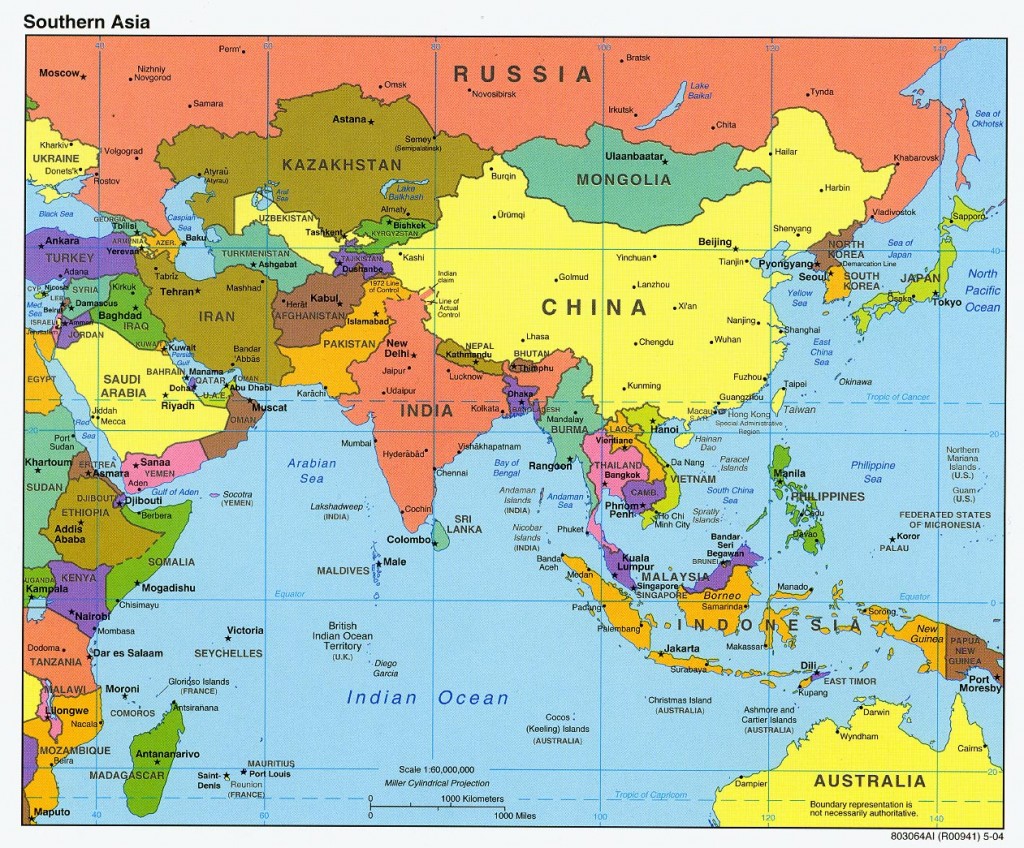
Countries such as India, Vietnam, Laos and Cambodia are already seeing higher numbers of business travelers with Myanmar also attracting attention – and developers are keen to capture a slice of the lucrative business travel market.
印度、越南、寮國及柬埔寨等國家已看到與緬甸商務人士往來程度提高,而緬甸亦是聚焦之所在 ─ 開發商無不亟力想分食商務旅行市場的大餅。
“This in turn is increasing hotel and hospitality investment within the region, as cost to build and service is still favourable with relatively low wages compared to the mature markets of Europe and the U.S,” says Langston.
Langston表示:「如此接踵而來的是旅館業在該區域的投資增加,因為當地的建築成本及服務成本仍是正面有利的,且工資對比於歐美成熟市場是相對低廉的。」
 派屈克沈的旅館園地