
*筆者: 目前歐美的通俗文化對於各「世代」的劃分仍有或多或少的爭議與討論的空間,大部份只能以「大概、約略」的方式來區分:X世代 ─ 1966~1980; Y世代 ─ 1981~2000; Z世代 ─ 1990年代中葉至2000年後出生者(主要是X世代的小孩)。其中在Y世代的範圍中,「千禧世代(Millennials)」即是用來描述該時期的特色。究竟該拿誰的尺去衡量另一方,還是仍舊拿著自己的尺去衡量舊有的客群卻忽略(或是不敢觸碰)未來世代的崛起?值得去好好去推敲。
 |
| 圖片來源:http://www.mybinternational.com/article/2016/05/22/your-workplace-ready-gen-y |
Millennials 2.0: Gen Z seeks seamless tech, casual vibe
03 MARCH 2017 9:36 AM HOTEL NEWS NOW by Alicia Hoisington
Generation Z and millennials want similar things from their hotel stays, such as authenticity and convenience. But designers say those groups also are looking to seamlessly sync up their personal devices. (Z世代與千禧世代對於旅館住宿有著類似的需求,比方像是真實可信與便利。但設計師表示這些族群也仰賴與其個人行動裝置無縫連結與操作。)
REPORT FROM THE U.S.—When it comes to hotel amenities, Generation Z wants it all. They’re looking for authentic experiences personalized to them, convenience, and at the same time, technology accommodations that mold to their lifestyle without feeling too over the top.
美國報導 ─ 當談到旅館設施與配備,Z世代想要的是全面性的服務。他們追求的是個人化的真實體驗、便捷,同時,形成其生活風格的住房科技卻又不能太超過。
The industry still has a lot to learn about the post-millennial generation, which is young and still finding its voice. But hotel design experts believe they have a good sense of what this generation is looking for, at least when it comes to the layout of a hotel.
旅館產業對於後千禧世代仍舊有很多方面需要學習與了解,再者,這個世代既年輕而且需要持續探尋其想法與意見。不過,旅館設計專家相信他們對於後千禧世代的偏好有相當程度的感知與了解,最起碼對於旅館設計規劃方面是有把握的。
 |
| Drift eat + drink, designed by Puccini Group, at the Hyatt Regency La Jolla at Aventine in San Diego, California, features a localized design concept. (Photo: Puccini Group) |
Justin Colombik, senior designer at Puccini Group, said post-millennial guests are looking for an authentic experience that “feels like it is high quality without feeling pretentious.” And of course, technology capabilities are important for the generation that’s grown up with the Internet and mobile devices.
Puccini 集團的資深設計師 Justin Colombik表示,後千禧世代客群追求的是真實可信的體驗,意即「感受得到其高質感卻無矯飾之情」。當然,對於這樣的世代客群來說,旅館內的科技服務是相對重要的,因為他們生長在充滿網路與行動通訊裝置的時代中。
“Authenticity brings value to their experience, and the narrative stimulates and connects with them,” he said. “So having that sort of sense of history but the convenience of technology is really important, and I think it’s very unique to their generation. If there’s no technology, they feel like it’s not connected to them, but if it feels too technical, then it’s meant for someone else.”
他說:「真實可信為 Z世代的體驗帶來價值,而旅館的歷史事跡能激發他們的想法並與他們有所互動連結。於是,旅館若能有些歷史感但又兼有科技的便利就顯得相當重要,而且我認為對於Z世代來說,這樣的結合是十分獨特的。要是旅館沒有任何科技智能的服務與設施,那麼Z世代就會覺得無法跟旅館本身有所互通,然而科技智能的服務若過了頭,Z世代反倒認為這樣的旅館不是為他們而設的。」
To create the right atmosphere for post-millennials, Colombik said Puccini Group uses authentic finishes, concrete tile and soft upholstery in its hotel designs.
為了給後千禧世代創造出最適當的旅館氛圍,Colombik表示Puccini 集團在旅館設計中採用了真實的打磨拋光之傢俱處理工序、混凝土的地磚與柔軟的椅墊。
“From a programming point of view, I think there’s some of that overlap of the more casual setup through large oversized furniture,” he said. “Nothing that feels very formal—not a Four Seasons sort of formal living room grouping—but … we did a hotel that was all beanbags that was very relaxed.”
Colombik接著說:「若從擺設的觀點來看,藉由使用超大尺寸傢俱會有更輕鬆休閒的重疊配置。所裝潢的物件不會令人感到過於正式(並非像四季酒店一樣的正式起居室之傢俱配置),然而…我們確實在某一間旅館全都放了讓人感到超級放鬆的豆豆袋在其中。」
- Hoteliers shared their thoughts on post-millennials last summer. Click here to see what they had to say. (旅館業者在去年夏天分享後千禧世代的心得。按此看他們說了些什麼。)
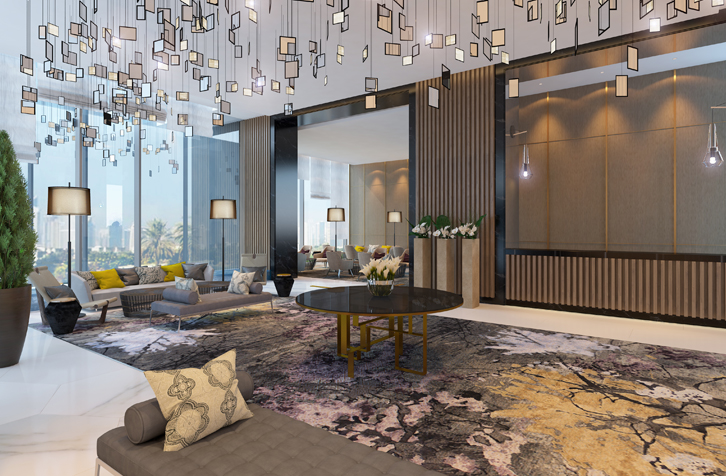 |
| A rendering of the lobby area of the Taj Hotel, scheduled to open in late 2018 in Dubai. Wilson Associates is designing the hotel. (Rendering: Wilson Associates) |
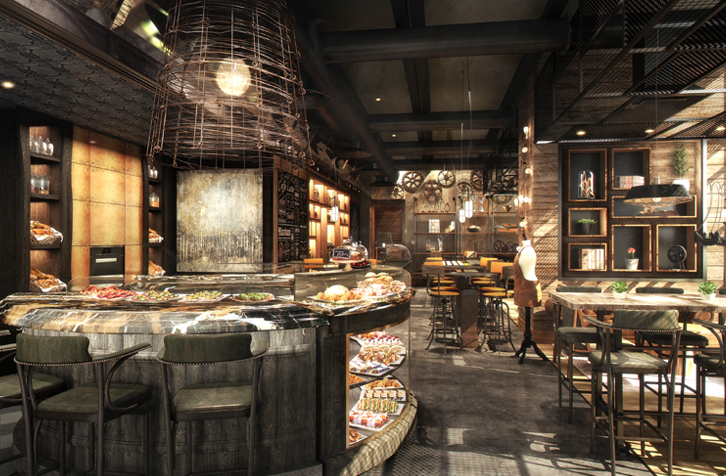 |
| Wilson Associates is designing a Taj Hotel in Dubai, United Arab Emirates, which is slated to open in late 2018. Pictured is a deli/bar concept for the hotel. (Rendering: Wilson Associates) |
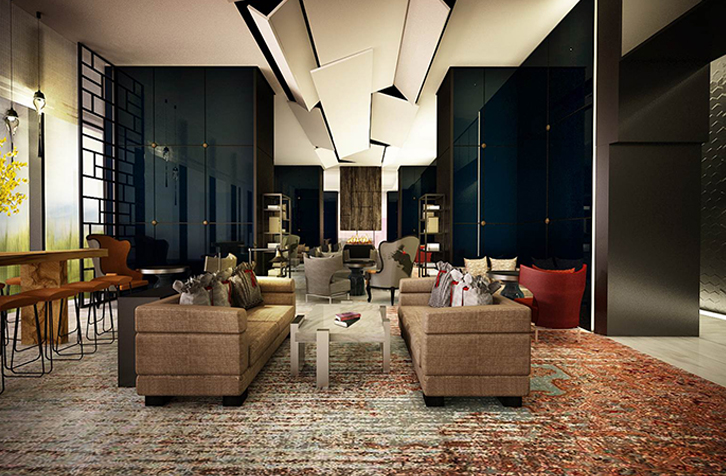 |
| Wilson Associates’ lobby design at the Fairmont Quasar in Istanbul was inspired by a 1930s liquor factory. The hotel opened in January 2017. (Photo: Wilson Associates). |
Designing around tech needs 依科技需求而設計
Generation Z guests aren’t looking for the opportunity to use a bunch of different devices during their hotel stay; they’re just looking to personalize their stay through their own mobile device, Kevin Tyjer, designer at Wilson Associates, told Hotel News Now.
任職於Wilson Assoicates的設計師 Kevin Tyjer 向Hotel News Now表示,Z世代並非追求在住宿期間能使用各式各樣的科技裝置與設備;他們純粹只是想用自己的行動裝置(手機)將住宿體驗個人化。
“I think now integrating tech is less about just adding another gadget—rather, (it’s) making it purposeful technology, so giving guests the opportunity to control using their own devices,” he said. “Not only with smart TVs, but being able to use their phone, a piece of tech that’s already an extension of them, to control and connect into the hotel. Some brands are already going the way of being able to use your smartphone as the key to actually enter your room through an application.”
他接著說:「我認為現今所謂的整合科技未必是增加另一個小玩意,而是使之成為有用途的科技。所以讓顧客有機會去操控自身的行動裝置是重點:不光是藉由智能電視,而且是能用自己的手機去操控與連結旅館客房,因為手機已經儼然是顧客存在的延伸。有些酒店品牌現今正逐步採用智慧型手機上的應用程式來做為房卡。」
Colombik said technology needs to be thoughtfully integrated into a hotel.
Colombik 補充說,科技必需體以貼顧客的需求整合到旅館之中。
“We’ve been told by brands not to do spaces that feel like an Apple store, but one that feels like a house, that feels residential, but has that sort of Apple technology in there,” he said.
他說:「酒店品牌人員告知我們不要把旅館空間搞得像Apple Store一樣,而是要讓顧客覺得像是住宅一般,有住家的感覺但又有些蘋果的智能科技在其中。」
 |
| 圖片來源: https://www.cpcc.edu/millennial |
A blurred line between generations 世代間的模糊界線
Right now, it seems like millennials and Generation Z want many of the same things in a hotel. Michael Lawless, associate designer at Wilson Associates, said he thinks the separation between millennials and post-millennials is blurred.
現今,千禧世代與Z世代似乎在旅館住宿的需求上有很多雷同之處。Wilson Associates的合夥設計師 Michael Lawless表示,他認為千禧世代與後千禧世代的區別是模糊的。
“It’s a generation that’s so young and it’s still defining its voice right now and hasn’t necessarily become the main target market for the hotels that we’re designing right now,” he said. “However, they most certainly will be the main target in the coming years, and I think at that stage they will have a more defined voice, and defined needs and wants that we would then be tailoring toward.”
Lawless 說:「它是個相當年輕的世代,而且迄今仍在界定其想法,再者Z世代尚未成為現今旅館的主要目標市場。不過,在未來幾年,他們極有可能成為主要的目標市場,我想屆時我們會對於這個世代的看法、所需與欲求會更明確,並加以修正與量身訂制。」
Marjorie Feltus Hawkins, owner and principal at FH Design, said Generation Z members are multitaskers who want to utilize public space in a hotel, which is similar to what millennials have wanted over the past few years.
FH Design公司的業主暨負責人 Marjorie Feltus Hawkins表示,Z世代的人是常利用旅館公共空間的多功世代者,而這樣的習性類似於千禧世代在過去幾年以來的模式。
“We’re looking at doing more comfortable lounge chairs that could even be wider and have data ports in them …. the Z’s know that it’s more multifaceted, so to speak. It’s multipurpose,” she said. “(This) creates an avenue for them to not only have their social avenue outlet there, but also, since we know that they like to be on the iPad as well as the phone and watching television, and maybe even socializing with somebody, they have a place to do it.”
她說:「我們正著眼於製作更舒適的沙發椅,而且是更寬大且附有數據接口在其中…Z世代明瞭那是更多面向的,也就是所謂多用途的。這為此世代建立了一個發展方向 ─ 不光是成為社交所在,而且是讓他們同時能用iPad平板電腦或手機來收看電視節目,甚至跟某人互動溝通的地方。 」
Because Generation Z guests want a place to socialize and use their gadgets, Hawkins said guestrooms don’t have to be as big.
由於Z世代的顧客想要有個地方可供他們與人社交互動並且能使用其電子產品,Hawkins表示旅館的客房就未必得要設計成大坪數的。
“Really, all they want is a room to go lay down, sleep, shower and then go back down to the lobby and/or go out and experience the town and the city,” she said. “… They’re more in-tune to not purchasing, but experiencing food and the local culture.”
她又補充說:「確實,他們要的只是一間可讓他們休息、睡覺、沖澡的房間,然後又下樓回到旅館大廳以及(或)外出體驗旅館所在城鎮。他們更偏好的是體驗當地餐飲及文化而非購物血拼。」
 派屈克沈的旅館園地