
*筆者:在旅館酒店的分類中,有一種區別方式是「硬性品牌(hard brand)」與「軟性品牌(soft brand)」。簡單來說,「硬性品牌(hard brand)」意指「引進及採用該品牌的業主或經營者須遵循該品牌的標準化規則,從旅館酒店名稱乃至軟硬體規格與訓練均需符合該品牌的規定而彈性不大,所以『硬性(hard)』的意涵由此而出。」,至於「軟性品牌(soft brand)」則意指「該旅館酒店精選或系列允許業主或經營者與連鎖酒店集團在行銷系統與會員制等層面有緊密連結,但同時又能保留其獨有的名稱、建築設計及風格,而彈性較大,『軟性(soft)』的意義在此」。
硬性的國際連鎖酒店品牌在台灣並不陌生,像是喜來登(Sheraton)、君悅(Grand Hyatt)、香格里拉(Shangri-la)、萬豪(Marriott)、智選假日酒店(Holiday Inn Express)等皆是例子,而軟性的國際連鎖酒店品牌中,若撇開「國際獨立酒店聯盟型態」的部份(瞧瞧我的立場多偏頗~XD) ,唯一有達陣的,應算是之前有分享過的「賦樂旅居(Hotel Proverbs Taipei)」 ,結合了Design Hotels 與喜達屋優先會員制度(Starwood Preferred Guest),並能進一步與現今最大的國際連鎖酒店集團─ 萬豪酒店集團(Marriott International)相互連結。
對於軟性酒店品牌需求最大的區域,以歐洲為最,因為由家族長久經營的旅館酒店在歐洲佔比相當大,「這是恁阿公(太祖)留下來的祖產知嘸?(請用台語講)」,所以改名是不可能的,原有的建築整個打掉重蓋也是不可能的(風韻與歷史會蕩然無存),然而又想藉重國際連鎖酒店集團的行銷系統與支持的龐大會員,讓自家產業讓更多人了解,以及更多訂房與消費所帶來的收益,於是軟性品牌便成為了折衷的最佳選擇。之前曾分享過的「魚與熊掌兼得」的文章可參考。
軟性品牌所要支付的管銷費用與成本,基本上會比硬性品牌的費用來得低,一種半套與全套的概念差異,不過,想要加入的旅館與酒店建議還是要有自己的特色,畢竟國際連鎖酒店集團旗下精選與系列的相關品牌還是有些標準與門檻的。印象所及,在喜達屋酒店集團被併購至萬豪酒店集團以前,豪華精選(Luxury Collection)與瑞吉酒店(St. Regis)品牌旗下酒店是直接由總部所管理與維繫,而非依地區與層級來管理,足見集團總部對於豪華精選(軟性品牌)旗下旅館酒店的重視程度。
Hotel execs delve into dramatic rise of soft brands
jhigley@hotelnewsnow.com
@jeffhigley1
Industry leaders at the ALIS Summer Update in Chicago explained how the success of hotel soft brands continues to expand. They expect more growth in the segment as chains, owners and operators seek to provide experiences that lead to consumer loyalty.
旅館業界領袖們齊聚在美國芝加哥的「美洲旅宿業投資高峰會之夏日新訊(The Americas Lodging Investment Summit Summer Update)」說明酒店集團的軟性品牌是如何持續擴張。他們期待這個品牌區塊能有更多的成長,因為連鎖酒店集團、業主及經營者都在尋求能引領消費者忠誠的體驗服務。
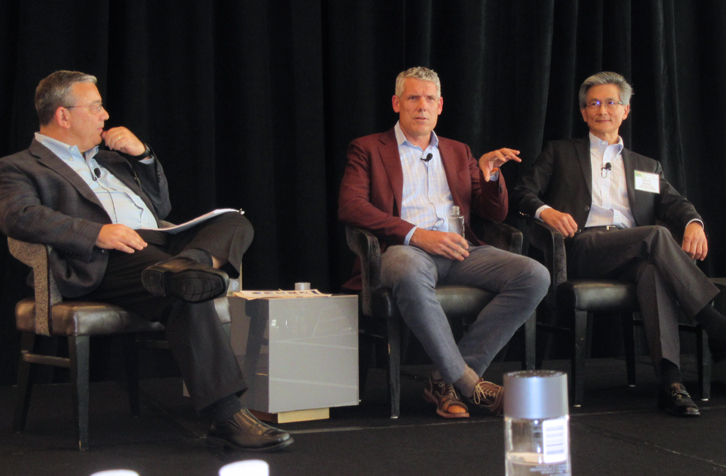 |
| Hyatt’s Steve Haggerty (center) focused many comments during last week’s ALIS Summer Update in Chicago on the importance of learning consumers’ spending habits and hotel preferences when it comes to soft brands. Also on the panel were David Kong (right) of Best Western and Scott Berman of PwC. (Photo: Jeff Higley) (中: 凱悅集團的Steve Haggerty; 右: 最佳西方酒店集團的David Kong; 左: 資誠聯合會計師事務所的Scott Berman ) |
CHICAGO—Hotel executives speaking about the dramatic rise of soft branding in the hotel industry needed to look no further than the hotel in which they were seated to make their cases for forging ahead with plans to grow in the sub-segment.
芝加哥報導 ─ 與會的旅館業高層除了表示旅館業的軟性品牌崛起之趨勢外,業者再也不能坐著觀望,而要加緊準備相關方案計劃以期能在這品牌次區塊能有所領先,搶得先機。
Participating in a panel discussion as part of the ALIS Summer Update event at the LondonHouse Chicago, Curio Collection by Hilton, several industry leaders said they expect the concept to continue to grow as hotel chains, owners and customers look for more flexibility. Scott Berman, panel moderator of PwC, said the number of soft-brand rooms in the U.S. is approaching 50,000.
幾位參與「美洲旅宿業投資高峰會之夏日新訊(The Americas Lodging Investment Summit Summer Update)」位於芝加哥London House酒店(希爾頓Curio精選系列的成員之一)的專題討論會之旅館業高層表示,他們期待這樣的品牌概念能持續成長,因為連鎖酒店集團、業主及顧客都在尋求更加彈性化與靈活的旅館酒店品牌。來自於資誠聯合會計師事務所的專題討論會議主持人Scott Berman 說軟性酒店品牌在美國的總客房數已趨近於五萬間。
“Soft branding is really in vogue now because it’s a win-win situation,” said David Kong, president and CEO of Best Western Hotels & Resorts, which launched its Premier Collection soft brand in 2014. “The hotel that’s independent would benefit greatly from being able to tap into a reservation system (and) a loyalty program. On top of that, you don’t have the straight branding requirements. For the brand, any scale is important to gain distribution. When you have more options that you offer up, you make the brand more relevant.”
最佳西方酒店集團(於2014年推出其首選系列的軟性品牌)的總裁暨執行長 David Kong 說:「現今軟性酒店品牌的確在流行中,因為這在酒店集團與業主之間是個雙贏局面。軟性品牌對於獨立經營的酒店業者來說獲益很大,因為他們得以接觸與運用酒店集團的訂房行銷系統及會員制。最重要的是,這些業者不用依照(硬性)品牌的制式規定來營運。對於酒店自身品牌而言,獲得銷售管道對於任何一種檔次的酒店都重要。當酒店自身提供更多銷售訂房的選擇時,這也讓酒店自身品牌更有意義。
Steve Haggerty, global head of capital strategy, franchising and select service for Hyatt Hotels Corporation, said the consideration of a soft brand “starts with the customer and ends with the customer—always.”
凱悅酒店集團的全球資本策略、加盟與精選服務主管 Steve Haggerty 說:「軟性酒店品牌的考量之處『始於顧客且終於顧客 ─ 始終如一。』」
“Our customer decided to enjoy travel differently and hotel companies are responding,” he added.
Steve Haggerty 補充說:「當我們凱悅的顧客決定要享受不同的旅遊經驗時,我們也持續回應顧客的需求。」
The LondonHouse Chicago, Curio Collection by Hilton, which opened in 2016, is a prime example of the role soft branding is playing in the industry. Oxford Capital Group reportedly sold the hotel for a Windy City record of $697,000 per room ($315 million total), to Hamburg, Germany-based investment manager Union Investment Real Estate, according to Crain’s Chicago Business.
在2016年開業的芝加哥London House酒店是希爾頓Curio精選系列的成員之一,同時也是軟性品牌在旅館業中做了一個很好的範例。根據Crain’s Chicago Business的報導,該酒店的業主牛津資本集團在開幕前一個月將此酒店以每間客房美金69.7萬(總金額美金3.15億)賣給根據地在德國漢堡的Union Investment Real Estate老闆,而該售價破了芝加哥當地每間旅館客房的買賣記錄。
John Rutledge, founder, president and CEO of Oxford, said the company never considered a hard brand for the property. Before the soft-branding concept took root, he said, the plan was to open it as an independent hotel.
牛津資本集團的創辦人、總裁暨執行長John Rutledge說他的公司從來沒有考慮為這個物業引進一個硬性品牌。他接著說,在引進軟性品牌的想法根深柢固之前,他們的規劃是以獨立自有的酒店來經營。
“Our base case plan was to create a brand of one,” he said. “We are big believers that the independent lifestyle/boutique hotel is here to stay. The internet has democratized access to the consumer and leveled the playing field.”
John Rutledge說:「我們的基本規劃是創造一個單一品牌。我們深信一間獨立自營的生活風格酒店或精品酒店是這個物業該有的模樣。網路使得商品與顧客互通的機會普及化,並且人人有機會。」
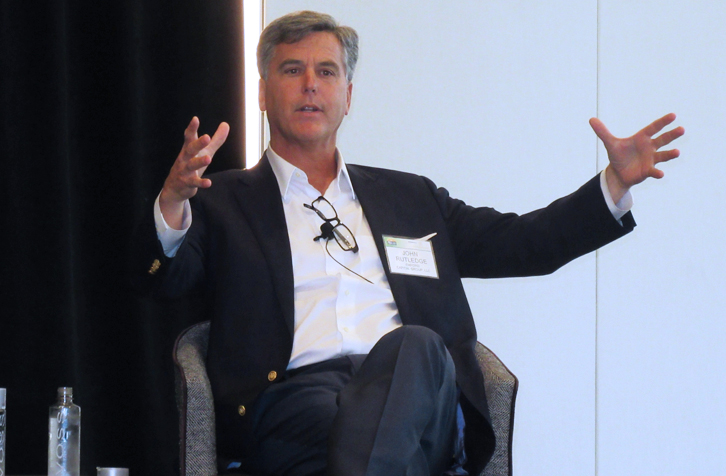 |
| Oxford Capital’s John Rutledge talked during the ALIS Summer Update in Chicago about the many factors a developer must consider to determine whether a soft brand is the right direction for a hotel. (Photo: Jeff Higley) (牛津資本集團的 John Rutledge) |
The soft-branding phenomenon has led to Oxford exploring it as an option for other independent properties in its portfolio, Rutledge said. Making that decision, he said, boils down to the top line of a property’s P&L statement.
John Rutledge表示,軟性酒店品牌的現象讓牛津資本集團為旗下的獨立物業有了試探開發的選項。他接著說,要做出抉擇的話,一切都要視這家酒店或物業的財務損益表之總收入而定。
“How much additional rate would we have to get to pay for those extra (soft-branding) fees?” Rutledge said. “Usually it’s a meaningful bump in rate you have to get to justify paying anywhere from 8% to 12% on top-line (revenue) to the big chains. Sometimes it makes sense.”
Rutledge 說:「為了加入軟性酒店品牌,我們得要付出多少額外的費用?通常付給國際大型連鎖酒店集團的費用合理區間在總收入的8%~12%。這樣的費率有時是合理的。」
Oxford attained better debt proceeds and better pricing on senior debt as a result of affiliating with a soft brand, and its joint-venture partner felt better with the project being affiliated with a big distribution engine like Hilton, Rutledge said.
Rutledge表示,在成為軟性酒店品牌的成員後,牛津資本集團的負債減少程度更佳,而公司優先債(公司優先票據)的價格也更好,而其合資企業夥伴也覺得跟像是希爾頓酒店集團等大型酒店銷售系統做緊密連結是件好事。
“We felt we could get enough rate premium to justify the incremental costs,” he said. “We analyzed it in a very quantitative, zero-based way, and in the end, it’s a judgment call.
「我們覺得我們能獲得足夠的價格附加值價來證明這些增加的成本是合理的。我們採用非常量化及零基的方式來分析,而最終是主觀判斷。」
“We’re very comfortable, particularly in an urban market with a lot of deep, latent demand,” he added.
Rutledge 補充說:「我們對此決定感到自在,尤其酒店位在有著深藏的龐大需求之都會市場當中。」
The hotel is housed in the London Guarantee & Accident Building, a 100-year-old, 23-story structure located in the heart of Chicago. Oxford also developed a new 22-story modernist glass tower to create the 452-room hotel. After the sale to Union, Oxford leased back the hotel, which allows it to stay on as owner of the operating business and hold a management contract for 25 years, Rutledge said.
The LondonHouse Chicago 酒店以倫敦擔保暨事故大樓改建而成,這是個有一百年歷史、23層樓高的建築物並位在芝加哥市的中心地帶。牛津資本集團也另外興建一棟全新22層的現代化玻璃帷幕高樓以做為有452客房的酒店。John Rutledge說,在這個出售案之後,牛津資本集團同時採售後回租的方式,擁有The LondonHouse Chicago 酒店25年的租約及經營管理權。
 派屈克沈的旅館園地
在〈[文章分享] 軟性酒店品牌的勢力崛起 ?! –01〉中有 1 則留言