
 |
| (圖片來源: http://www.julienutrition.com/avoid-overeating-keep-pounds-off-holiday-season/ ) |
*筆者: 歲末年終之際,任何領域都有對於來年的展望與趨勢分析。本篇「2018年全球旅館業餐飲趨勢」由產業專家依其經驗分析及參酌相關資訊,並輔以Mintel Group Ltd. 2018年全球餐飲趨勢的報告,統整出5個趨勢重點,為明年的旅館業餐飲服務提供可能的依循方向(雖然提及的食材以歐美為主,但觀點放諸四海皆準)。事不宜遲,趕緊來看看吧!
Hospitality food trends for 2018
(2018年全球旅館業餐飲趨勢)
December 14th, 2017 eHotelier.com by Larry Mogelonsky

Just as they did a century ago, hotel restaurants have a mantle to uphold by striving to be culinary leaders in their respective locales. To do so in today’s competitive foodservice landscape, however, requires constant ingenuity.
就如同一世紀前的方式一樣,旅館酒店內的餐廳藉著努力成為各自所在地的廚藝領導者以維繫其名譽傳承。然而,在現今競爭激烈的餐飲市場中,要達成這樣的目標得持續不斷的靈活變通才行。
While everyone knows about the big push to offer healthier options, incorporate any purported superfoods and raise the profile of local producers through farm-to-table programs. Much like nearly every other customer who will set food in your eatery, I would expect that your team already have those three well in hand.
當提供更健康的餐飲品項之趨勢浪潮為人所周知時,將任何號稱超級食物的品項納入餐廳菜單中並且以「原生態飲食計劃」來推廣具當地生產履歷的食材也是趨勢重點。幾近乎所有在你家館內餐廳用餐的客人都或多或少知道上述的餐飲風潮,因此,我會預期你家的餐飲工作團隊已熟稔上述潮流。
Below are five more to consider as the New Year dawns upon us. Besides my own firsthand observations, constant reading and listening to colleagues’ anecdotal remarks, I’ve also recruited Mintel Group Ltd.’s latest intelligence reports on global food and drink trends for 2018 (http://www.mintel.com/menu-insights)to help compile and lend some extra veracity to these top trends.
以下列出的五個趨勢重點,值得多加考量成為新的一年之起始工作與規劃。以下內容除了有我個人第一手的觀察、相關文獻資料的研讀與傾聽同事的有趣提點之外,也同時補充來自Mintel Group Ltd. 最新關於2018年全球餐飲趨勢的報告資訊,以協助彙整並汲取這些趨勢的更多真實性。
 |
| (圖片來源: https://www.34-menopause-symptoms.com/allergies/articles/8-common-food-allergies.htm ) |
1. Allergies abound(食物過敏與敏感充斥)
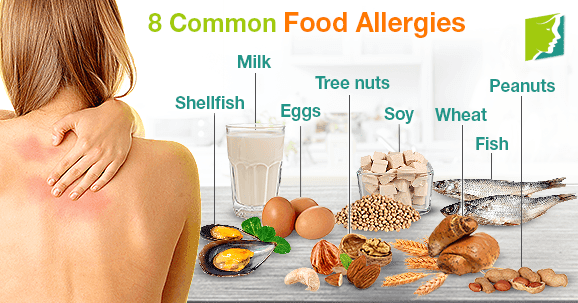
Fully in swing with the proliferation of individuals with various food sensitivities, every restaurant must first and foremost oblige these customers with total ingredient transparency. That means indicating everything used for the menu and more detailed buffet signage. Whether or not you decide to adjust your menu to appease those with allergies is secondary to this. But know that this has implications for other common trends like vegan (no animal products), gluten-free (no bread) or paleo dieting (think cauliflower-based faux-rice or faux-mash potatoes) where more and more such alternative options are influencing where people choose to eat. This is also a particular challenge for banqueting where the more components you have on a dish translates to the greater potential for substitution requests and a bottleneck in the kitchen.
由於對各種不同食物敏感與過敏的人數快速增長,每間餐廳首先必須要把食材原料透明化。這意指菜單上所使用到食材原料都要說明以及在自助餐餐檯上擺放更詳述的標示牌。至於是否決定要與這些過敏源食材在菜單上做退讓調整則是其次。但須知的是,過敏性食材的標示連同其他常見且漸成餐飲選項的潮流如素食(不含動物肉類原料)、無麩質(不含穀類麵包)或原始人飲食(想想以花椰菜為基底的仿米或仿馬鈴薯泥)的標示都影響著人們用餐地點的選擇。這同樣也對於菜餚中有更多的食材原料之宴會餐飲格外是個挑戰,除了對於替代食材的要求之外,在廚房製作烹調上的瓶頸亦是個挑戰。
 |
| (圖片來源: https://earth911.com/home-garden/eliminate-food-waste-before-compost/ ) |
2. Reducing food waste(減少食物浪費)
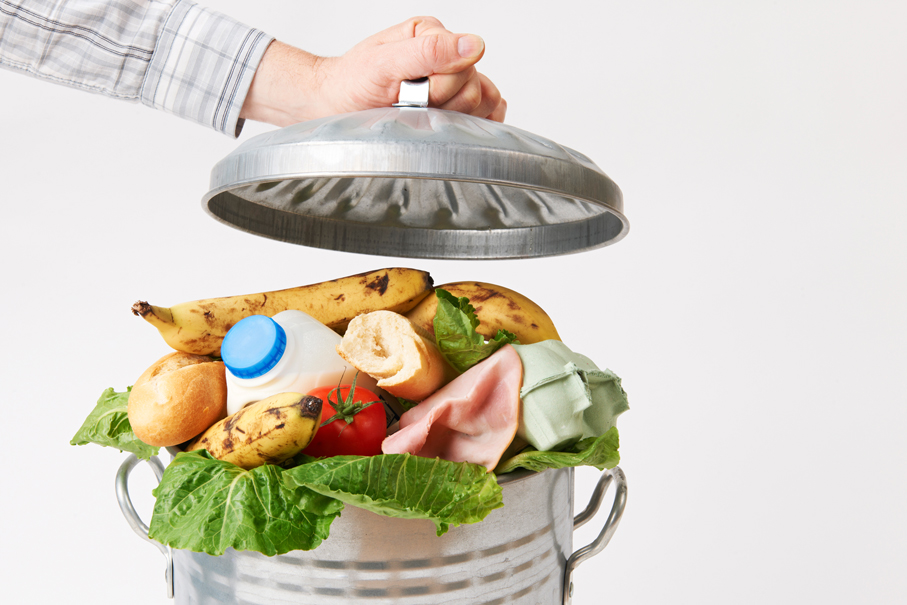
Not only is food waste a leading environmental hazard but it adds up to a lofty expense for any provider. The good news is that sustainability programs and advisors are readily available to help set up something that’s feasible for your situation and that can save you money. For starters, you must become more conscious about using every part of an ingredient – the whole plant or all the trimmings from a cut of meat. Indeed, with a bit of research and experimentation, such ‘recycling’ can result in some very delicious and alluring creations. Two others that are no-brainers are composting and building a partnership to donate leftovers to a nearby food bank.
食物浪費不只是頭號環保殺手,同時對於任何餐飲業者而言也增加極高的花費。好消息是永續性計劃與相關顧問業者都能協助制定符合你營運狀況的方案,並且進而能節省成本。對於初實行的業者來說,必須要能意識到一項食材得徹底使用─ 整顆植物蔬果或是切割肉類而來的肉屑與碎肉。確實,只要願意用點研究與實驗的精神,像這樣的回收再利用的方式能夠變成一些十分美味且吸引人的菜餚。還有其他二種方式是想都不用想的:成為廚餘堆肥以及與附近的食物銀行合作捐贈多餘的食物。
 |
| (圖片來源: http://www.miceseoul.com/webzine/201109/php/sma.php?edm ) |
3. Boozy brunch(微醺早午餐)
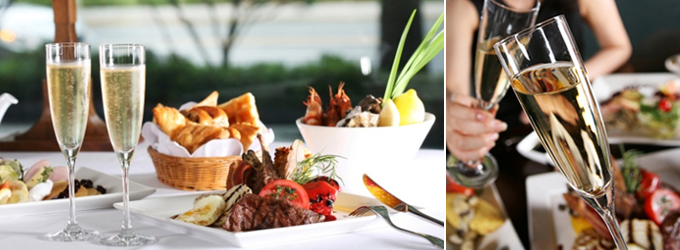
Brunch is big these days. Meanwhile, sparkling wine sales have seen a sharp year-over-year uptick and this isn’t because people have substantially more to celebrate. Champagne, Prosecco and others in this fizzy class are becoming more widely accepted as everyday drinkers, and not just as beverages for special occasions. This is not to say that sparkling wine is the only base that you can use for any sort of breakfast or brunch cocktail, but it’s a good start as the Bellini and mimosa are two of the most popular drinks for the pre-noon crowd. So, if you offer a dedicated brunch service then you should also challenge your team to come up with some enticing beverages to complement the menu.
近年來早午餐已成為重要的一餐。同時,每年的氣泡酒銷售已看到顯著的成長,而這並非是因為人們有更多的場合要慶祝。法國香檳、義大利Prosecco氣泡酒與其他同屬此類別的酒已漸被普遍接受成為每日飲品,而非僅限於特定場合才可飲用。這不是意指氣泡酒是唯一能用在早餐或早午餐的調酒基底,但它會是不錯的開胃飲料,因為像Bellini與Mimosa對於中午前光臨的顧客是最受歡迎的調酒。所以,如果你提供專門的早午餐服務,那麼你應該也讓你的餐飲工作團隊有些挑戰性,想出一些誘人的飲料品項作為菜單的補強。
 |
| (圖片來源: https://create.adobe.com/2017/8/4/a_sense_of_place_suffuses_joann_pai_s_food_photography.html) |
4. Seasonal specificity(季節明確性)
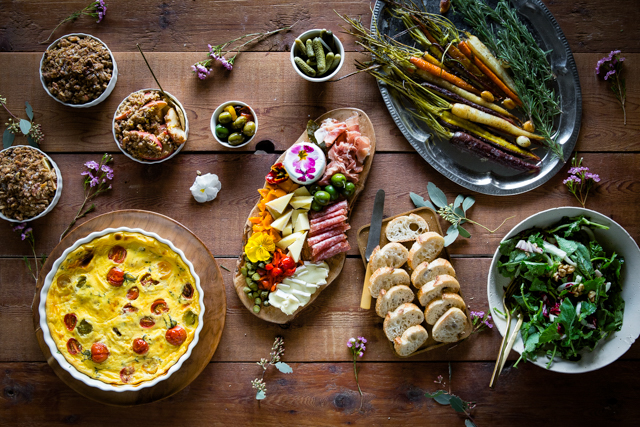
The word ‘seasonal’ should imply local, but it should also go a step further by giving your menu a ‘limited time only’ appeal. Next, the term ‘specificity’ should give you a hint as to how you can best market your seasonal offerings – by drilling down to the exact cultivar of a vegetable or the subspecies variety that you used for a given dish. This not only suggests exclusivity and increased value, but it also educates the customers in the just the right way. Along these lines, words like ‘heirloom’ and ‘heritage’ carry a lot of weight, even with issues surrounding consistent sourcing. While seasonal specificity works best when it’s married to local produce (think cheeses made nearby that are only available around Christmas time), it can also be applied to just about anything that’s in limited supply for a set annual duration. While seasonal menus are quite popular, they nonetheless require significantly more maintenance as you must work out the sourcing logistics and your chefs must be willing to more frequently change what’s offered in the first place.
「時令的、季節性的(Seasonal)」這個字彙意味著「當地的」,然而,它同樣也應該再更進一步將自家館內餐廳的菜單添加「季節限定」的吸引因子。其次,此「明確性(specificity)」用語應該讓你有所啟發,即如何去行銷自家餐廳季節限定的餐飲服務─ 比方像是移植正確品種的植物食材或其他各類的植物亞種的來栽種及使用在菜色中。這不光是具備獨有性與附加價值,同時也能正確的方式教育顧客「食當季」的觀念。除了上述之外,「祖傳祕方(heirloom)」與「歷史傳承(heritage)」的字眼都也相當有份量,即使談論議題常圍繞在一致性採購上。當季節明確性與當地食材結合時能發揮最佳效果(試想一下鄰近地區只有在耶誕時節才有供應販售的乳酪),這也適用在任何限定在一年中某時段供應的產品。雖然季節限定的菜單相單受歡迎,但它們仍極需維持,因為你必須處理食材採購上的邏輯而且餐廳主廚必須要能樂意去經常考量應先更換的菜色。
 |
| (圖片來源: http://kblog.lunchboxbunch.com/2012/11/roasted-beet-salad-pecans-balsamic.html ) |
5. Popular food, new twist(為熱門的食材添新意)
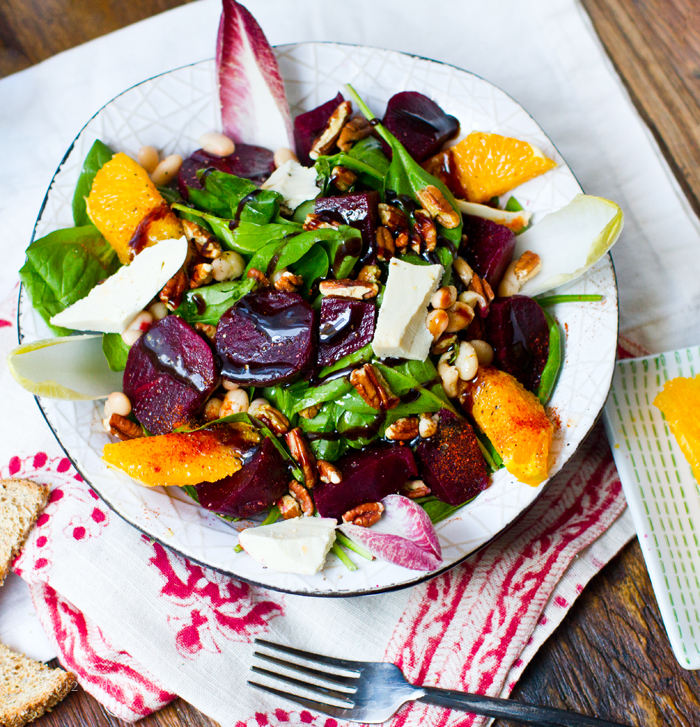
As an extension of the point about reducing food waste and being more conscious of your ingredients, the concept here is to add a bit of the unknown to your dishes while still operating within an acceptable framework. For instance, beets are already trending, but few restaurants are utilizing beetroot greens for salads or sides, which is taking the process one tiny step further. Similarly, you might opt to use fennel pollen instead of just fennel or substitute honey for royal jelly. Also, worth consideration are infused syrups or house-made specialty sauces that take what’s already palatable but with just a hint of the unknown. While the possibilities in this regard aren’t anywhere close to endless, you can still make a big splash by being just a tad different.
第五點除了是第二點「減少食材浪費」及多留意食材使用狀況的延伸之外,同時也是為菜色增加點未知的變化但仍在可接受的框架下操作。舉例來說,甜菜已經是流行的食材,但有少數的餐廳使用甜菜葉子的部份作為沙拉與配菜,而這就是在食材運用的過程中再多做一小步。相似地,你可能會優先使用茴香花粉而非只用茴香,又或者用蜂蜜來替代蜂王乳。另外值得去考量的是採用混搭的糖漿或自製的特調醬料,既美味又能帶些未知的驚喜。雖然混搭變通的點子不能言盡,你仍舊可以藉由一點小變化來獲得大迴響。
About Larry Mogelonsky
 One of the world’s most published writer in hospitality, Larry Mogelonsky is the principal of Hotel Mogel Consulting Limited, a Toronto-based consulting practice. His experience encompasses hotel properties around the world, both branded and independent, and ranging from luxury and boutique to select-service. Larry is also on several boards for companies focused on hotel technology. His work includes four books “Are You an Ostrich or a Llama?” (2012), “Llamas Rule” (2013), “Hotel Llama” (2015), and “The Llama is Inn” (2017). You can reach Larry at larry@hotelmogel.com to discuss hotel business challenges or to book speaking engagements.
 派屈克沈的旅館園地