

27/06/2018 eHotelier.com by Jennifer Nagy from JLNPR.com
One of the most undervalued and underutilized marketing tactics is public relations (a.k.a. PR). This is most likely because most people — my immediate family included — have no idea what PR is.
最被低估及最少被使用的行銷策略方法之一就是「公共關係(簡稱『公關』)」。這最有可能是因為大部份的人─ 甚至包含我的至親─根本不清楚「公關」究竟是什麼。
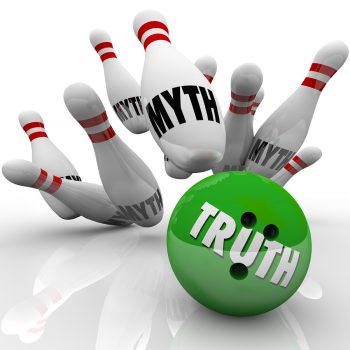 |
| Truth vs Myths Bowling Ball Striking Pins |
“No Grandma, I don’t work at the TV station. And no, I can’t introduce you to Anderson Cooper.”
「阿嬤,我沒有在電視台工作。嘸啦!我莫法度介紹新聞主播安德森 ‧ 庫柏乎妳熟似(台語)!」
Even some small business owners who are familiar with PR are belaboring under very common myths about the industry. In this article, I’ve debunked the top five most common PR myths to show you how it can help you to market your hospitality business more effectively.
甚至是一些熟悉公關事務的中小企業主也對公關業存有相當常見的迷思,該打屁屁哦!我在本文釐清了前五大常見的公關迷思,藉以傳達公關策略能幫助您的旅館事業更有效率。
Myth #1: PR equals press releases
(迷思一:公關等同於新聞稿)
The press release is the proverbial hammer of a PR toolkit — the tried and true method that companies continue to use to communicate their stories to media. It can be a very effective tool, but only when used properly. Unfortunately, most companies use press releases as a vehicle to mass-market a story idea. Most press releases simply state news, rather than considering what is newsworthy (about the news) to the general public or a media outlet. Instead, always try to see the bigger picture; your press release should tell a reporter what implication your news has on the entire hospitality industry, not just on your company.
新聞稿是公關操作工具中為一般人所熟知的方式─這是公司企業持續用來與媒體溝通敘事的實際使用工具。它可以是個相當有效的公關工具,但也只有在使用恰當的狀況下才算數。不幸的是,大多數的公司企業在使用新聞稿時,都把它當作是個如同通往大眾市場的工具之構想故事。大多數的新聞稿僅陳述消息而非把有新聞價值的事情傳達給普羅大眾或者是任一個媒體。相對地,應該總試著以大格局的視野來看待;你的新聞稿應該告訴記者自家的消息在整個旅館業有何引申意義,而非只著眼於自家公司。
As well, companies that are inexperienced in PR send their untargeted press release to every single media outlet that they can think of and every single journalist in each outlet, without any real strategy or consideration of the journalist’s specific areas of interest. This “spray and pray” method has made the press release a much less effective tool for PR professionals. Journalists receive hundreds or even thousands of press releases via email every day so your message to media must also change for your story to stand out from the crowd.
同樣地,對公關無經驗的公司企業會將他們無目標性的新聞稿傳送給所能想到的每個媒體、每位記者,而沒有真正的策略或想法在記者所專精的新聞路線。像這種「亂槍打鳥」的方法使得新聞稿對於公關專業人士來說是相當沒效率的工具。記者的電子郵箱每天都會收到數以百計甚至千計的新聞稿,因此想要傳達給媒體的訊息必須為了出眾而做些調整。
Today, a more effective way of delivering your message/story idea to media is to use a pitch letter. A pitch letter is an email, which outlines the newsworthy story behind your news. I repeat, it cannot just state your news; your pitch must encapsulate why this story should matter to the media outlet’s audience.
現今,有個更有效地傳達自家商品的訊息或故事給媒體的方式是使用「行銷(推銷)信」。行銷信可以運用電子郵件(或電話、社群媒體)將產品資訊以有新聞價值的外在型式發送出去。必須要重申的是,行銷信不能只是陳述自家的商品資訊,你投遞的訊息必須要包含對方媒體的受眾會認定為重要的資訊。
Here’s an example: if your news is that your company appointed a new CEO, consider how this appointment will affect your business, the industry in which you operate and the local business community. Will your new CEO affect your local economy in a positive way? Will the new CEO bring strong experience or innovation that will help your company to transform your industry? If so, these are the strong newsworthy stories that you should be including in your email pitch, so that you will secure the most media coverage possible.
舉個例子:假設你想發佈的消息是自家公司任命了新執行長,要考量的是此項任命案會如何影響自家公司的事業、所在的產業界及當地的商業群體。你公司的新執行長是否會正向影響當地的經濟?如果是這樣的話,這就是很有新聞價值的消息並且要寫入你的行銷信當中,這樣一來你就能儘可能地確保多數的媒體覆蓋率。
Myth #2: Effective PR can replace the efforts of a sales team
(迷思二:有效的公關可以替代一整個業務團隊的心力)
At times, I feel like I am stuck on repeat because of how often I explain this common misconception about PR: PR is not a sales tactic. It will not directly generate sales.
有時候,我感到我卡在一個重覆性的輪迴當中,因為我一直不斷地解釋對於公關常見謬誤:公關不是一個銷售策略,公關也不會直接產出業績。
PR is a complement to a strong sales strategy, as it generates brand awareness and credibility so that when your salespeople approach potential leads, they are already familiar with your company, product and trust in your brand. This will turn cold leads into warm leads, and will drastically increase your sales team’s efficacy over time.
公關對於強大的銷售策略而言是一個補強的工具,因為它能產出對於自家品牌的覺察注目及公信力,於是當自家的業務人員接觸潛在的銷售線索時,這些客層早已熟悉自家公司與商品並且信任自家品牌。公關能將陌生的銷售線索轉化成熟悉的銷售線索,並且能漸趨地大幅增加自家銷售團隊的效能。
Which brings me to my next point…
而這讓我得推導出下一點….
Myth #3: Using PR, my company will become famous overnight
(迷思三:使用公關,我的公司就會一夜成名)
Building a brand and creating awareness in a customer’s mind does not happen overnight. With most PR campaigns (especially those in high competition markets — like the U.S. travel media market, for instance), companies can expect to start seeing media placements at approximately three months into the campaign; as long as the campaign continues, the number of PR placements will increase exponentially so you can anticipate steady growth over time.
在消費者心中建立起品牌與創造出覺察注目並不會一夜之間發生。憑藉大多數的公關廣告(尤其在高度競爭市場中,例如美國的旅遊媒體市場),公司企業能預期看到約三個月的媒體置入;只要持續廣告,則公關置入的數目將以等比級數的程度增加,因此你可以預期有逐步的穩定成長。
This is why PR is most effective over a long period of time. My recommendation is to consider PR as a basic necessity for marketing your business and outreach should continue on a regular basis, as long as your company is in existence. In other words, PR shouldn’t stop until you do.
這就是為什麼公關是具有長期效益的原因。我的建議是把公關視為一項行銷自家公司的基本必需品,而只要自家公司是存續狀態,能拓展公司業務的公關工作應以一般正常的基礎上持續進行。換言之,公關工作只有在你覺得要停止的時刻才能停。
Myth #4: PR is cheap
(迷思四:公關不用花大錢)
A common misconception is that PR is cheap. While this has a modicum of truth (because PR is much cheaper — and more effective — than advertising), PR is not by any means cheap. PR is a full-time job so companies must either hire a full-time, in-house PR professional or outsource to an agency, who will handle the PR outreach on a company’s behalf. Either way, your monthly costs will be in the thousands, not in the hundreds of dollars. When it comes to PR, you definitely get what you pay for.
另一個常見的誤解是「公關不用花大錢」。雖然這話說來真實性低(因為公關比廣告還來得花費少且更有效),但是公關絶對不便宜。公關是個全職的工作,因此自家公司企業必須聘請一位全職的公司內部專門人員,不然就得要把相關工作外包給公關公司,以自家公司的名義處理公關相關的觸及事務。同樣地,自家公司每月花在公關的成本將是以數千美金而非數百美金來計算。當談到公關,確實是一分錢一分貨。
Think of it this way: you need to spend money to make money. And the benefits of PR HUGELY outweigh its costs. PR can create more visibility, more credibility and more impressions than advertising at a MUCH lower price point. And unlike advertising, whose effectiveness stops when you stop paying for the ad, PR’s reach continues to grow exponentially over time as more and more media outlets become familiar with your company, product and brand.
請這樣想:想賺錢就得先砸錢投資。而公關所帶來的利益遠遠大於所花費的成本。公關能創造出更高的能見度,更多的公信力,並且比廣告來得低的價格成本獲致更多受眾印象。當你不再付費刊登廣告時,廣告效益就隨即停止,至於公關的觸及效果則會隨著時間呈現等比級數的成長,因為越來越多的媒體變得熟悉你的公司、產品及品牌。
Myth #5: PR is all about press releases. Anyone can do it!
(迷思五:公關就只是新聞稿而已。任何人都能做!)
This is probably one of the biggest myths about PR. Many business owners think that they can handle PR themselves to save money; after all, all you need to do is write a press release and journalists will be banging down your door, asking for interviews, right?
這很是可能眾多公關大迷思之中的一項。許多公司老闆與企業主都認為自己能夠處理公關事務並省去這方面的開支;畢竟,你所要做的只有寫則新聞稿,而記者們接著就會登門要求採訪,對吧?
Not true.
那不是真的。
PR is a big job. It’s not just about press releases… or even about pitches. PR is about creating a consistent brand, writing well, communicating effectively, acting strategically, creating relationships with media, having extensive knowledge about your industry and the media outlets that you are pitching. That being said, it is possible to DIY your company’s PR with the right knowledge, guidance and tools, as long as you are willing to put in the time and work necessary to execute an effective ongoing PR campaign (at least, a few hours each week).
公關的工程浩大,而且不是只有新聞稿或只是跟推銷行為有關。公關是創造出一個有一致性的品牌、善於撰寫文稿、有效溝通聯繫、策略性行動、與媒體業界建立良好關係、具備公司所在產業的豐富知能以及熟悉所欲推銷的媒體。雖然說,自己以正確的知識、導引及工具來處理自家公司的公司企業的公關事務是可能的,只要你願意投注時間(至少每週幾個小時)與執行有效持續性的公關廣告之必要工作。
 派屈克沈的旅館園地
Nice knowledge gaining article. This post is really the best on this valuable topic. press release
讚讚