
*筆者: 2003年SARS疫情在台灣爆發時,台灣以及全球都是一片風聲鶴唳並且重創所有經濟活動,當時筆者才快要退伍尚未踏入旅館業。如今2020年初始(實際上是2019年底開始),這突如其來的病毒風暴緊接在中美貿易戰稍微趨緩之際,所有經濟活動勢必將再度遭受重創,全球觀光旅宿業亦無法倖免於難。
真是「黑天鵝」一出,誰與爭鋒。多年前(2003年)的SARS病毒,時至2019年底至近日的新型冠狀病毒疫情(武漢肺炎由第七種冠狀病毒所造成,因在2019年底發現此新品種冠狀病毒,較第六種「中東呼吸綜合症冠狀病毒(MERS)」為新,故為「新型」),這種因人類的貪婪和滿足欲望所造成的自然界報復與反撲,其「禍國殃民」、「禍世界殃人類」之程度,坦白說,旅宿業首當其衝之外,也可以觀察中國防疫實力的虛虛實實,甚至對於內部政權也帶來衝擊與挑戰 (另可參其他評論)。
在面對此波疫情風暴,與人接觸密切的旅館業自是無法避免而且必須正面迎戰(→在與客人互動的經歷中,筆者相信旅館第一線服務人員光靠「熱情」、「熱忱」等「正向、積極」的字眼、態度是不夠的,「鬥智」、「作戰」概念的補強是必要的。人性是很複雜的,親愛的,尤其「歹年冬,多瘋人(台語)」。)除了客房、餐飲受影響外,宴席會議等大量人群聚集的場合也會受到波及。旅館酒店業者在保護員工與顧客之餘,若談及2020年上半年的預估業績與營收,應該會咸認「不樂觀」(比方即將來臨的西洋情人節檔期,雖然眾旅館酒店按期程推案,但目前推測應該是「苦笑」者居多。←而且2/15還有補班~~)。
本篇選擇東西方專業媒體文章各一,針對當前的武漢新型冠狀病毒疫情在旅館業的因應之道上提出較為實際具體的方法以供參考。一起來看看。
How to protect your hotel guests and staff from Coronavirus
(在新型冠狀病毒疫情下,如何保護您的酒店顧客與員工)
2020/01/30 eHotelier.com Stefan Hiller
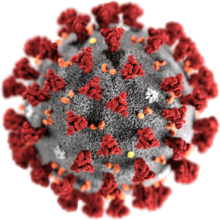 |
| 2019新型冠狀病毒(2019-nCoV)。 圖/ 路透社 |
As at Friday the 24th of January, a total of 1,320 confirmed cases had been reported for novel coronavirus (2019-nCoV) globally. That day Chinese health authorities also confirmed at least 15 new deaths in one day, raising the death toll to 41 in Wuhan, China.
在2020年1月24日週五,全球已有1320個新型冠狀病毒確診案例。當天,中國衛生當局也證實一日新增15個死亡案例,而中國武漢市的死亡人數提升至41名。
*筆者按:2020/02/04 09:00為止全球因武漢新型冠狀病毒的死亡人數為426人。
Furthermore, a total of 1,965 suspected cases have been reported from 20 Chinese provinces, regions and cities, with another 23 confirmed cases reported outside of China (9 countries in total).
再者,中國境內20個省、地區及城市已有1965個疑似感染案例,而中國境外有9個國家則共有23個確診案例。
How easily can this virus spread? 這新型病毒是多會傳染?
Experts don’t know exactly how it is passed on, or how easily transmission can happen. Many of the cases detected initially were tied directly to a market in Wuhan. But some of the subsequent infections were clearly examples of person-to-person spread.
專家們目前不能確知武漢新型冠狀病毒病毒是如何傳染,亦或是病毒易傳染的程度如何。許多檢測的案例最初是與一間位於武漢市的市場(武漢華南海鮮批發市場)有直接關係。不過,有些後續的感染者純粹是人傳人的案例。
During previous outbreaks due to other coronavirus (Middle-East Respiratory Syndrome (MERS) and the Severe Acute Respiratory Syndrome (SARS)), human-to-human transmission occurred through droplets, contact and fomites, suggesting that the transmission mode of the 2019-nCoV can be similar.
在先前其他種類的冠狀病毒(「中東呼吸綜合症冠狀病毒(MERS)和「嚴重急性呼吸綜合症冠狀病毒(SARS)」)疫情暴發時,人傳人的感染途徑是經由飛沬、肢體接觸及其他污染物,於是專家認為此次新型冠狀病毒的傳染模式應該相似。
The World Health Organisation’s (WHO) goal is to interrupt the transmission of the virus from one person to another in China and to prevent exportation of cases from China to other countries and territories.
世界衛生組織的目標是在中國中斷人傳人的感染途徑,並且防範感染個案從中國前往其他國家或地區。
What are the symptoms of this viral infection?這個病毒感染的癥狀有哪些?
As health officials have learned more, they’ve seen a broader array of symptoms, according to the WHO. Overall, health authorities say symptoms include cough, high temperature, runny nose and shortness of breath. A number of patients have been treated at hospitals and released within a few days.
根據世界衛生組織的說法,隨著衛生官員從疫情所習得的資訊越多,感染新型冠狀病毒所呈現的癥狀也更繁多。不過,整體而言,衛生當局表示癥狀包含有咳嗽、高燒、流鼻水及呼吸急促。部份感染者已在醫院接受治療並在幾天內出院。
*筆者按:可另參考疾病管制署的相關內容。
What should hotel operators do?旅館業者該做些什麼?
Hotel operators should respond quickly and start introducing preventive measures. This can be achieved through a combination of health measures, such as infection prevention for travelers, awareness-raising and risk communication. It is very similar to the SARS outbreak, which started 17 years ago.
旅館業者應儘速對疫情有所反應並著手相關預防措施。藉由綜合性的衛生預防措施是可以達成的,比方像是預防旅客感染、提高警覺性及風險溝通。這很類似於17年前SARS疫情暴發的處置狀況。
*筆者按:關於「風險溝通(risk communication)」可參考此篇文章針對食安議題所做的闡釋。
In practice, this can look like this:
在實務上,可以這麼做:
●Communicate with your staff and remind them of the importance of washing hands frequently;
(與員工溝通並提醒他們「經常洗手」的重要性)
●Provide sanitisers to your hotel guests and staff;
(提供殺菌消毒劑給酒店客人及員工)
●Inform your hotel guests that sanitisers are available and the hotel management has introduced risk mitigation measures;
(告知酒店客人「館內有提供殺菌消毒劑」以及「酒店管理團隊均已採取『風險減輕*』措施」之資訊,讓顧客安心。)
*筆者按:「風險減輕(risk mitigation)」意指「透過風險控管措施來降低風險的損失頻率或影響程度」
●Review your business continuity plans and carry out a table-top exercise to find out if your hotel operations are prepared for a worst-case scenario;
(審視您的業務連續性規劃並執行桌上演練以發現自家酒店的營運是否準備好面對最壞的狀況。)
●For at least until the situation is contained, please try to avoid handshakes;
(最起碼在疫情獲得控制之前,請試著避免握手之類的肢體接觸。)
●Disinfect anything a traveler would touch frequently, this can include but is not limited to, the call buttons in lifts, light switches, door handles, toilets, telephones and the reception counter. Be mindful, there is a risk of running out of hand sanitizer soon.
(旅客經常接觸的物品要消毒,而這包括但不僅限於電梯按鈕、電燈開關、門把、馬桶、電話機及接待櫃檯等處。但要留意乾洗手之類的用品裝置會快速消耗之危機。)
Considerations 注意事項
There are currently no vaccines available to protect anyone against human coronavirus infection. You may be able to reduce your risk of infection by doing the following:
目前人類冠狀病毒感染沒有疫苗可抵禦。但您可以用以下方式減少感染病毒的風險:
●Wash your hands often with soap and water for at least 20 seconds;
(經常以肥皂及清水洗手,每次至少20秒。)
*筆者按:洗手步驟可參考此網路連結。
●Avoid touching your eyes, nose, or mouth with unwashed hands;
(避免以未清洗的雙手接觸自己的眼、鼻或口。)
●Avoid close contact with people who are sick.
(避免與感染者或病人親密接觸)
「榮登」二次全球新型病毒傳播發源地(2003年在廣東,2020年在湖北)的中國,何時才能移風異俗,不吃野味、不破壞自然生態,不讓在自然界與人類相安無事的潛在病毒有報復反撲的理由與途徑?不得而知。(而巴西政府堂為土地開發者的商業利益開後門,破壞了亞馬遜雨林,會喚醒什麼原始病種來反撲人類也不得而知…)下方的「延伸閱讀」文章中,酒店防疫手冊之內容相當具體與詳細,不光是在病源(禍源)區的中國,在全球其他國家地區也適用(因參考各國相關規定與措施所彙編而成),相當有參考價值。
[延伸閱讀] 酒店高參: 收藏︱國際酒店(公寓)應該如何預防及控制傳染性疾病?
 派屈克沈的旅館園地