
本篇分享的文章計有上下兩篇,上篇著重於旅館在社區活化的功用與地位(影響力),下篇則是討論後疫情時代的品牌酒店業主(通常是國際連鎖酒店)在品牌既有的「翻修升級」規範下,能與品牌管理方(即國際酒店集團)就「資本投資」面向做出怎樣程度的協商與折衷。
老舊建物的「活化再利用」有時具有「保存歷史資產」的功能,有時創造「社區活化」的契機,有時也在「建築的環保永續性」的層面上提供貢獻。而旅館的進駐與融入社區在本篇位於美國三個城市的三間金普頓酒店(Kimpton Hotels)可作為範例。放眼台灣市場,似乎也會有合適的物件在未來陸續以風格獨具的金普頓酒店進駐台灣各城市當中。
至於物業翻修升級的議題,除了是旅館業者對於顧客的「責任義務」之外,同時也是品牌管理方對於產品(品牌)的生命週期、顧客體驗、潮流趨勢所做的管理與長期策略規劃之一。但巧婦難為無米之炊,尤其是大疫三年(2020~2022年)期間,國際與國內旅行因封城、邊境封鎖而停止,消費者也因公衛、健康的考量導致減少或停止出遊,這對於旅館業主而言是「刨根程度」的衝擊,沒有收入來源,哪來翻修升級的預算,一切都以「救亡圖存」為當時的最高指導原則,品牌管理方的收益也同樣受到衝擊。
時序來到後疫情時代,當各國各地區的經濟景氣逐步復甦,全球各地的旅行移動逐漸接近2019年之前的頻繁程度,旅館業主們的收益回升也連動著品牌管理方的規制標準之恢復。至於品牌方與業主之間是否要有「奪命追魂call」的逼迫、緊張關係,或可以因「收益復原期」之理由,有個短期緩衝協議。第二篇譯文後,將以台中公園智選假日酒店(Holiday Inn Express Taichung Park)為案例,小聊一下該品牌的升級改版與裝修的必要性。
旅館業是個專業且多元整合的產業,真正探究起來,是既有深度(專精)也有廣度(跨領域)的世界。從品牌(產品)研發(含會員制),旅館開發案初期評估、談判、追踪、籌備上線與營運,收益與服務品質的審核,人才發展規劃,產業與市場趨勢觀察與判斷,集團企業短中長期發展策略等,都是不容小覻的面向。雖然第一線的旅館服務人員與一般旅客難以理解、體會,但若能試著以宏觀的視野、「源頭的角度」(總部層級)去觀察這個產業,會看到一個十分精巧且光彩奪目的世界(但也有人事鬥爭、利字當頭的陰影),因為很多人投注專業與心力在打造這個世界。→「鐵齒金不換,誠實可靠小郎君」的筆者如是說(大笑→那是韋小寶吧?)。
OLD TO BOLD: HOW HOTEL ADAPTIVE REUSE TRANSFORMS COMMUNITIES
從老舊到大膽創新:旅館的活化再利用功能具社區轉型之效
April 11, 2023 Hotelsmag.com by Jack Paruta from Gensler
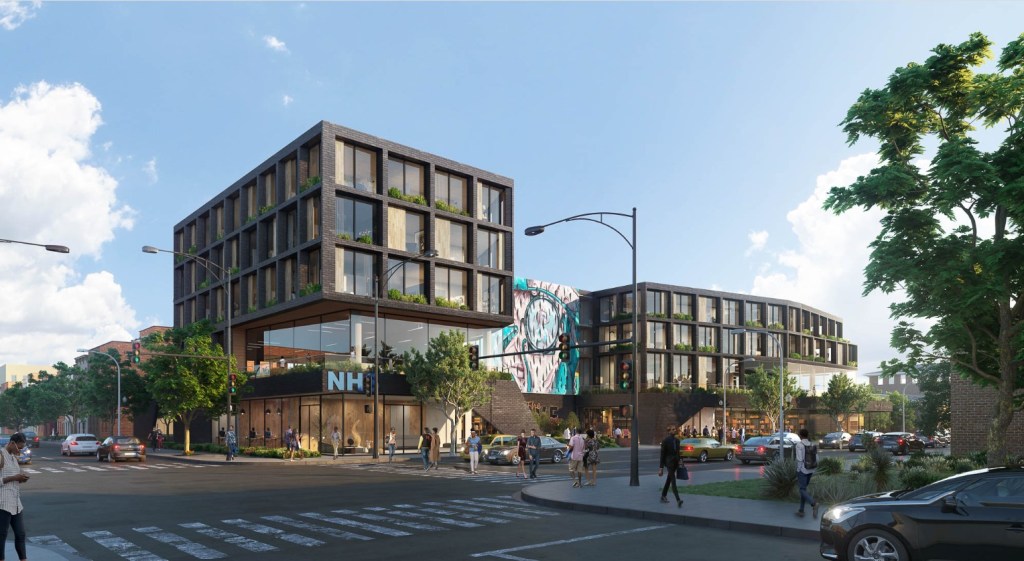
Much of the aging building stock that populates our cities’ skylines resides in or near obsolescence—particularly older, and sometimes historic, office and bank buildings. Many aren’t considered Class A and aren’t conducive to attracting new tenants and retaining the ones they have. According to a study from JLL, office vacancy rates sit at 19.1 percent across the board. That number is appreciably higher in outdated older buildings. Today’s employees expect a worthwhile experience from their workplace, which can be an economically challenging standard for building owners to meet. Time and time again, we see owners struggle and, eventually, their buildings lack care and fall into disrepair.
大部份組成城市天際線的老化建築物都處於或接近過時的狀態—尤其是老舊的或歷史悠久的辦公大樓與銀行建築。 許多建築物不屬於 A 級*,不利於吸引新租客和留住現有租戶。 根據仲量聯行的一項研究,辦公室空置率佔總體的 19.1%。 而單就過時老舊建築的區塊來看,空置率更顯著上升。 現今公司企業的員工期望他們的工作場所在硬體上是可以久待的、使用舒適的,這對於商辦大樓的業主來說可能是一個具有財力挑戰性的標準。 一次又一次,我們看到業主在改建裝修上掙扎糾結著,而他們的建築大樓終究因缺乏維護而年久失修。
*筆者按: 台灣商用不動產市場所認定的「A級辦公大樓」,無統一的成文定義,但有幾個公認的重要條件,包括位於商業中心、交通可及性高、大樓較新穎、管理優良、有知名公司進駐、產權統一與單層樓地板面積逾400坪。
In today’s real estate climate, adaptive reuse has become a key strategy for revitalizing economically obsolete structures into thriving centers of community that meet the needs of today’s users. In 2022, the AIA found that renovations, rehabilitations, additions and historic preservation comprised 50% of design billings for the first time, demonstrating its ascending adoption. Often, we find vintage buildings 50, 75 or 100 years or older can be well-suited for adaptation to hotels.
在現今的不動產環境下,「活化再利用」的議題已成為一項重要策略─將經濟層面上過時的建築再度振興為社區裡滿足當前使用者需求的繁榮中心。 在2022年,AIA (The American Institute of Architects) 發現翻新、修復、增建和歷史建築保護首度佔建築設計費用的五成,這顯示採行「老舊建物活化利用」的比例不斷上升。 通常,我們發現具有50年、75年或100年甚至年代更久遠的經典建築相當適合改建成為旅館酒店。
PRESERVING HISTORIC ASSETS (保存歷史資產)
The craft of historic buildings of the late 19th and early 20th centuries represent authenticity and reflect the identity of the eras they were built—think Greek Revivalist and Beaux-Arts style buildings. Their unique characteristics register with today’s generation of travelers and urban residential dwellers. Today’s travelers seek accommodations that are contextual and part of the fabric of a destination’s history versus copy and paste structures that look and feel as though they could be anywhere. Many “must-see” cities have earned these accolades thanks to the historic assets that give their neighborhoods an identity. Adaptive reuse not only saves these buildings but preserves the character and repurposes them for years to come.
19 世紀晚期和 20 世紀早期的歷史建築之工藝如實地表現與反映出它們所建造時代的特徵—想想希臘復興主義和學院派風格(美術風格)的建築。 他們獨特的特色引起了當今一代的旅行者和城市居民的注意。 現今的旅人尋求與目的地之歷史發展脈絡有所關聯的下榻處,而非看似及感覺能在世界任一地方複製貼上卻都沒有違和感。 許多「(此生)必看」的城市憑藉著賦予其社區特色之歷史資產贏得如此讚譽。 活化再利用不僅可以拯救這些建築,還可以保留其特色並在未來幾年為它們重新規劃新用途或功能。
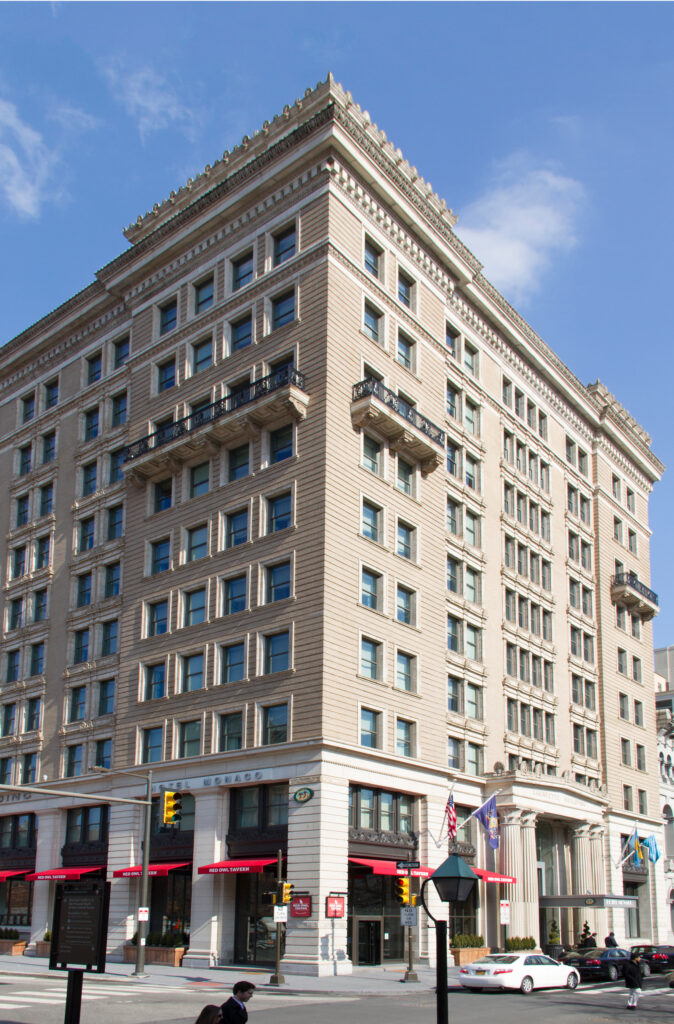
One such building is Philadelphia’s Lafayette Building, centrally located within one of the most historic blocks in America:. across the street from Independence Hall and the Liberty Bell. It sat vacant for more than 15 years, virtually unsellable. Following due diligence to determine its reuse capability, the building was acquired and converted from its original office function to the Hotel Monaco, a 270-room, LEED Gold-certified boutique hotel. It was rehabbed completely inside and out with careful preservation of its Greek Revivalist style and thoughtful interventions for the new use.
其中一個案例建築是美國費城的拉法葉大樓,它位於美國歷史最悠久的街區之一的中心位置, 在美國獨立紀念館及自由鐘的對面。 它閒置了超過15年,幾乎賣不掉。 經過盡責(職)調查以確定其再利用的程度後,該棟建築被收購並將其從原本的商辦改裝為費城金普頓摩納哥酒店(Kimpton Hotel Monaco Philadelphia),這是一家總客房數270間、有 LEED金級認證的精品酒店。 這棟建築從裡到外經過徹底的修復,精心保留了其希臘復興主義的建築風格,並為旅館的新用途做了深思熟慮的規劃指導。
Tax incentives were a crucial contributor to the success of the hotel, enabling the owner to utilize several million dollars in state and federal historic tax credits. These tax programs provide attractive incentives to owners and developers considering historic building renovations and can make the difference in bringing a project to fruition, physically and financially.
稅收優惠是旅館營運成功的重要因素,這讓旅館業主得以運用數百萬美元州與聯邦政府的歷史建築稅收補助額。 這些稅收補助方案為評估歷史建築翻新的業主和開發商提供了具吸引力的獎勵,並且確實能影響開發案在實務上和財務層面上的成功與開花結果。
REVITALIZING NEIGHBORHOODS (活化鄰里社區)
Not only does adaptive reuse make financial sense, it’s an effective strategy for revitalizing neighborhoods and spurs redevelopment. The Palladian Building in the Belltown section on Seattle’s northern downtown edge is another example of a neglected building in a significant context. In the early 90s, the grunge music movement began at the Moore Theater across the street in a low-rent, semi-industrial arts district. The struggling neighborhood was on the early cusp of an investment and population boom. Converting the building to an 82-room hotel and restaurant boosted the momentum and brought a prominent corner back to life. It was a key contributor to the influx of trendy restaurants, boutiques, galleries and residential towers. Projects like The Palladian redevelopment reverses decades-old thinking that demolition, versus preservation, saves neighborhoods.
活化再利用不僅具有財務面的意義,同時也是振興社區及促進重新開發的有效策略。 美國西雅圖市中心北部貝爾敦區的帕拉第奧大樓是另一個具有重要歷史背景卻被忽視的建築案例。 90 年代初期,該棟大樓對街的摩爾劇院(Moore Theatre) 開始了頹廢搖滾的音樂運動,該劇院位於租金低廉、半工業風的藝術區。 這個艱苦求生的社區當時正處於投資湧入與人口增長期的早期分界線。 將該棟大樓改裝成總客房數82間並配置餐廳的酒店*,增強了社區開發的動力,並使大樓所在的「三角窗」(→閩南語指「二面接鄰街道或在路口轉角處」的建物」)位置恢復商機活力。 它是時尚餐廳、精品店、畫廊以及住宅大樓紛紛湧入的重要因素。 像帕拉第奧大樓重建案的類似開發項目顛覆了幾十年來人們認為「唯有拆除而非保存才能拯救社區生機」的想法。
*筆者按: 該棟大樓目前為總客房數97間的金普頓帕拉第奧酒店(Kimpton Palladian Hotel)。
ENVIRONMENTAL BENEFITS (環境層面的好處)
Now more than ever, sustainability needs to be at the forefront of development. Architecture 2030 shows that the building industry generates nearly 50% of annual global CO2 emissions. Together, we have a collective responsibility to minimize the impact of the built environment on climate change. With adaptive reuse, we’re minimizing the carbon associated with making buildings, including material extraction, manufacturing, transportation and construction—and instead utilizing the embodied carbon of existing buildings. Adaptive reuse stands as a strategy to significantly reduce demolition, carbon emissions, waste, and preserve what already exists. The greenest building is one that’s already built.
現今比以往更需要將「永續性」擺在不動產開發之前。非營利組織 Architecture 2030 表示,建築產業所產生的二氧化碳排放量佔全球每年排放量的近五成。 我們肩負著共同責任,應盡量減少建築環境對氣候變遷造成影響。 透過建築活化再利用的方式,我們正在減少與建築工程相關的碳排放,包括建材開採、生產製造、運輸及施工—並利用既存建築的隱含碳(實體碳)來替代。 活化再利用是一種顯著減少拆除工程、碳排放、廢棄物以及保護現存資產的開發策略。 最環保的建築是既成建築。
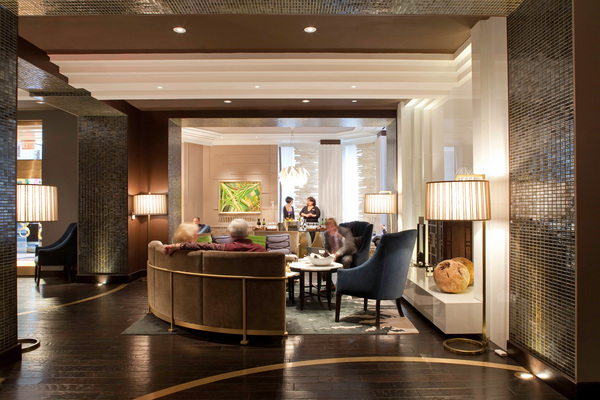
Philadelphia’s Architects Building in the Rittenhouse Square neighborhood is one example of an architectural adaptive reuse project come full circle. Built in 1920 as an art deco high rise serving the design and building trades, including the local chapter of the American Institute of Architects, it struggled for decades with largely vacant and floundering street level retail. The property was purchased and converted to the 230 room Hotel Palomar, one of the first LEED-certified hotels in the city, employing numerous resilience strategies: energy efficiency, higher performing fenestration, HVAC systems, water conservation and more.
同樣位於費城里滕豪斯廣場附近的建築師大樓(Architects Building)是另一個建築活化再利用項目的例子。 建築師大樓興建於1920年代(1929年完工),是一座裝飾藝術風格的高樓建築(樓高24層),作為設計與建築業的辦公大樓,包括美國建築師協會的當地分會。幾十年來,該棟大樓一直在與大量閒置的辦公空間以及街邊零售業者之間競爭求生。該棟物業被收購後改建成總客數數230間的帕洛瑪酒店*,並且是費城首批獲得 LEED 認證的酒店之一。這間LEED認證的酒店採用了多種具彈性(韌性)的永續策略:能源使用效率、更高效能的開窗工法、空氣調節(HVAC)系統、節水等。
*筆者按: 該棟大樓於2009年完成改裝工程並以費城金普敦帕洛瑪酒店(Kimpton Hotel Palomar Philadelphia)營運至今。
As designers and architects, we have the privilege and responsibility to make the most of our existing building stock. After all, 80% of the buildings that will exist in 2050 stand today. By transforming outdated buildings into viable new uses, we can convert properties that were once detractors into thriving contributors that align with the desired user experiences of today’s age. Adaptive reuse is an important strategy to preserve the past and bring back to life important pieces of the fabric of our cities and anchor of their neighborhoods.
身為設計師和建築師,我們有特殊權力與責任以充分規劃運用既存的建築。 畢竟,現今存在的建築到了2050年仍會有八成屹立著。 藉著將過時老舊的建築改造成為可行的新用途,我們能把曾經一度被低估的建物轉變成與符合現今所需的用戶體驗之社區繁榮貢獻者。 活化再利用是一個重要資產運用策略,它除了能保存歷史,也能將建構城市的重要部分與社區重心恢復生機。
Required Renovations for Branded Hotels Ramp Up, but There’s Room for Negotiation
品牌酒店所需的翻新工程增加,但仍有協商空間
Hotel Owners Look for Ways To Stretch Their Renovation Dollars (酒店業主想方設法將翻新工程的預算發揮最大效益)
April 11, 2023 09:11 P.M. Hotel News Now by Bryan Wroten

In the push and pull over hotel property improvement plans, asset managers say there’s still room to negotiate.
在酒店物業改善計劃的拉鋸戰中,資產管理經理人表示這其中仍有談判空間。
As the U.S. hotel industry continues its overall recovery from the pandemic, hotel brands have been increasing the pressure on owners to make some capital improvements, many of which are long overdue according to traditional PIP timelines. Owners, in turn, are trying to build back cash reserves and focus any work on what will provide the biggest return on investment.
隨著美國酒店業持續從新冠肺炎疫情中全面復甦,酒店品牌方一直在向酒店業主施加更多的壓力於酒店資本精進方案,因為依據傳統的績效改善計畫(Performance Improvement Plan)時程表來看,其中有許多資本精進方案早就該進行了。 相對地,酒店業主們也試圖重建現金儲備,並將所有工作重心放在能提供最大的投資回報之項目上。
These two interests aren’t necessarily competing, hotel asset managers told HNN. There’s a middle ground owners can find with brands by focusing on the improvements that will most improve guest satisfaction scores while staying in line with brands’ newer standards.
酒店資產經理人對HNN(Hotel News Now)表示,這雙方利益不見得是彼此競爭、對立的。 透過專注在最能提高客人滿意度的資本精進方案選項,同時與品牌方更新的標準規格保持一致,酒店業主可以找到與品牌方之間的居中立場。
Setting the Stage (提早舖路,做好準備)
Many hotel owners had to push off renovation projects in 2020 and 2021 because it was all about survival then, said Loren Balsam, chief investment officer and executive of advisory for HotelAVE. The owners were trying to keep their business afloat and hold on to equity, and the brand companies understood the situation and paused PIP requirements.
美國酒店資產管理顧問公司 HotelAVE 投資長暨諮詢主管 Loren Balsam表示,許多酒店業主不得不推遲2020年及2021年的酒店翻修計劃,因為當時只求能生存下來。業主們試圖維持他們的事業得以周轉順利並且保住權益,而品牌公司理解這狀況也暫停對於績效改善計畫的要求。
“They weren’t in a position to force owners, plus there really wasn’t capital to do the renovations,” he said.
Balsam說:「品牌方無法強迫業主,況且業主也確實沒有資金進行升級改裝。」
Most brands suspended quality assurance reviews of hotels, said Chad Sorensen, managing director and chief operating officer at CHMWarnick. When those reviews started to ramp back up, many were virtual, which wasn’t as effective as in-person, he said.
另一間美國酒店資產管顧公司 CHMWarnick 的董事總經理暨營運長 Chad Sorensen表示,大多數的品牌方都暫停了對旗下酒店的品質保證審查。 他說,當這些審查開始增加時,很多都是表面的形式,效果仍未若親自審查。
Customer service scores dipped in almost every segment in every type of hotel during the pandemic, he said. That’s a major issue for brands, so they’re bringing back the quality assurance process faster than most owners would like. That means there isn’t a lot of flexibility to kick the can down the road for big projects, and they’re expecting owners to step up to reinvest capital into their properties.
Sorensen說,在新冠肺炎疫情大流行的期間,每種類型的旅館酒店幾乎在每個面向的顧客服務評分都下降了。 這對品牌管理公司來說是一個大問題,於是他們以大多數業主所期望的時間點更早恢復了品質保證的審查流程。 這意味著大型開發案的業主已沒有太多的彈性空間可以延宕推辭,同時品牌方希望業主們能趕緊將資本再投資到自家酒店中。
At the same time, owners, operators and brands had to lock arms as they helped each other through the worst of the pandemic, Sorensen said. Brands have been empathetic with owners, and with owners recognizing what’s important to brands, they are able to have two-way conversations about renovations.
Sorensen 接著說,與此同時,酒店業主、營運商以及品牌商曾緊密互助以渡過新冠肺炎疫情大流行最嚴重的時期。 品牌商對於業主能有同理心,而酒店業主也認清什麼事情對品牌商很重要,因而雙方能就硬體裝修層面進行雙向溝通。
“I think the brands are willing to be more flexible in timing and phasing in the approach to a project,” he said. “There’s been no time like now where the brand and owners need to work together. They’re never going to agree on all of it. Generally speaking, everybody’s trying to be collaborative and accomplish everybody’s goals in a period where it’s just really challenging.”
他說:「我認為品牌商願意在時間安排和分階段施工方面給予更多彈性。沒有像現今這般品牌商和酒店業主需要共同努力的時刻了。 他們一直很難在所有改裝升級的項目上達成一致共識。 一般來說,品牌商與酒店業主都試圖在一個相當有挑戰性的時期共同合作並達成各自的目標。」
Finding the Balance (尋求平衡點)
Hotel owners will always want to prioritize guest-facing areas because they affect the guest experience the most, Balsam said. That could include things like new mattresses, TVs with streaming packages or bathroom upgrades.
美國酒店資產管理顧問公司 HotelAVE 投資長暨諮詢主管 Loren Balsam說,酒店業主總是希望優先考慮改裝旅館中會接觸顧客的區域,因為這些區域對顧客體驗的影響最大。 這可能包括新床墊、配置串流平台功能的電視或者浴室升級等。
The brands’ wish list for renovations sometimes include things like lobby updates and scraping the stucco, or “popcorn,” finish off of guestroom ceilings, he said. Many brands have moved to an open-closet design in guestrooms, and owners likely won’t want to prioritize that because guests don’t select hotels because of the closet experience.
Balsam說,這些品牌管理方的「裝修願望清單」有時包括大廳更新工程和刮除掉沾染客房天花板的裝飾灰泥(或「爆米花」)。 許多品牌方已把改裝方向轉到客房的開放式衣櫥設計,但酒店業主可能不想優先考慮這方面的改裝,因為客人不會因為衣櫃的使用體驗(衣櫃的設計)而選擇入住的酒店。
“Those are things I think owners are probably going to continue to push back on,” Balsam said.
Balsam說:「這些是我個人認為酒店業主可能會繼續反對的事情。」
The brands are coming back to what they could consider to be their normal scope of work for both the seven-year cycle with replacing soft goods and the 12- to 14-year cycle for full renovations, said Neil Flavin, chief operating officer at HVS Asset & Hotel Management. However, they’re willing to negotiate to make sure the primary pillars of the brand — the trademark pieces of a hotel — are taken care of.
HVS 資產與酒店管理公司執行長 Neil Flavin表示,品牌管理方正回歸到他們所認定的「正常品牌管理範圍」,包括客房紡織品的7年更新周期以及客房全面改裝的12至14年周期。 然而,品牌管理方願意透過協商談判以確保品牌的首要基礎— 酒店商標 —得以保全。
Owners are able to go a little off the mark to accomplish these goals, he said. They haven’t been able to fully replenish cash reserves, and the brands understand that to some extent.
Flavin說,酒店業主可以不用那麼精準達成這些品牌裝修目標,因為業主實際上無法完全補足資金儲備以進行升級裝修,品牌管理方在某種程度上是理解這一點的。
“They are continuing to bend a little whereas in 2018, 2019, they may not have bent at all,” he said.
他接著說:「品牌管理方會繼續睜一隻眼閉一隻眼一陣子,不過反觀在 2018年、2019年,他們可能根本沒有討價還價的餘地。」
Brands are also willing to negotiate on areas that have been improved somewhat within the past five years, Flavin said. They still have to look good and be presentable, and that’s possible given many hotels had few guests for about a year and a half.
Flavin 說,品牌方也願意就過去五年內有進行升級改善的部份進行協商。 這些部份必須依然看起來美觀且得體,而這是可能的,因為許多酒店在大約有一年半的時間少有顧客進出、住宿。
“The wear-and-tear factor was not as great as it would have been during normal operating times,” he said. “They’re willing to accept, in many cases, appearance and condition for an additional period of ‘X’ instead of demanding that be done today.”
他接著說:「客房磨(耗)損的因素沒有正常營運期間那麼大。 在許多情況下,品牌方願意接受設施、物件的外觀和狀態在額外的工期內完成,而非要求今天達標。”
Future of PIPs (績效改善計畫的未來)
Every owner and brand company are talking about the PIP life cycles and whether there are ways to stretch them out, Sorensen said. That conversation sometimes centers on hotels that were lightly used during the pandemic and didn’t experience the usual wear and tear. That could mean the guestrooms, furniture, fitness equipment and other parts of the hotel wouldn’t need to be replaced or updated according to the traditional schedule.
美國酒店資產管顧公司 CHMWarnick 的董事總經理暨營運長 Chad Sorensen表示,每個酒店業主和品牌管理公司都在談論績效改善計畫的循環週期以及是否有延長週期的方法。 他們的溝通商議有時是聚焦在疫情期間少有顧客光顧的酒店其實並未有一般營運所產生的常態磨(耗)損。 這可能意味著酒店的客房、傢俱、健身器材及其他服務設施不需要依照過往既定的時程表進行更換或更新升級。
“From a timing perspective, [the brands] say it’s time, but if it’s still in good condition and the hotel is being used, generally speaking I think the brands are open to those discussions,” he said. “You just have to be somewhat strategic.”
Sorensen說:「從適用時機的角度來看,(品牌管理方)說『該是改裝升級的時候了』,但如果硬體設施仍然處於良好狀態並且酒店業者也在使用中,一般來說,我認為品牌方對於這方面的討論商議會抱持開放的態度。酒店業主只需要帶點策略來談。」
Things like this require collaboration, and owners can’t just ask to push off everything, Sorensen said. If there are areas that need to be addressed, those will be more difficult to delay.
Sorensen接著說,像這樣的狀況就需要協調合作,酒店業主不能一昧要求推遲改裝升級的工作。 如果確實有需要處理解決的部份,這就將更難拖延。
Balsam said they’re working with owners and brands on how to make case goods and soft goods last longer, potentially stretching the seven-year cycle to 10 years or longer for certain items. One example is how some brands have moved to hard-surface flooring instead of carpet as their new standards. Carpet typically gets replaced after seven years, but with hard-surface flooring, that could stretch to 10 to 12 years.
美國酒店資產管理顧問公司 HotelAVE 投資長暨諮詢主管 Loren Balsam說,他們正在與酒店業主及品牌管理公司合作,研究如何使箱櫃傢俱與紡織用品的使用年限更長,可能會把某些品項的7年使用周期延展至10年或更長時間。 有個例子是,一些品牌管理公司已試圖將硬質地板而非地毯作為品牌新規範。 地毯通常在使用7年後需要更換,但如果是硬質地板,則有機會將更換周期延長至10到12年。
That conversation is necessary as owners face challenges with accessing capital, Balsam said. It’s uncertain whether this is a short-term problem or it’s a more systemic issue that will be the new reality for the industry.
Balsam 接著表示,由於酒店業主在取得資金方面遭遇挑戰,因此這類的協商溝通是必要的。 不確定這樣的狀況是一個短期問題還是一個相對系統性的問題,若是系統性問題,就會成為業界的新現實。
“What are the types of case goods and renovations, what are the things that we can put in that we can get more mileage out of?” he said.
Balsam 說:「業主要弄清楚的是『需要更新的箱櫃傢俱品項』以及『裝修更換的方式』有哪些,還有哪些物件品項可以擺進酒店空間內以從中獲得更多好處、效益?」
As hotel owners prepare for any kind of capital project, they need to keep in mind that materials and construction labor costs are up, and they’re not going to come down, Flavin said. That means the traditional 4% of revenues set aside for capital improvements is not enough — and likely wasn’t enough pre-pandemic, either.
HVS 資產與酒店管理公司執行長 Neil Flavin也表示,當酒店業主在為任何類型的資本項目做準備時,他們需要牢記的是,建材物資和建築勞動力的成本正在上升,而且不會下降。 這意指過往傳統規則、通例上,提撥4%的收益用於資本改善(精進)是不足的—就算是在新冠肺炎大爆發前的承平時期,可能也不夠。
“Four percent reserves on an annual basis is not enough unless an owner has the wherewithal to write a very large check when a renovation is due,” he said. “The number in order not to write a check needs to be a minimum of 8% these days.”
Flavin說:「每年收益的4%之儲備金是不夠的,除非酒店業主有足夠的資金在裝修翻新工作屆滿到期之際開出一張巨額的支票。現今,為了不開巨額支票,資本儲備金至少要達到每年收益的8%之程度才行。」
[寫在文末]
不用打「高射炮」(高大上的品牌),把智選假日酒店當實務案例就很足夠。
筆者曾經在先前的文章或臉書貼文提及「智選假日酒店(Holiday Inn Express)」的品牌1.0版與2.0版差異與在台分佈的據點,在2022年以前,桃園智選假日酒店及台中公園智選假日酒店屬於1.0版本,而後繼開幕的台中逢甲智選假日酒店、嘉義智選假日酒店及高雄愛河智選假日酒店則為2.0版本(由北向南排序),相對新穎有設計感。而在2022年第三季起,台中公園智選假日酒店開始陸續進行品牌升級改裝工程,從高樓層客房開始改裝,而有了下方相關圖片資料 (而桃園智選假日酒店,就側面消息指出,正規劃改裝工程,至於期程尚未完全確定):
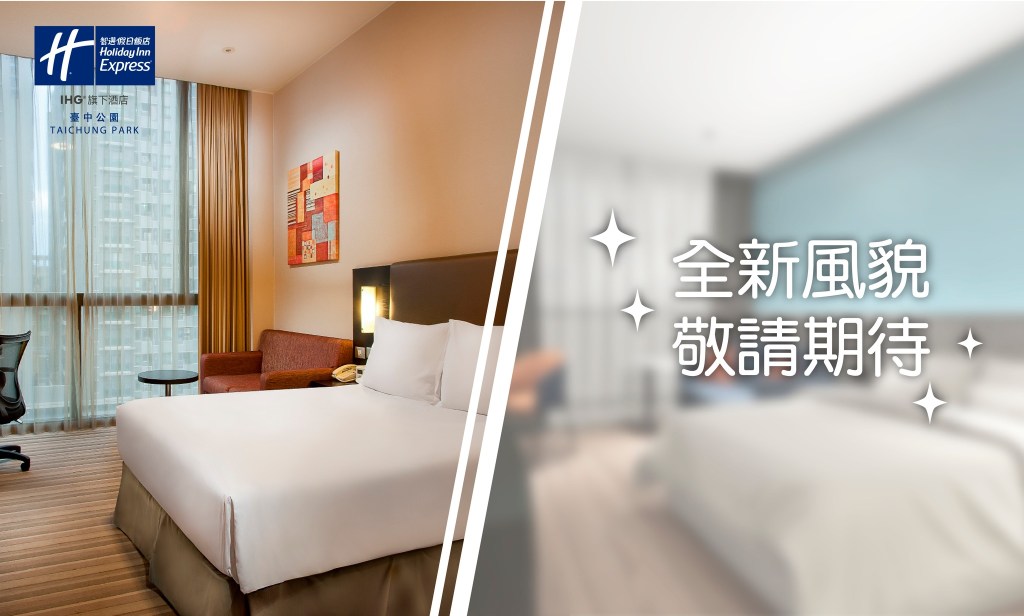
筆者過往入住台中公園智選假日酒店多次(蠻多房晚),因為除了交通位置便捷外(距台北地區也不遠),平日入住的價格也實惠(房價均包含早餐),是筆者過去累積小金卡與獲得集團促銷獎勵的好幫手(→疫情這二、三年被萬豪集團「放大絕」程度的全球大促給吸了過去而較少入住。呵呵~~)。不過,自2008年11月開幕至近幾年,越到後期越感到的旅館老舊,尤其是磨損程度高的客房地毯,而床頭區域乃至於沙發也有「古意」,雖然清潔程度仍維持一定水準,但會有「不忍卒睹」的感受。

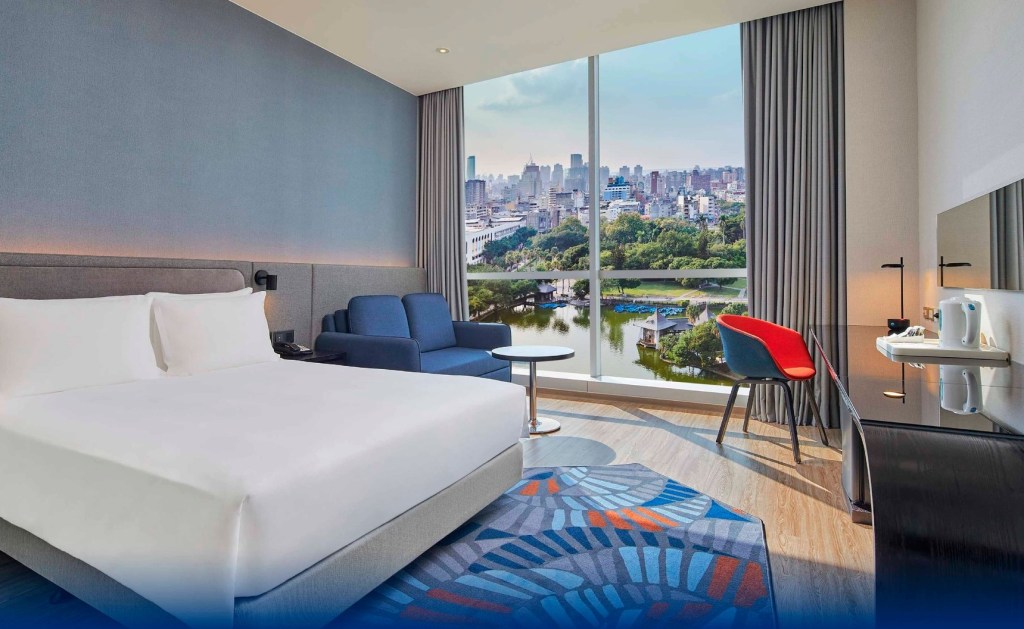
以筆者在2022年12月上旬入住高樓層客房時所見,感覺比上一個版本舒適且「新」,原本磨損頗嚴重的地毯改成木紋地貼,相對好清理與維持,也美觀,而床頭區、沙發、書桌區、衛浴都有新意。
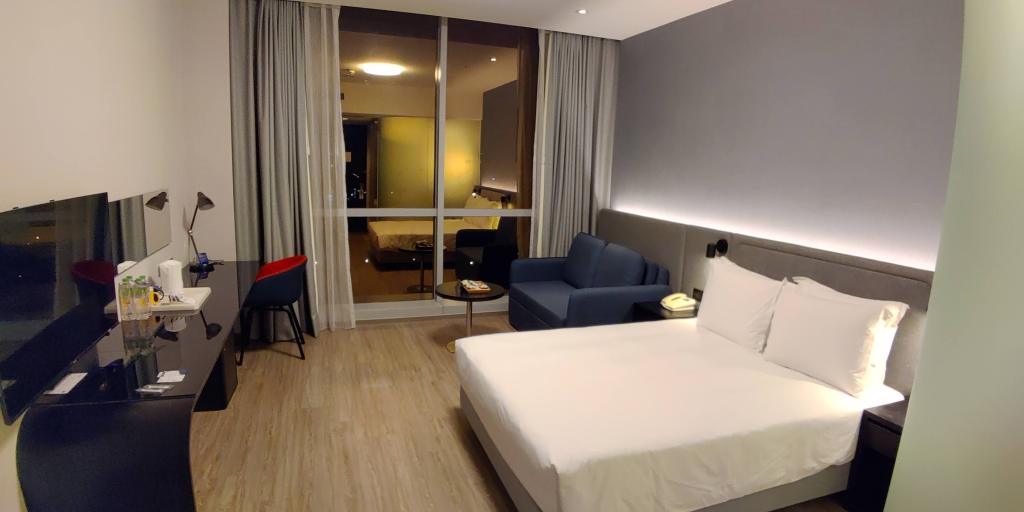
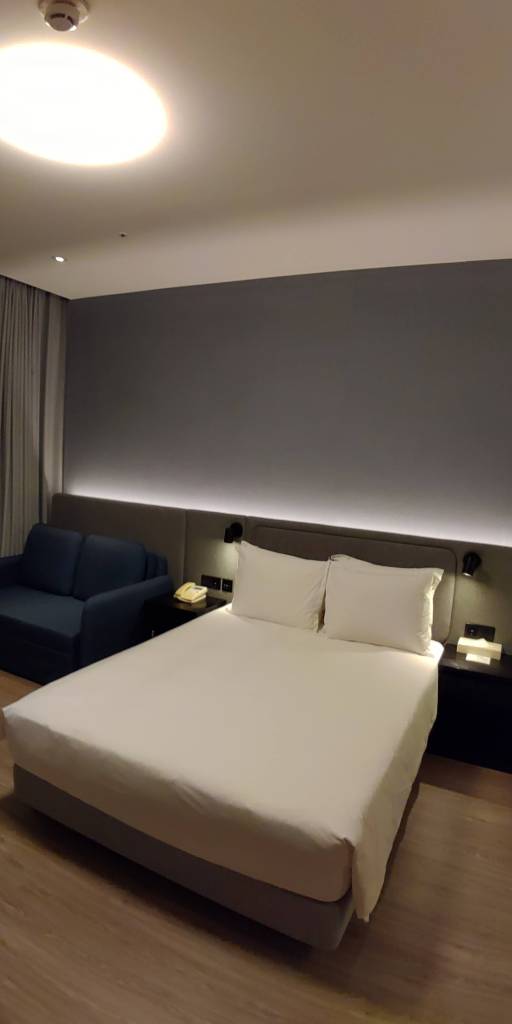

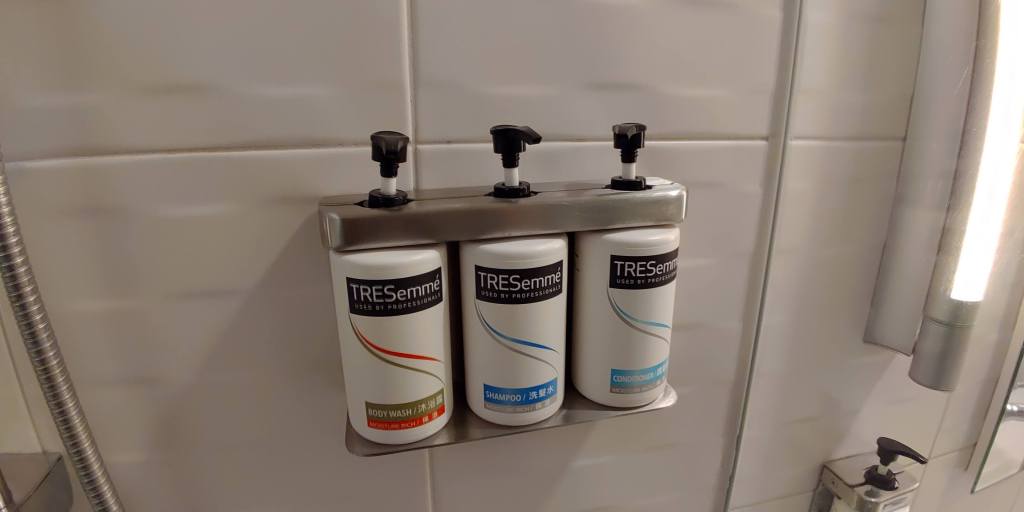
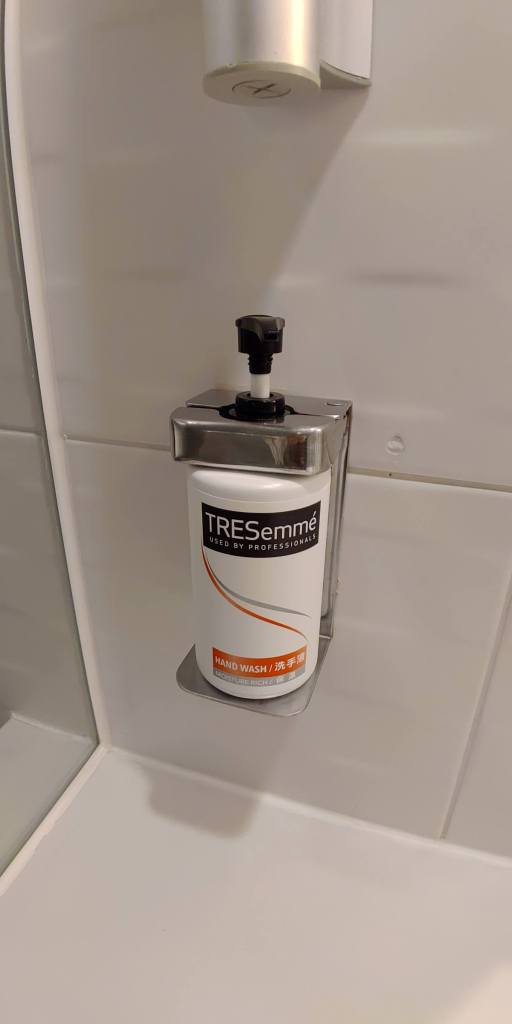
台中公園智選假日酒店的業主原本將位於日曜百貨中庭、提供早餐的餐廳空間外包給「丰盛町」,並以全日餐廳的形式經營一段時間,後來因為「洲際集團的品牌要求」+「日曜百貨調整櫃位」,將餐飲空間「智空間」移至三樓。改裝工程已於今年3月下半月進行,4月1日全新開幕,符合品牌2.0版本的規制,同時令顧客、會員耳目一新,住宿體驗也升級。
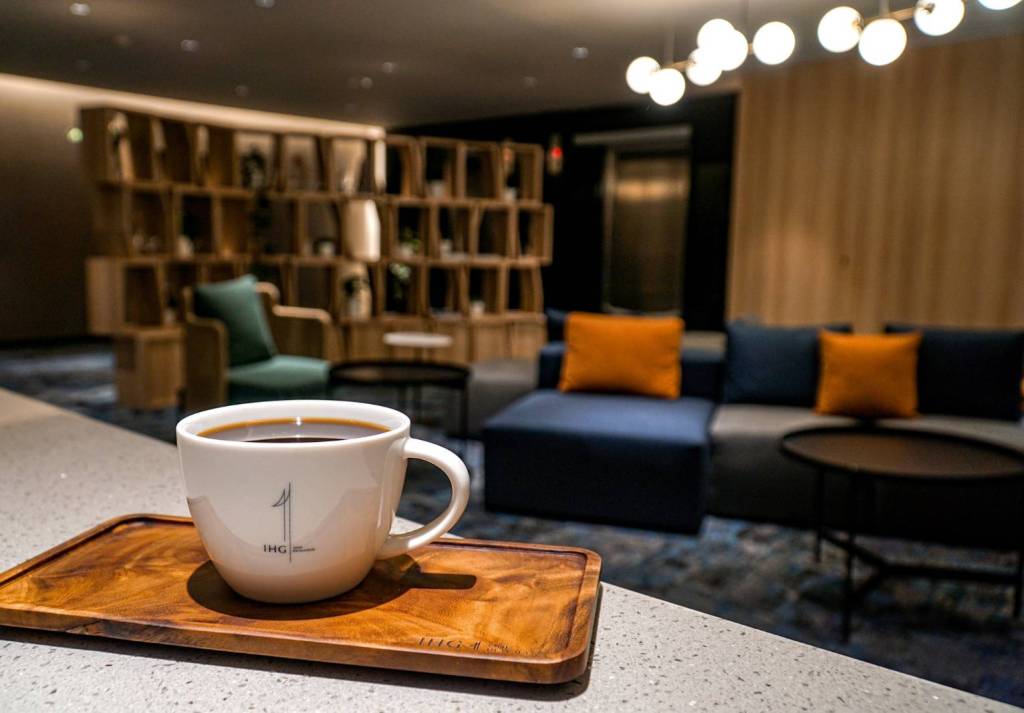
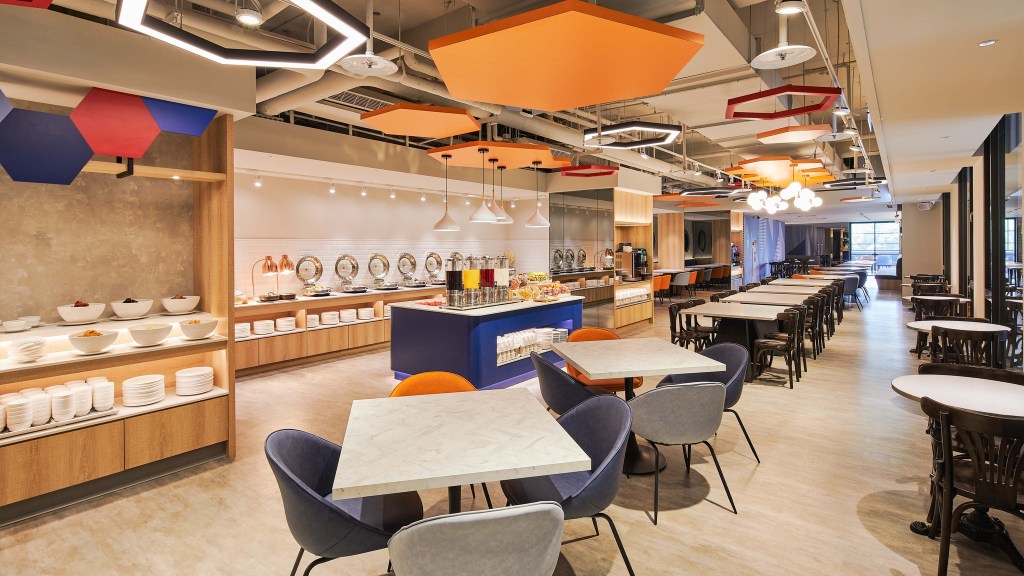
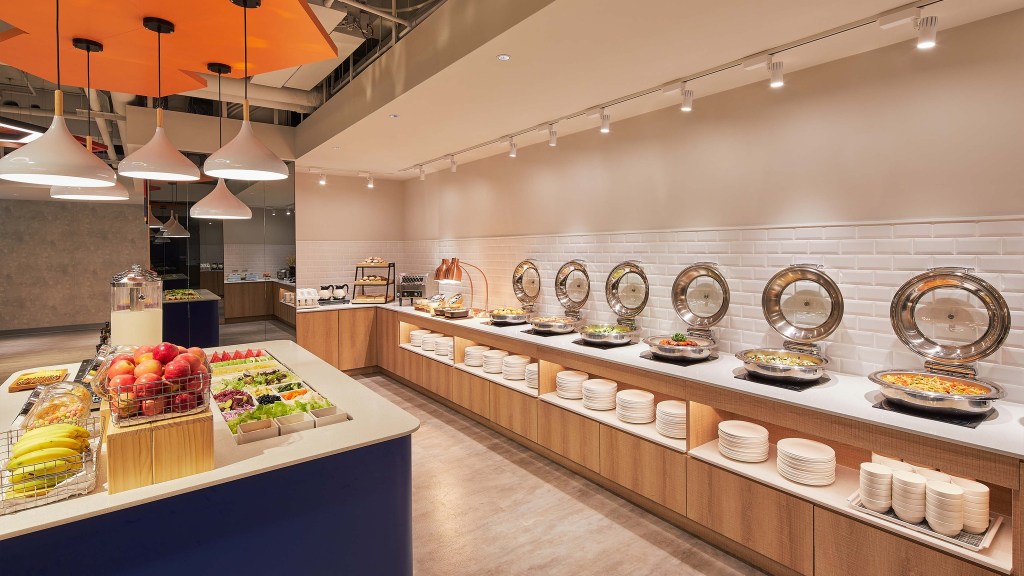

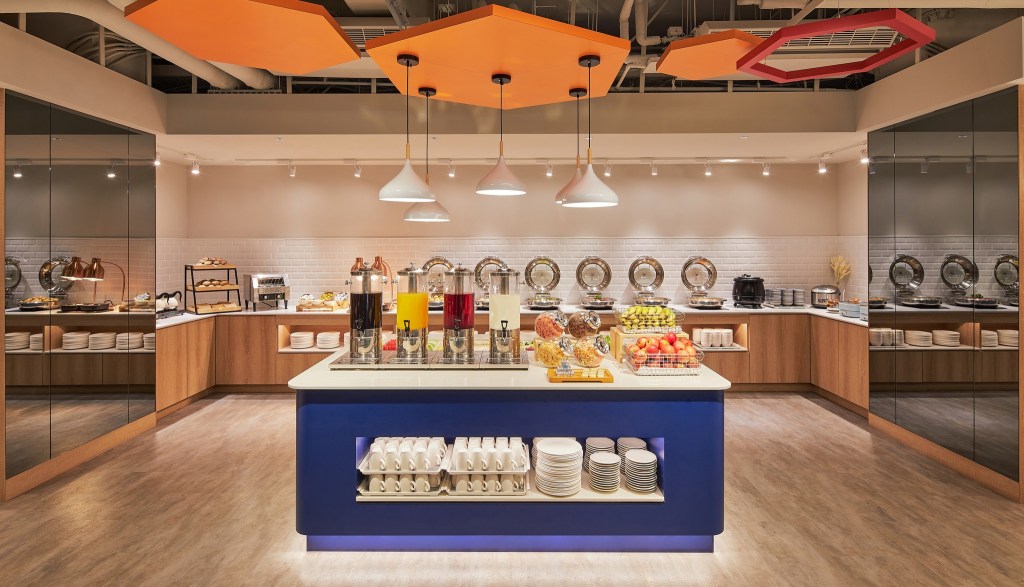
相信讀者們看過圖文後可以有一定程度地了解「品牌升級改版的必要性」,這除了可以延長品牌的生命週期(品牌管理方而言),也能有效改善顧客體驗、滿意度以及收益程度(業主與品牌管理方二者而言)。雖然這花的是業主的錢(且早已白紙黑字,簽約同意),但這種「資本投資 (capital investment)」是必要的。
 派屈克沈的旅館園地
在〈物業的傷筋動骨為哪椿? 社區活化、顧客滿意及旅館品牌標準〉中有 1 則留言