
當時間逐步入二十一世紀,世代的更替變得快速,而隨著科技與醫療發展,人類平均壽命也隨之增長,於是,日本對於50歲以上的健康初老族有著「橘世代」稱呼,這樣的熟齡族群通常積極參與社會、獨立自主並且維持良好的生活品質,這同時表示此族群有相當的經濟基礎,商人自然會嗅到商機,想方設法「採礦」、「淘金」,近幾年吹捧著橘世代的商業策略自然不在話下。至於時間複利程度與時機財未若這些初老族(包含一部份的X世代)及戰後嬰兒潮世代(Baby Boomers)來得有利的千禧世代與Z世代,可能會有著相對剝奪感,因為時機與資源幾乎被搶得先機,就連搭個大眾交通工具也被中氣十足、手腳俐落的資深公民們從博愛座上驅趕離開,造成三不五時的小規模世代衝突(冏…)。不過,社會階級複製的強大力量,使得同樣是新世代者也有著不同的命運。
平心而論,時代的變革與人類生命的「終有時」,使得世代的交替成為「必然的結果」,「觀前不顧後」可說是種「自我刨根」的行為,實因顧此失彼,最終會成為兩頭空─ 來不及建立起新世代客層的忠誠與信賴度,同時舊世代客群又紛紛減損,何苦來哉?在現今科技日新月異的年代,新科技的掌握與熟稔往往是新世代所具有的相對優勢,畢竟從小浸淫在數位與行動通訊的世界裡,總會有先備能力(Prerequisite Capacities),如此地「反向平衡」橘世代與資深公民的優勢,顯示世代議題必需走向「多元共生」與「求同存異」的因應方式,對立與相互攻訐的共存模式不具任何積極意義與價值。
「國家地區」客群與「世代」客群一樣都需要以「多元共存」的角度來看待。想要「耍任性」地偏廢?像是台灣不需要大陸客,只要南向政策就足以補足,實屬不智。尤其近幾年因防疫、政治立場與日幣大貶,使得部份台灣人所不齒但其他國家很愛的中國旅客完全繞過台灣,而一般日本旅客因日幣貶值導致基本生活花費大增,海外旅遊的必要性越來越低,「當時」以日客為尊、陸客可有可無、不在意其他客群的台灣業者們如今也是有點啞巴吃黃蓮,或許日本等國的商務客在新冠疫情之後的來台程度看似有挺住業績,但要恢復至過往榮景則未必。詭異的是,原本不在意陸客市場的部份觀光股上市公司們(比方絲絲集團)卻因開放陸客來台的消息而使得股價應聲上漲,但他們來自陸客的收益「微乎其微」,這不理性的投資似應有所調整,或許也只是投資(機)者的炒短線罷了,業者則是樂得「蹭到熱度」。
至於,將這二個集合(世代、地區客群)的交集─ 亞太區的千禧世代與Z世代加以分析與討論,則是本篇來自於萬豪酒店集團新聞中心的文章內涵。真有心去觀察分析者,自然會以相對理性客觀的方法去進行調查與探究,雖然本篇仍舊帶有行銷的目的,但文中所述仍可做為了解亞太區新世代旅客「心之所向」的參考依據,算是「營養程度」蠻高的文章。一起來看看。
亞太區 Z 世代和千禧世代尋求透過單一會員忠誠計劃讓價值全面彰顯並將旅行體驗最大化
Regional survey by Marriott Bonvoy uncovers key traits of travel-oriented, value-driven Gen-Zs and Millennials
萬豪旅享家所做的區域調查揭示了以旅遊為傾向、以價值為導向的 Z 世代與千禧世代關鍵特質
APRIL 23, 2024 —SINGAPORE Marriott International News Center
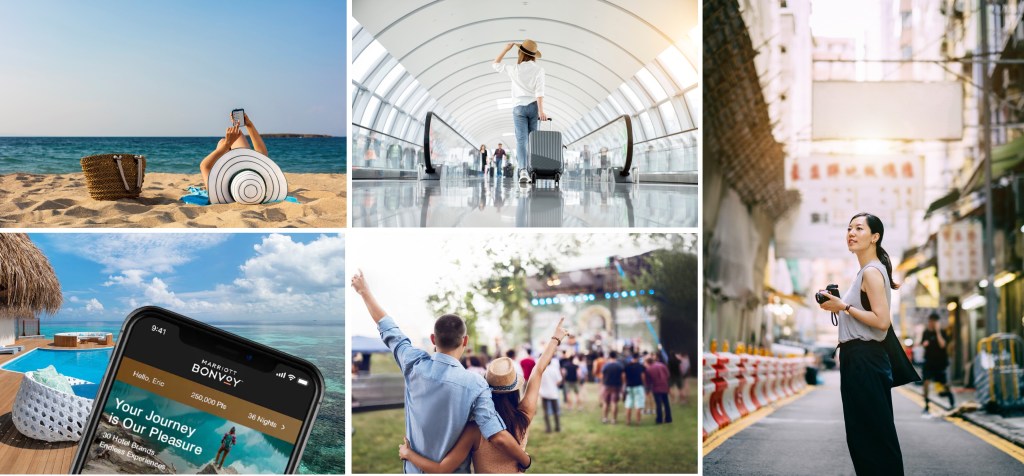
A survey by Marriott Bonvoy, the award-winning travel program of Marriott International, has found that a majority of Gen Zs and Millennials in Asia Pacific excluding China (APEC) prefer the simplicity of belonging to one comprehensive loyalty travel program.
由萬豪酒店集團屢獲殊榮的常旅客計畫─ 萬豪旅享家所進行的一項民調發現,除中國以外的亞太地區(APEC) 大多數的Z 世代和千禧世代更偏好單純地加入一個全面性的忠誠常旅客計劃。
While 60% of APEC Gen Zs and Millennials are actively subscribed to loyalty programs, the challenge of juggling several loyalty programs has led most (57%) to seek out one program that meets all their travel needs. Marriott Bonvoy carried out the survey of 1,000 respondents across ten markets in APEC to better understand the shifting attitudes of Millennials and Gen Zs and their travel behaviors. The survey identified an emerging generation of travel-focused, value-driven “Savvy Explorers" in APEC who seek to maximize their travel dollars and unique travel experiences.
雖然60%的亞太區Z世代和千禧世代會主動加入忠誠會員計劃,但同時應付數個酒店集團會員制的挑戰導致大多數人(57%) 轉而尋求一個能夠滿足其所有旅行需求的忠誠會員計劃。 萬豪旅享家針對亞太區10個旅遊市場的1,000名受訪者進行了調查,以更清楚了解千禧世代和 Z 世代的態度轉變及其旅遊行為。 該調查發現了亞太區的一個新興世代是以旅遊為中心、以價值為導向的「精明的探索者」,他們尋求將旅遊預算發揮最大效益以及獨特的旅行體驗。
Travel in 2024 is a priority for Gen Zs and Millennials: 73% report their intentions to take at least two trips in the next 12 months and 91% plan to spend the same, if not more, on their trips compared to the year before. Travel is viewed as an essential lifestyle component, and most are willing to reduce everyday spending on dining out (60%), shopping sprees (57%) and their daily coffee (54%) so as to spend more on a holiday.
在2024年從事旅遊是Z 世代和千禧世代的首要任務:73% 的人表示他們打算在未來12 個月內至少進行兩次旅行,91%的人計劃與前一年相比,在旅行上花費相同甚至更多的預算。 旅行被視為一項不可或缺的生活方式要素,大多數人願意減少日常外出用餐(60%)、瘋狂購物(57%)和日常咖啡(54%)的支出,以便在假期中花更多的錢。
“Survey results suggest that Gen Zs and Millennials in APEC are purposefully strategizing how they can channel value from their everyday spend toward rewarding travel experiences. They also prefer to be part of only one all-encompassing loyalty travel program which fulfills their needs. To this end, Marriott Bonvoy – which gives members access to over 30 brands in 10,000 destinations — is well positioned to deliver greater value and unlock more experiences for Gen Zs and Millennials,” says John Toomey, Marriott International’s Chief Sales and Marketing Officer, Asia Pacific excluding China.
萬豪集團亞太區(不含中國)行銷長John Toomey表示:「民調結果顯示,亞太區的Z世代和千禧世代正在有目的地制定策略,如何將日常支出的價值導向為值得的旅行體驗。 他們也更願意只參加一項能夠滿足其需求的全方位忠誠度旅行計劃。 為此,提供全球會員入住萬個旅遊目的地的30 多個酒店品牌據點之萬豪旅享家忠誠會員制就非常能契入Z 世代和千禧一代的需求,為他們提供更大的價值同時彰顯更多的體驗。
“As testament to the program’s appeal, we have seen Marriott Bonvoy’s membership base in APEC grow by more than 50% since 2019. What’s more encouraging is that our members are highly active. They earned 40% more points in 2023 compared to 2022, and are putting their points to good use, with points redemptions increasing by more than 55% in the same period,” he reveals.
Toomey 接著表示:「自 2019年以來,萬豪旅享家在亞太區的會員數量增加了 50% 以上,證明了該計劃的吸引力。更令人感到鼓舞的是,我們的會員活躍程度相當高。 與 2022年相比,會員們在 2023年所獲得的點數增加了 40%,並且充分運用點數,因同期點數兌換量增加了 55% 以上。」
The trend of greater member growth and activity extends to the Marriott Bonvoy app. APEC member enrolment via digital channels grew by more than 25%, with mobile app downloads and active users more than doubling in 2023 compared to pre-pandemic levels.
會員數成長以及會員活躍程度增加的趨勢也擴展影響到萬豪旅享家手機應用程式。 透過數位管道註冊的亞太地區會員增長了 25%以上,因手機應用程式下載量和有效用戶數在2023年比新冠肺炎大流行前的水平超過二倍。
The regional survey also uncovered notable trends amongst Gen Zs and Millennials across the 10 APEC countries. Market-specific trends can be found in Annex A.
這份區域民調也揭示了 10 個亞太地區國家的 Z世代和千禧世代值得注意的趨勢。 特定市場的趨勢請參見附錄 A 。
Travel value unlocked through everyday spend
透過日常消費的轉移以全面體驗旅行的價值
Savvy Explorers take considered steps to unlock travel value through everyday spend. Leveraging on their familiarity with loyalty programs, APEC’s Gen Z and Millennials employ varied tactics to maximize their travel rewards: four in five say they have gone out of their way to use a travel-linked credit card for everyday purchases, and 67% actively use a travel loyalty program to book and redeem local experiences and staycations.
精明的探索者會採取深思熟慮的步驟,透過日常消費的轉移以全面體驗旅行的價值。 亞太區的Z世代和千禧世代憑藉著對忠誠會員計劃的熟悉,採用各種策略來最大化他們的旅遊回饋與獎勵:五分之四的人表示他們在日常購物中不遺餘力地使用與旅行相關的信用卡,67 %的人則積極使用能夠預訂和兌換當地體驗和宅度假的旅遊忠誠會員制。
This trend is supported by usage behaviors of Marriott Bonvoy members in APEC. They accumulated points from stays across more than 8,800 Marriott International properties globally, and through everyday spend. Redemption for hotel stays in 2023 registered a 130% increase compared to pre-pandemic times, accounting for the majority of redemptions, followed by points-to-miles conversions on partner airlines.
亞太區萬豪旅享家會員的使用行為也印證了這個趨勢。 這些會員透過在全球超過8,800家萬豪集團旗下酒店的住宿以及日常消費來累積會員點數。 若與新冠肺炎大流行前相比,2023年點數兌換酒店住宿的數量增加了 130%,佔了兌換量的大部分,其次是將會員點數兌換成合作的航空公司之哩程數。
Hotels become a key destination to explore
酒店成為探索的主要目的地
Hotel experience is key to winning the hearts and dollars of the Gen Z and Millennial segment, with 99% of respondents believing their hotel choice can make or break their holiday. Hotels are also increasingly viewed as a key destination for exploration, going beyond the role of ‘accommodation’. Nearly four in five respondents expect their hotel to provide curated local programming and experiences, whilst 84% prefer to stay at a hotel with designs and activities reflective of its destination.
旅館體驗是贏得 Z 世代和千禧世代客群的青睞和旅遊預算的關鍵,99%的受訪者認為,他們的假期成敗取決於旅館的選擇。 同時,旅館酒店越來越被視為旅行探索的重要目的地,而不僅僅是「住宿」的角色。 近五分之四的受訪者期望他們的旅館能提供精心規劃的當地活動和體驗,而 84%的受訪者則偏好入住能反映目的地的設計與活動之旅館酒店。
The recent debut of Moxy Hotels – noted for its hallmark playful nature, innovative design and contemporary amenities – in key APEC markets exemplifies Marriott International’s commitment to continuously bring new hospitality experiences to the region.
Moxy 酒店以其標誌性的俏皮本質、創新設計和現代的服務設施而聞名,最近在亞太區主要市場首次亮相*,體現了萬豪國際集團不斷為該地區帶來全新酒店體驗的承諾。
*筆者按: 亞太區(不含大中華區)首間Moxy酒店是2017年開幕的萬隆Moxy酒店(Moxy Hotel Bandung)。
Despite a desire to maximize their travel budgets where they can, their hotel is one area that APEC’s Gen Z and Millennials are willing to invest extra travel dollars towards. Top motivations for new-generation travelers to splurge include the hotel’s room offerings (48%) and location (42%). Whilst amenities remain key considerations, these guests value a seamless travel experience, with mobile-first customer service (61%), reliable WiFi (68%) and flexible check-out (64%) outpacing traditional benefits like lounge access (42%).
儘管亞太區 Z 世代和千禧世代心裡想的是儘可能增加旅行預算,但實際上他們在住宿方面是願意投入多一點旅行預算於其中。 對於新世代的旅客來說,能促使他們捨得花費的首要動機包括旅館客房的設施與服務(48%)和旅館的地理位置(42%)。 即使便利的設施服務仍然是關鍵考慮因素,但這族群的旅客更重視無縫的旅行體驗,比方便於使用行動裝置的客戶服務(61%)、可靠穩定的無線上網服務 (68%) 和靈活的退房手續(64%) ,並超越像是行政貴賓廳(酒廊)使用權(42%) 等傳統福利。
Destination ‘dupes’ fuel intra-regional travel demand
偽旅遊目的地刺激區域內部的旅遊需求
International travel has returned but APEC’s Gen Z and Millennials remain committed to destinations closer to home. While iconic holiday locations like the Swiss Alps and Bora Bora maintain their appeal, 55% are opting for destinations within the region that provide a similar experience. These so-called “destination dupes” are fast gaining traction amongst this segment because they allow Gen Zs and Millennials to stretch their travel expenses (69%), discover something new (63%) and are easily accessible (62%).
國際旅行已經回歸,然而亞太區的 Z世代和千禧世代仍然致力於前往離家較近的目的地。 雖然瑞士的阿爾卑斯山和玻利尼西亞群島的波拉波拉島等標誌性度假勝地依舊具有吸引力,但 55% 的受訪者選擇了亞太區內能提供類似體驗的目的地。 這些所謂的「偽目的地」在這一族群中迅速獲得關注,因為它們可以讓 Z 世代和千禧世代節省旅行費用 (69%)、發現新事物 (63%) 並且交通便利 (62%)。
As a reflection of robust intra-regional travel demand in 2023, Marriott International saw over 60% of bookings in APEC coming from within the region.
萬豪酒店集團在亞太區(不含中國區)的訂房中超過 60%來自該區域以內,這反映出 2023年區域內旅行需求的強勁。
Corporate backpackers on the rise
企業背包客呈上升趨勢
Gen Zs and Millennials are also taking bleisure travel up a notch by capitalizing on the opportunity of a business trip to embark on multi-destination tours. In addition to extending their travel plans (68%), 84% plan to explore nearby cities and countries as part of their post-work itinerary.
Z 世代和千禧世代也利用商務旅行之機會進行多目的地的旅行,將商務休閒旅行提升了一個層次。 除了延長旅行計劃 (68%) 外,84%的受訪者還計劃探索鄰近的城市與國家作為工作後行程的一部分。
With more than 560 properties across 24 brands in 22 countries and territories in APEC to choose from, Marriott International offers customers a myriad of options to mix work with pleasure.
Off-peak travel maximizes destination experience
淡季旅遊可最大化目的地體驗
Gen Zs and Millennials are also carefully planning when to travel to maximize their trip experience. The majority (71%) of Gen Z and Millennials say they would opt to travel during off-peak seasons so as to beat the crowds and get more out of their trip. 67% feel they can do more during low-peak seasons, and 77% leave their holidays feeling more relaxed and rejuvenated.
Z 世代和千禧世代也會仔細規劃出遊的時間點以最大化他們的旅行體驗。 大多數(71%)的 Z 世代和千禧世代表示,他們會選擇在淡季出行,以避開擁擠的人群,並從旅行中獲得更多收穫。 67%的受訪者則認為他們可以在淡季做更多的旅遊規劃,至於77%的受訪者表示他們在假期結束後感到更加放鬆和充滿活力。
Where Marriott Bonvoy Can Take You
萬豪旅享家可以帶您去哪裡
萬豪酒店集團在亞太區22個國家及地區擁有 24個品牌、超過 560家酒店可供選擇,為顧客提供多種工作與娛樂相結合的選擇。
Marriott Bonvoy allows members to earn when they stay or spend at Marriott International’s growing portfolio of over 30 extraordinary brands across 139 countries and territories, and in over 8,800 properties. In APEC, members can benefit from the program’s key strategic partnerships with Singapore Airlines and co-branded credits cards in Japan, Korea and India. With Marriott Bonvoy Moments, members can get access to once-in-lifetime experiences such the opportunity to get closer to the action with the Mercedes-AMG PETRONAS Formula One Team at the Singapore Grand Prix.
萬豪旅享家會員制能讓會員們在萬豪酒店集團旗下30多個品牌,位於139 個國家和地區、超過 8,800家酒店住宿或消費時賺取點數、合格房晚及獎勵。 在亞太區,會員們可以受益於該會員計劃的重要策略夥伴關係,像是新加坡航空以及在日本、韓國和印度所發行的聯名信用卡。 透過萬豪旅享家專屬時刻,會員們可以獲得千載難逢的體驗機會,例如在新加坡一級方程賽車的活動中近距離接觸 Mercedes-AMG PETRONAS車隊。
Note to Editor (編者註)
Findings are from a commissioned survey by Marriott International conducted in April 2024 on 1000 Gen Z (18 – 24 years old) and Millennials (25 – 41 years old) based in Japan, Korea, India, Australia, Singapore, Indonesia, Thailand, Malaysia, Vietnam and the Philippines, who would budget for their own travels.
民調結果來自萬豪酒店集團於2024年4 月針對在日本、韓國、印度、澳洲、新加坡、印尼、泰國、馬來西亞、越南和菲律賓的1000名能為個人旅行規劃預算之Z世代(18 – 24歲)和千禧世代(25 – 41歲)所進行的民調。
The term ‘Savvy Explorers’ refers to Gen Z and millennial travelers who continue to prioritize travel as a key part of their lifestyle and are always on the lookout for ways in which they can maximize and value add to their planned trips through curated accommodations, key experiences and new destinations.
「精明的探索者」一詞意指 Z 世代和千禧世代旅客,他們一直將旅行優先安排為生活方式的重要組成部分,並始終想透過精心策劃的住宿、重要的旅遊體驗以及造訪未曾去過的旅遊目的地等方式,將自己所規劃的旅遊行程放大其效益和附加價值。
Refer to Annex A for additional data on the preferences of new generation travelers across the APEC region.
關於亞太區新世代旅人的偏好之更多數據,請參閱附件 A。
Annex A: 10 Fun Facts About New-generation Travelers Across the APEC Region
附件 A:關於亞太區新世代旅人10個有意思的事實與現象
● Most likely to sacrifice dining out for a holiday are Australian (76%), Japanese (74%) and Indonesian (68%) travelers. Despite their renown for culinary diversity, majority would prefer to reduce eating out over giving up other everyday luxuries like monthly subscriptions.
最易於犧牲外出用餐預算轉作假期旅遊用途的是澳洲 (76%)、日本(74%) 和印尼 (68%) 的旅客。 儘管這些旅客的所在地(母國)以料理多元而聞名,但大多數人寧願減少外出用餐,也不願放棄每月訂閱制服務等其他日常相對奢侈的花費。
● Most frequent travelers in APEC are Southeast Asia’s Gen Z and Millennials, with over a third planning to take more than three trips in the next 12 months. Indonesian (51%), Thai (39%) and Filipino (34%) travelers set to outpace others within the region.
亞太區最常旅行的客群是東南亞國家的 Z世代和千禧世代,其中超過三分之一的人計劃在未來 12 個月內進行超過 3 次旅行。 印尼 (51%)、泰國 (39%) 和菲律賓 (34%) 的旅客將超過該地區的其他國家。
● Top intra-regional travelers are Japanese (71%), Thai (69%) and South Korean (66%) Gen Z and Millennials who prefer holidaying closer to home. However, bucking the trend are Indian and Filipino travelers, with over 60% opting for faraway destinations.
最常從事區域內旅遊的遊客是日本 (71%)、泰國 (69%) 和韓國 (66%)的 Z世代和千禧世代,因為他們喜歡在離家較近的地方度假。 然而,印度和菲律賓的旅客卻都反向操作,有超過 60%的人選擇了遙遠的目的地。
● Top off-peak travelers are Japanese (87%), Australian (81%) and Singaporean (79%) Millennials and Gen Zs. Interestingly, set to drive the high seasons are Indian travelers, with 58% preferring to travel during peak periods.
選擇淡季出行的旅客最多的是日本(87%)、澳洲(81%)和新加坡(79%) 的千禧世代和 Z 世代。 有趣的是,驅動旺季出行的是印度遊客,因為有58%的印度人更愛在旺季旅行。
● Most discerning when choosing their hotel are Indonesian, Thai and Vietnamese Gen Z and Millennials, with an overwhelming 90% preferring hotel programming and design that are reflective of the local destination and/or are environmentally friendly.
最善於挑選、識別合適的旅館酒店者是印尼、泰國和越南的 Z 世代和千禧世代,其中 90%的受訪者更喜歡反映當地目的地文化和/或環保友善的旅館規劃與設計。
● Top motivators to splurge on travel for Australian, Indonesian and Singaporean Gen Z and Millennials are quality factors such as hotel reputation and location. In contrast, Japanese and Vietnamese travelers place greater weightage on experiences such as in-hotel dining (Japan: 59%, Vietnam: 47%), whilst Thais prioritize hotel aesthetics (41%).
促使澳洲、印尼和新加坡的 Z 世代和千禧世代在旅行肆意花錢的首要動機是旅館的名氣聲譽和所在地點等品質因素。 相較之下,日本和越南的旅客則更重視旅館內用餐等體驗(日本:59%,越南:47%),而泰國旅客則優先考慮旅館的美學設計與規劃(41%)。
● Top countries for business travel include Vietnam (85%), India (81%) and Indonesia (78%). Over 80% are also likely to extend their business trips for leisure (Vietnam: 82%, India: 83%, Indonesia: 80%).
最常從事商務旅行的受訪者國家包括越南(85%)、印度(81%)和印尼(78%)。 同時,超過 80%的受訪者可能延長原本商務旅行的時間以作為個人休閒玩樂之用 (越南:82%、印度:83%、印尼:80%)。
● Most valuable travel benefits to APEC’s Gen Z and Millennials are elevated hotel experiences like complimentary dining, spa and room upgrades. Nearly two in three Indian travelers (67%) were also likely to redeem unique travel experiences, whilst over half of Thai travelers (51%) would prefer to receive exclusive merchandise.
對於亞太區的 Z 世代和千禧世代來說,最有價值的旅行好處是旅館體驗的升級,例如免費招待的餐飲、水療(芳療)服務和客房升等。 有近三分之二的印度旅客(67%)也可能兌換特有的旅遊體驗活動,而超過一半的泰國旅客 (51%)則更願意獲得獨家商品。
About Marriott Bonvoy® 關於萬豪旅享家®
Marriott Bonvoy’s extraordinary portfolio offers renowned hospitality in the most memorable destinations in the world, with 31 brands that are tailored to every type of journey. From The Ritz-Carlton and St. Regis to W Hotels and more, Marriott Bonvoy has more luxury offerings than any other travel program. Members can earn points for stays at hotels and resorts, including all-inclusive resorts and premium home rentals, and through everyday purchases with co-branded credit cards. Members can redeem their points for experiences including future stays, Marriott Bonvoy Moments™, or through partners for luxurious products from Marriott Bonvoy Boutiques. To enroll for free or for more information about Marriott Bonvoy, visit marriottbonvoy.com.
萬豪旅享家的卓越酒店品牌組合在世界上最令人難忘的目的地提供著名的酒店服務,旗下有31個專為各種類型的旅程量身定制的品牌。 從麗思卡爾頓酒店、瑞吉酒店到 W 酒店等,萬豪旅享家所提供的奢華產品與服務比任何其他酒店集團會員制都來得多。 會員可以透過入住酒店和渡假酒店(含全包式渡假酒店和高級住宅租賃)以及使用聯名信用卡進行日常購物來賺取積分。 會員可以用積分兌換未來入住、萬豪旅享家時刻™等體驗,或透過合作夥伴兌換萬豪旅享家精品店的豪華產品。 如需免費註冊會員或了解有關萬豪旅享家的更多資訊,請造訪 marriottbonvoy.com官方網站。
Media Contact
Mabel Lee
Director of Communications
Marriott International, Asia Pacific excluding China
mabel.lee@marriott.com
Kiran Hans
Sr. Manager, Communications
Marriott International, Asia Pacific excluding China
kiran.hans@marriott.com
 派屈克沈的旅館園地