
若要討論頂級客層的習慣與偏好,筆者通常傾向往國際連鎖酒店集團業者,尤其有奢華酒店品牌者,或是國際產業專業媒體以尋求參考資訊與專業分析。旗下擁有6個奢華酒店品牌的萬豪酒店集團(另有7或8個品牌的版本,第7個為寶格麗酒店,第8個為麗思卡爾頓隱世精品),近期針對6個亞太區市場(未含大中華區)的富裕階層旅客進行了民調研究,除了分析出這6個亞太區市場與旅客的偏好與商機外,同時揭示了富裕旅客的3種新客層樣貌。
想吸引頂級富裕客層往往需要相對應的奢華酒店產品提供服務,而在2023年7月的社團聚會時,曾有與會者想了解筆者對於「台灣業者是否有辦法蓋出自己的奢華酒店?」,筆者當時回答:「台灣業者蓋出高端(premium)以下的旅館飯店是沒有問題的,很多人都會蓋,而精品酒店(boutique hotels) 的打造也是同樣可以勝任。但國際級的奢華酒店有其門檻,目前台灣業者還跨不過去。」即使有台灣業主以提早終止合約的罰金「買下該品牌管理方的know-how」,但時移世異,所買下的know-how是否禁得起時間的考驗,也是值得討論,因為基本上已是舊版的內容,加上該品牌管理公司迄今只有9個營運與興建籌備中的據點且多集中在特定地區,而源頭的安縵酒店集團則已有34個全球據點,就算二者常被稱作姐妹品牌,但仍是二個「獨立的個體」。
另外,某些台灣旅館業者所引以為傲的「台灣頂級或高檔服務」,在時空的對照之下,其實在世界其他角落早已行之有年,只是當時的台灣時空背景之「民智普遍未開」、國際間的資訊流通不普及所致。而以現今民眾「出國旅遊如同進自家廚房」的常態,加之以台灣的國際連鎖酒店集團「高卡客」數量不少,「產品鑑別能力」自然是大增不少,較難被愚弄與聽信。
一起來看看萬豪集團對於亞太區(未含大中華區)的研究分析結果。
New Report Reveals Changing Face of Luxury Travel in Asia Pacific
最新的研究報告揭示亞太區奢華旅遊的變化
July 01, 2024 Marriott News Center
The Luxury Group by Marriott International launches extensive research among affluent travelers across six markets (萬豪酒店集團的奢華酒店系列針對六個市場的富裕旅客進行了廣泛的研究)
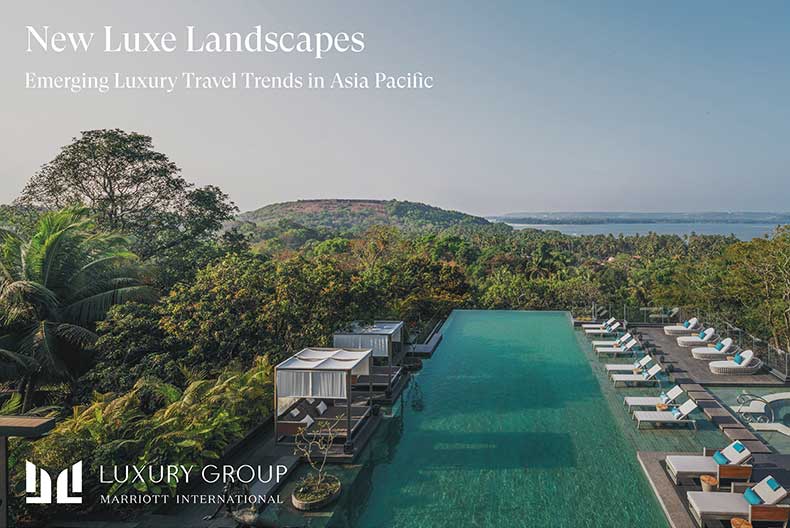
● 68% spending more on leisure travel with 74% respondents planning an intra-regional holiday within Asia-Pacific (APAC)
● Australia is the top destination in next 12 months ahead of Japan, with 46% planning to visit
● Indian HNW are driving luxury travel with 89% Indians planning to spend more in next 12 months
● High end gastronomy is the primary driver for luxury travel with 88% planning holidays around food
● Three new personas of luxury traveler defined
● 68%的受訪者在休閒旅遊上花費更多,其中 74% 的受訪者還計劃在亞太地區 (APAC) 進行區域內度假
● 澳洲領先日本成為未來 12 個月的首選旅遊目的地,46%的受訪者將計劃前往
● 印度的高淨值人士(High-Net-Worth)正在趨動著奢華旅遊,89% 的印度人計劃在未來 12 個月內增加旅遊消費
● 高端美食是奢華旅遊的主要推動力,88%的受訪者計劃以美食為主軸的渡假行程
● 頂級客層的三個新客層樣貌*
**筆者按: Persona是一種普遍運用於創新產品開發過程中,對於目標族群使用者定義的設計工具,也是協助設計師與專案人員對於產品目標使用者所可能使用的情境、狀態進行了解的方法。一種觀察目標客群後拆解出他們共同特性而創建出來的虛擬角色。
As the Asia Pacific region continues to be the growth engine for luxury travel, a new comprehensive report from the Luxury Group by Marriott International has identified new expectations and travel preferences among high-net-worth (HNW) travelers in Asia Pacific. Across the region, 68% are planning to spend more on travel over the next 12 months – 89% among Indians – with 74% planning to travel within Asia Pacific and 88% prioritizing gastronomy as the reason to travel. One in four of all holidays planned (25%) are celebrations. Three distinct new groups of luxury traveler have emerged – the ‘Venture Travelist’ who seeks business opportunities when traveling, ‘Experience Connoisseur’ Millennials who are traveling for enrichment and ‘Timeless Adventurer’, over 65s who are building their own itineraries and exploring places before they become popular.
隨著亞太地區持續成為奢華旅遊的成長引擎,由萬豪酒店集團的奢華酒店系列所做的一份最新綜合報告分析出亞太地區高淨值(HNW)旅客的新期望與旅遊偏好。在亞太區中,68%的受訪者計劃在未來12個月內增加旅行支出(其中 89% 為印度人),其中 74%的人計劃在亞太地區旅行,88%的人則是將美食作為旅行的首要原因。四分之一的計劃假期 (25%) 是以慶祝為目的。三個截然不同的新奢華旅遊客群已經出現—在旅行中尋找商機的「冒險旅行者」、為豐富生活而旅行的千禧世代「體驗鑑賞家」以及「長青冒險家」,即65歲以上的旅客,他們正在製定自己的行程並探索祕境在其變得熱門之前。
“Our New Luxe Landscapes Report provides deeper behavioral insights and motivations into elite travelers from Asia and the Pacific,” says Oriol Montal, Managing Director, Luxury, Asia Pacific (excluding China), Marriott International. “Whether it’s discovering new culinary experiences, traveling with their family or friends, or looking to forge connections with the local community, our research has identified new traveler archetypes, and provides Marriott International with new understandings in catering to this discerning traveler segment.”
萬豪酒店集團亞太區(未含中國)奢華品牌的董事總經理 Oriol Montal 表示:「我們的《新奢華風貌報告》為亞太區的菁英旅行者提供了更深入的行為洞察和動機分析。無論是發現新的美食體驗、與家人或朋友同行,還是尋求與當地社區建立起連結互通,我們的研究都確立了新的旅客原型,並為萬豪酒店集團提供了新的理解角度,以迎合這一具鑑別力的旅行客群。
Deeper Extended Experiences With Their People (奢華客層選擇與親友進行更深入的旅遊體驗)
The research among HNW travelers in Australia, Singapore, South Korea, Japan, Indonesia and India reveals they are traveling frequently with longer holidays especially across the Asia Pacific region. An average of six leisure trips is planned within the next 12 months while 33% of respondents are planning at least seven holidays this year. On average, a short stay comprises three nights while a long stay is two-and-a-half weeks. For many, the kinship and connection within a group enhances the richness of the travel experience, with over 70% choosing to travel with family or friends.
對於澳洲、新加坡、韓國、日本、印尼和印度的富裕旅客所進行的研究顯示,他們尤其在亞太地區經常進行較長期的渡假。這些旅客將在未來 12個月內平均規劃 6次休閒旅遊,而 33%的受訪者則在今年計劃至少 7次渡假行程。平均來說,這客群的短期住宿至少三晚,而長期住宿則為2.5週。對這客群的多數人而言,內團體的情感維繫加強了旅行體驗的豐富性,其中有超過 70%的受訪者選擇與親友同行。
Australia is the destination of choice (46%), above Japan (42%) and Hong Kong, China (27%). 69% of India’s HNW tourists are planning a trip to Australia and it is the top destination of choice for Indonesian, Japanese and Singaporean travelers.
澳洲是亞太區富裕客層的首選目的地(46%),高於日本(42%)和香港(27%)。 69%的印度富裕旅客計劃前往澳洲旅行,而澳洲也是印尼、日本和新加坡遊客的首選目的地。
Increasing Demand in India (印度客源的旅遊需求不斷增加)
The most active and engaged travel market, 89% of Indian HNW say they are planning to spend more on travel. Families and friends are touring together to mark key milestones, attend a private function or event, with 38% planning a trip with friends and 33% making theirs a celebratory trip.
作為最活躍和參與度最高的印度旅遊市場,有89%的印度富裕客層表示,他們計劃花費更多在旅遊上。親友同行旅遊是為了紀念重要的人生大事、參加私人聚會或活動,其中38%的受訪者打算與朋友一起旅行,而33%的人則將旅行作為慶祝之用。
A Fascination for Food (對美食的狂熱)
88% are picking their holiday destination based on discovering a new food or culinary experience. Acutely aware of dining trends, almost half of the respondents (49%) describe a fine dining experience as an ideal night out. Reinforcing this point, 83% will choose a destination to visit an award-winning restaurant and 35% agreed they would spend more on unique culinary experiences. When choosing a hotel, 81% of HNW travelers make their selection based on fine dining options and 83% choose a destination so they can visit a celebrated restaurant.
就此次研究分析顯示,88%的受訪者會為了探索新美食體驗來選擇渡假目的地。近一半的受訪者(49%)深諳餐飲趨勢,表示會將精緻餐飲的體驗做為理想的晚間外出行程。 83%的受訪者會為了獲獎的餐廳而選定旅遊目的地,35%的受訪者同意他們會花費更多錢在獨特的美食體驗。而在選擇入住的旅館時,81%的富裕旅客會根據精緻餐飲的餐廳選項做出對應的旅館列表,至於83%的受訪者則是為了光顧著名的餐廳而選擇旅遊目的地。
New Traveler Personas (新旅行者角色)
With more disposable income for holidays and a growing population of ageing travelers, the research has identified three new categories of affluent travelers. These include:
由於渡假可支配收入的增加和老齡化的旅客數持續成長,本次研究區分出三種新的富裕旅客。這些包括:
i. The ‘Venture Travelist’ (冒險旅行者)
The next-generation Bleisure tourist, the Venture Travelist prioritizes holiday destinations that will generate business opportunities. While they enjoy their vacation with their family and loved ones, they are always on the lookout to secure a deal. Entrepreneurs at heart, they explore a location, shopping for local products and antiques, and looking to forge business connections with members from the local community.
作為新世代的商務休閒旅客,「冒險旅行者」的旅客會優先考慮具備商機的渡假目的地。當他們與親人一起享受假期之際,同時他們也總是在尋求著商業交易與協議。他們本質上是企業家,在探索某個地方、購買當地商品和古董文物時,尋求與當地人或商業組織建立起商務連結。
ii. The ‘Experience Connoisseur’ (體驗鑑賞家)
Predominantly millennials, Experience Connoisseurs plan their leisure travel as an opportunity for personal enrichment. They travel extensively and see the experience as an investment in their mental and physical wellbeing. They want to deeply explore a destination, they value personalization and actively seek exclusive one-of-a-kind experiences.
體驗鑑賞家主要是千禧世代,他們將休閒旅行視為豐富個人經驗的機會。他們頻繁旅行,並將這種經驗視為對身心健康的投資。他們想要深入探索某個目的地,重視個人化服務並積極尋求獨一無二的特殊體驗。
iii. The ‘Timeless Adventurer’ (長青冒險家)
Debunking every stereotype of the over-65 ‘silver set travelers’, Timeless Adventurers are keen explorers who want to immerse themselves in a destination. They’re less interested in tourist attractions and more drawn to what gives the destination a sense of place, what makes it unique and memorable.
長青冒險家打破了對 65歲以上「銀髮族旅客」的刻板印象,他們是熱衷於探索事物的人,想要沉浸融入在旅遊目的地當中。他們對一般的觀光景點較不感興趣,而是更被賦予目的地某種地方感的事物所吸引,而這種賦予地方感的事物是往往是獨特且令人難忘的。
The full report is available to download. (完整報告由此下載)
Note to Editor (編輯附註)
Findings are from a research report commissioned by Marriott International Luxury Group conducted over a period from April 18, 2024, to May 13, 2024, with frequent international travelers who primarily travel for leisure. The study targeted the wealthiest 10% of residents in Australia, Singapore, India, Indonesia, South Korea, and Japan with 200 respondents from each market.
調查結果來自萬豪酒店集團的奢華酒店系列所委託進行的一份研究報告,該研究在2024年4月 18日至2024年5月13日期間進行,調查對象以休閒旅行為主的國際常旅客。該研究針對澳洲、新加坡、印度、印尼、韓國和日本最富有的10%居民,每個市場都各有200名受訪者。
Refer to Annex A for additional data on the preferences of luxury travelers across the APEC region.
有關亞太地區奢華旅客的偏好之更多數據,請參閱附件 A。
ANNEX A: 10 INTRIGUING FACTS ABOUT THE CHANGING FACE OF LUXURY TRAVELERS ACROSS THE APAC REGION (附件 A:有關亞太地區奢華旅客轉變現象的10個有趣事實)
Most engaged travel market is India. 89% of high-net-worth (HNW) Indians are planning to spend more on their leisure travel, looking at six trips over the course of the year, with an average three-four nights for a short trip and two-three weeks for a long holiday.
最活躍的旅遊市場是印度。 89%的高淨值(HNW)印度人規劃花費更多的預算在休閒旅行,一年中會進行6次旅行,其中短期旅行平均為3至4晚,長期渡假則是平均2到3週。
Most self-sufficient travelers are Singaporeans. 61% prefer to travel independently and curate their own itinerary, versus 43% across the region.
最多自助行旅客是新加坡人。 61%的新加坡受訪者喜歡獨立旅行並自行規劃的行程,對比整個亞太區的比例則為43%。
Most pressing social issue is sustainable travel. Mindful of the impact their travel has on the environment, 80% of HNW travelers say a hotel’s sustainability and environmental practices is a consideration when deciding where to stay. 43% want to see hotel restaurants offering locally-sourced food products and a further 35% expect to see effective management of food waste.
最迫切的社會議題是永續旅行。考慮到旅行對於環境的影響,80%的富裕旅客表示,在決定下榻地點時,旅館酒店在可持續性與環保面向的實踐是一個考慮因素。 43%的受訪者希望看到酒店的館內餐廳提供來自於當地的食品食材,其中35%的受訪者更希望看到業者對於食物浪費進行有效的管理。
Most likely to holiday longer are Australians. With Australians entitled to a minimum of four weeks annual leave, it’s not surprising they take the longest holidays with 73% planning a minimum two-week getaway and 33% taking over three weeks. Similarly, a third of Indonesians expect their trips will extend beyond three weeks.
最有可能延長渡假時間的是澳洲人。由於澳洲人有權利擁有至少四週的年假,因此他們休長假也就不足為奇了,73%的澳洲人計劃至少休假二週,33%的人則是計劃超過三週的休假。同樣地,三分之一的印尼人預期他們的旅遊時間將超過三週。
Most important factor in a luxury experience is a sense of security. Most respondents (91%) say a safe environment is more important than exceptional service (41%), engaging in an exclusive experience (36%) or having a truly personalized experience (33%).
奢華體驗中最重要的因素是安全感。大多數受訪者(91%)表示,安全的環境比卓越的服務(41%)、專屬的體驗(36%)或真正的個人化體驗(33%)更為重要。
Best reason to shop overseas is to purchase locally made products. For HNW individuals, shopping is a key driver to travel and 85% of respondents say access to locally-made products is a key consideration when deciding where to travel.
海外購物的最佳理由是購買當地製造的產品。對於富裕人士來說,購物是一項旅行的關鍵驅動力,85%的受訪者表示,能購得當地製造的產品是決定去哪裡旅行時的關鍵考慮因素之一。
Most likely to stay within their hotel are South Korean travelers. 54% of travelers surveyed would rather spend time at their hotel or resort rather than exploring local attractions or engaging with the locals.
最有可能待在旅館酒店不出門的是韓國遊客。 54%的受訪者寧願待在酒店或渡假酒店裡度過他們的旅遊時光,也不願探索當地景點或與當地人互動接觸。
Most favored cuisine is authentic local dishes, with over 62% preferring to explore unfamiliar local flavors over food from home.
最愛的美食是正宗的當地菜餚,超過62%的受訪者更喜歡探索不熟悉的在地風味,而非家鄉的食物。
Top mark of a luxury holiday is discovering a new destination, with 78% regarding it as important or very important.
奢華假期的最高指標是探索新的旅遊目的地,78%的受訪者認為它是重要或非常重要的。
Most valued luxury experience is an immersive and refined sense of space, with 80% defining luxury travel as being surrounded by refined craftsmanship and exquisite design.
最有價值的奢華體驗是沉浸式、精緻的空間感,80%的受訪者將奢華旅遊定義為被精緻的工藝和精美的設計所包圍之體驗。
ABOUT MARRIOTT INTERNATIONAL
Marriott International, Inc. (Nasdaq: MAR) is based in Bethesda, Maryland, USA, and encompasses a portfolio of nearly 8,900 properties across more than 30 leading brands in 141 countries and territories. Marriott operates and franchises hotels and licenses vacation ownership resorts all around the world. The company offers Marriott Bonvoy®, its highly awarded travel program. For more information, please visit our website at www.marriott.com. In addition, connect with us on Facebook and @MarriottIntl on X and Instagram.
MEDIA CONTACT
Joanna Huang
Director, Luxury PR & Communications Marriott International
joanna.huang2@marriott.com
 派屈克沈的旅館園地