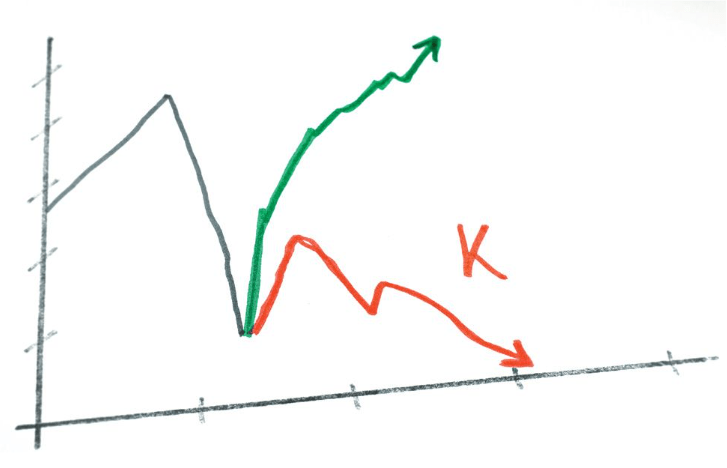
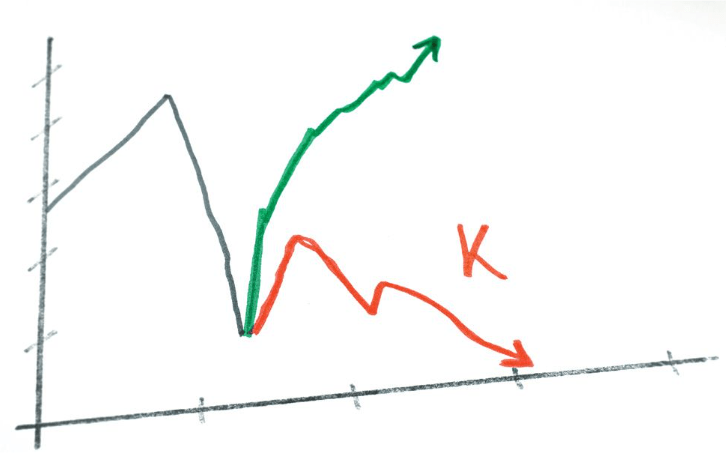
當世界已從「M型化社會 (M-Form Society)」抖然一變成為「K型經濟(K-shaped Economy)」,原本需要較長時間、漸進式的社會演變所導致「中產階級逐漸縮小和消失,並失去社會構成主體的地位,大多數中產階級逐漸淪為低收入群體」的社會現象,在歷經全球大巨變後,比如新冠肺炎全球大流行、劃時代的AI 科技蓬勃發展等,同個國家的不同產業,開始走向不同發展趨勢,部分產業持續往上走,但其他產業卻反而向下滑,光鮮亮麗的經濟成長同時,也有工廠正在裁員、多數企業公司的薪資成長放緩。如同網路媒體的財經編輯部所做出的評論:「…M型化告訴你『中間的位子沒了』,而 K型化則是殘酷地提醒你『如果你選錯賽道、沒跟上轉型,你跟別人的差距會在一兩年內變成天與地的距離』。這種『速度感』的落差,正是現在大家焦慮的主因。…」*
*筆者按01:公視新聞網《美國掀「K型經濟」討論潮 台灣也是典型案例?》
*筆者按02:工商時報社論《正視K型經濟下的政經現實》
*筆者按03:Yahoo財經編輯室《7成上班族領不到平均薪資!2026台灣陷「K型經濟」泥淖?為何GDP創15年新高,你卻體感貧窮?》
如此的大環境鉅變,顯化著「2018年至2026年天王星進駐金牛座,2026年4月26日開始進駐雙子座」的指引以及影響力,讓對於西洋占星學有所接觸的人不禁感嘆「時代變革的大劇本已定,個人與整體社會的因應之道與選擇至關重要」,「向上提昇 vs 向下沉淪」關乎一念之間。至於政府的角色則應為「全民」的政府,而非只為「社會上層」服務,應帶有《論語 ‧ 季氏篇》「不患寡而患不均,不患貧而患不安」的觀念,那意指「相對剝奪感對社會的破壞力往往大於絕對貧窮。如果大眾資源匱乏但分配公平,社會仍能維持穩定;反之,若資源充裕但分配極度不公、階級對立,則容易引發民怨與動盪。」,並以此積極作為。
若將「K型經濟」模式套用、運用在旅館產業中,本篇原文作者將其比喻為「酒店產品的分化走向」,這與各經濟層級的旅客在酒店產業的消費趨勢、佔比以及現今的開發成本有所關聯。本文主角「中端與中高端酒店(midscale & upper-midscale hotels)」被預測會如同人類中產階級的社會演進,產生「被M型化」、「被K型化」的危機,為求防範於未然,該層級酒店的業者應意識到既有的產品優勢並徹底執行。
對於採取「全品牌」商業策略的國際連鎖酒店集團來說,面對如此「由M至K」的大趨勢,部份過往「相對高高在上」的酒店集團為求收益最大化、「天下之財盡歸我有」,也積極發展經濟型酒店產品,不論是產品研發與全球佈局,至於曾被國際同業認為「奢華產品(佔比)不足」的酒店集團們,近年來也逐步強化自身的奢華產品組成與內涵,推出更多特色服務乃至於持續擴張。而對於眾多國際酒店集團與獨立自營酒店業者都有涉獵的中階酒店產品,除了持續優化產品特色外,日常營運也應達成顧客對於中階與中高階酒店品牌的基本預期標準,並進而讓顧客有「超乎期待」的體驗感受。一起來看看中高階酒店在K型經濟大環境下的生存之道。
How upper-midscale hotels can win in a K‑shaped economy
中高級(超中級)酒店如何在K型經濟中取得成功
February 18, 2026 Hotelsmag.com by Guest Contributor – Travis Burns*
*筆者按: Mr. Travis Burns為第三方酒店管理顧問公司 Remington Hospitality的 EVP of development
“K-shaped” is the industry buzzword of the moment in the hospitality industry. Luxury and upper‑upscale assets are pulling ahead; everyone else is fighting for what’s left.
「K型經濟」是目前旅館業界的熱門詞彙。當奢華和高端型酒店遙遙領先、發展顯著;其他級別的酒店則在爭奪剩餘的市場份額。
How can you succeed when you’re on the kickstand of a K-shaped market? Start by not assuming divergence is a disadvantage. Upper‑midscale is still uniquely positioned to capture the largest, most durable segments of travel demand—if owners and operators pull the right levers.
在K型市場中,中高級酒店(upper-midscale hotels)要如何才能成功?首先,不要把這上下分化視為劣勢。如果酒店業主和營運商能夠採取最適切的策略,以最小的力量達成最大的成效,中高端市場仍然具備特有的優勢,可以佔據最大、最穩定的旅遊需求之市場區塊。
The opportunity isn’t to chase luxury; it’s to lean into what upper midscale does best: value clarity, cost discipline, operational precision. This is where the segment consistently outperforms all others. When it’s done right.
中高級酒店的契機不在於追求奢華、跟隨奢華酒店的腳步,而是積極回應趨勢、發揮自身的長處:價值定位清楚、成本控管和營運有條不紊。正是這些優勢讓中高端酒店的績效表現始終超越其他級別酒店。不過,前提是它必須「做到位」。
Winners and Everyone Else (要當贏家還是「其餘人」)
The upper‑midscale segment is having its own K-shaped moment:
- Well‑run, renovation‑forward, consistent brands are outperforming the comp set and the margin is growing.
- Under‑invested assets with dated rooms, lagging service scores and unclear positioning are getting squeezed from both ends.
中高端酒店市場正經歷著屬於自己的K型波動:
- 營運良好、積極進行翻新改裝且服務穩定一致的品牌業者正在超越競爭對手,利潤率也不斷增長。
- 投資不足、客房陳舊、服務評價不佳、市場定位不明的旅館業者正持續面臨著來自大環境與同業競爭者的進逼。
The widening gap isn’t driven by rate ceilings; it’s driven by execution. Guests aren’t suddenly waking up with a burning desire for marble bathrooms and chandelier lighting. They’re trading up because too many upper-midscale properties have allowed dated rooms, lagging scores and “good enough” operations to become normal. If guests can’t trust your basics, they’ll pay more for someone else’s.
這持續擴大的差距並非來自於中高端酒店的價格上限,而是源自於中高端酒店應有服務的「到位」程度。客人並非突然渴望擁有以大理石舖設的浴室以及光彩眩目的水晶吊燈,而是因為太多中高端酒店放任陳舊的客房、低迷的旅客評分和「差不多就行」的服務成為常態,才促使他們選擇更高檔的酒店入住。如果客人無法信任酒店的基本服務,他們就會選擇其他價格更高的酒店。
If you close the trust gap, you win the value‑seeking traveler who isn’t rate sensitive— they’re just inconsistent sensitive.
如果你能彌補這種信任差距,你就能贏得那些對價格不敏感、追求住宿品質的旅客 ─ 因為他們只是對於不穩定的酒店服務特別敏感。
The New Battleground (K型經濟下的新戰場)
Upper midscale wins the moment a guest walks into a room and thinks: “Oh, this is nicer than expected.” It’s a reaction that fuels loyalty and generates repeat business. Achieving it requires eliminating friction, not adding flair.
中高端酒店的成功之處在於,當客人走進房間,心想:「哇,這比我預期的還要好。」這種顧客反應能夠增強顧客忠誠度,並帶來回頭客。而要做到這一點,關鍵在於消除業者與顧客之間的認知歧異與差距,而不是堆砌噱頭。
Guests don’t want complexity; they want reliability: a warm welcome, an impeccably clean room, a predictable breakfast, fast Wi‑Fi, a gym that doesn’t feel like an afterthought. These are small things with oversized impact, and they cost far less than avant-garde art installations.
入住中高端酒店的旅客不想要繁複的服務,他們想要的是信賴度:熱情周到的接待、一塵不染的客房、穩定的早餐、快速的無線網路、以及設施齊全且不顯得敷衍的健身房。這些看似不起眼的小事,卻能帶來巨大的影響,而且成本遠低於前衛的裝置藝術。
Here are a few tips to help get there:
- PIP with purpose, not excess. Fix the pain points that matter: flooring, lighting, showers, charging access and mattresses. These aren’t frills; they’re the basics that signal trust.
- Align with a brand that enhances value. A flag offers distribution, but the property is what delivers the experience. With many upper‑midscale brands offering optional bars, enhanced gyms or upgraded public and outdoor spaces, the opportunity to quietly outperform expectations has never been greater.
- Be lean. Be smart. Operating models are a competitive weapon. Luxury hotels are doubling down on labor‑heavy service models. Upper midscale wins by being clever, not crowded.
以下是一些有助於達成目標的建議:
- PIP(Performance Improvement Plan,績效改善計劃) 要務實,而非過度。解決真正重要的痛點:地板、照明、淋浴、充電設施和床墊。這些項目並非錦上添花,而是體現顧客信任的基本要素。
- 與能提升物業價值的酒店品牌合作。(國際)酒店品牌雖然能提供業務分銷管道,但真正帶來顧客體驗的是酒店本身。如今,許多國際中高端酒店品牌都能為業主提供可加選配置的酒吧、升級的健身房或進階改造後的公共及戶外空間,因此,悄悄超越旅客預望的機會前所未有。
- 精實又巧妙的營運規劃。營運模式是競爭的利器。奢華酒店正加倍仰賴勞力密集型的服務模式。相對地,中高端酒店的成功之道在於靈活運用人力,而非祭出人海戰術。
Winning operators focus on:
- Labor models built around forecasting, not habits
Housekeeping optimization and occupancy‑aligned scheduling are still two of the most powerful margin levers in the segment. - Cross‑training as a strategic advantage*
Not every hotel needs more people, it needs more versatile people. Night auditors tossing in laundry loads or breakfast attendants helping at the desk during checkout isn’t cutting corners: it’s designing a team that stays fluid when demand shifts. It builds resilience, reduces bottlenecks and boosts morale. - Simplifying F&B
A consistent, well‑executed breakfast beats a complicated concept executed poorly. Every. Single. Time.
成功的中高端酒店營運者專注於:
- 基於預估數據而非習慣(慣性)的人力安排模式
客房清潔程序優化和與依據住房狀況的排班仍然是該領域最有效益的人力成本運用方法之二。 - 將跨部門訓練作為一項策略優勢*
並非每家酒店都需要更多的人手,而是需要更多具備多功能的員工。夜間稽核人員兼任洗衣工作,或者是早餐服務人員在退房時段於前檯接待處協助結帳以外的工作,這並非偷工減料、一時應急,而是打造一支能夠靈活因應需求變化的團隊。這可以建立工作團隊的韌性,減少工作流程的瓶頸,並提升員工士氣。 - 餐飲服務化繁為簡
一份品質穩定、執行徹底的早餐勝過一個設計繁瑣但執行與呈現不佳的早餐。每一次都是如此。
*筆者按01:第二點的建議務必考量酒店各層面的實際狀況來規劃及執行,文中的例子僅供參考。「多功」能力的員工雖好,但有時過多、頻繁的支援與兼任會帶來人力召募與員工流動率的「反噬」、被扣上「壓榨員工」的帽子,不小心就會「賠了夫人又折兵」,因而作者在下一段補充說明。
*筆者按02:「瓶頸(Bottleneck)」一詞依據安瑟企管公司創辦人曾渙釗所編著的《供應鏈及企業資源管理ERM大辭典》是指在一連串相互依存的作業流程當中,某一個作業人員、機台、工作站、功能、部門、廠房、或資源,它的產能低於當時的需求,而造成工作緩慢、等待處理的工作堆積、未能及時供應下一流程或客戶所需的訂單等問題。另可參考工作管理平台Asana 針對專案管理的瓶頸所做的說明與分析。
The goal isn’t to overload staff; it’s to build a team that can keep the operation moving when volume shifts unexpectedly. This is where owners win: upper midscale creates margin through precision, not by cutting to the bone.
上述建議的目標並非增加員工負擔,而是打造一支能夠在業務量意外波動時仍能維持營運的團隊。這正是酒店業主獲勝的關鍵:中高端酒店透過精準營運而非削減成本來創造利潤。
At Its Best (維持最佳狀態)
Luxury differentiates through experience and economy with price, but upper-midscale hotels win with trust.
奢華酒店憑藉著顧客體驗做出差異化,經濟型酒店則是靠價格取勝,中高端酒店就要以顧客信任來贏得市場份額。
Guests don’t expect a rooftop restaurant or spa experience, but they absolutely expect:
- A clean, modern room
- Friendly, efficient service
- Amenities that work
- Spaces that feel intentional
- A rate that feels justified
客人不會期待中高端酒店配置高空餐廳或者提供水(芳)療體驗,但他們絕對期待:
- 乾淨、具現代設計感的客房
- 友善、高效率的服務
- 館內設施與裝置能正常運作
- 精心設計的空間
- 物有所值的(合理的)價格
When the stay is predictable, the rate is defensible. Consistency has become the competitive edge.
當入住體驗可預期時,房價就具有競爭力。穩定一致性已成為競爭優勢。
Upper midscale loses when it tries to be something it’s not. It wins when it is unapologetically clear about what it offers: a clean, modern, efficient stay that respects the guest’s time and wallet.
中高端酒店如果試圖扮演自己不擅長的角色,就會失敗。若能自信明確地展現自身特點,提供乾淨、現代化、高效的住宿體驗,尊重客人的時間和預算,就能獲得成功。
Luxury buyers are trading up for indulgence; Upper‑midscale buyers are trading up for dependability. And in a K‑shaped economy, dependability becomes its own form of luxury.
奢華酒店的顧客追求的是極致享受;中高端酒店的顧客則是追求可靠性。而在K型經濟中,可靠性本身也成為了一種奢侈品。
Bottom Line (結論)
The upper-midscale segment isn’t the “middle ground.” It’s the value engine of the industry. To outperform in a K‑shaped world:
- Invest where it matters most
- Deliver service that’s simple, fast and friendly
- Operate with intention, not inertia
- Price with confidence
- Be consistent
中高端酒店市場並非「不上不下的中間地帶」,而是旅館業的價值引擎。想要在K型市場中脫穎而出:
- 把錢花在刀口上
- 提供簡單、快速、友善的服務
- 營運要有目標,而非墨守成規
- 訂價要有自信
- 保持穩定一致性
Luxury wins by over-delivering on experiences. Upper midscale wins by over-delivering on expectations.
奢華酒店以提供倍受寵愛的體驗而取勝。中高端酒店則是靠超乎顧客的預期而勝券在握。

